Judge halts aboveground White House ballroom, allows security work

Judge halts aboveground White House ballroom, allows security work
Federal judge extends pause on White House ballroom above-ground work, permitting only below-ground security facilities as questions surround national-security claims.
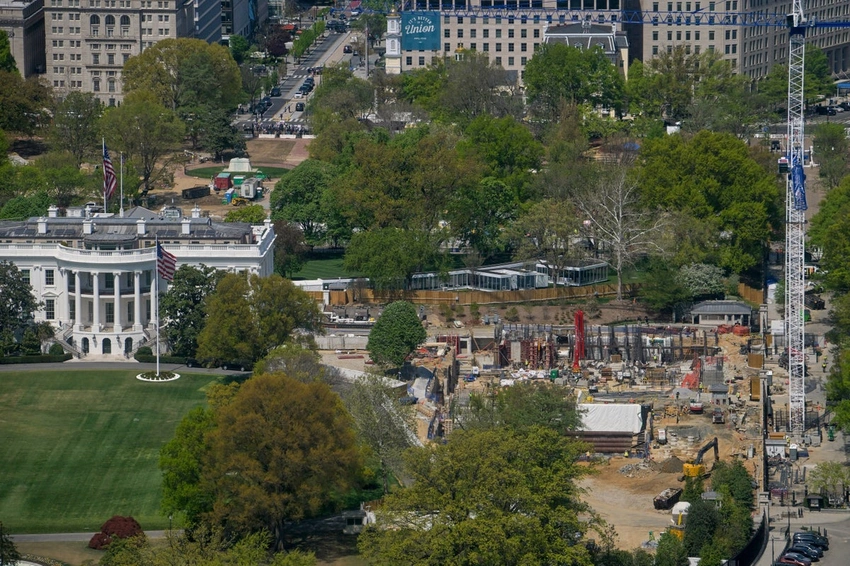
A federal judge has again paused the above-ground construction of the White House ballroom project, stating that the administration can proceed with limited below-ground work tied to security facilities. The ruling marks a renewed check on how far the expansive $400 million plan can advance while legal questions linger about the basis for such work. The judge also criticized the administration’s legal team, describing some arguments as disingenuous as the case unfolds.
Under the latest decision, work below ground—such as a bunker and other facilities connected to national security—may continue at the site, while the above-ground portions must remain halted. The distinction emphasizes how security considerations are shaping the scope of the project and the legal boundaries involved in proceeding with construction tied to presidential facilities.
This latest order follows prior actions that placed holds on portions of the project and clarifies that a specific exception for security-related features does not broadly cover most of the above-ground construction. The ongoing disputes highlight the broader debate over how national-security justifications are weighed against other legal and political factors in such high-profile government projects.
With the injunction staying in place on the visible structure, contractors and officials will need to adapt timelines, focusing on the secured, below-ground components while awaiting further judicial guidance on any future expansion or modification to the security-related portions of the plan.
