Airspace empties as Hormuz tensions surge, oil markets on edge

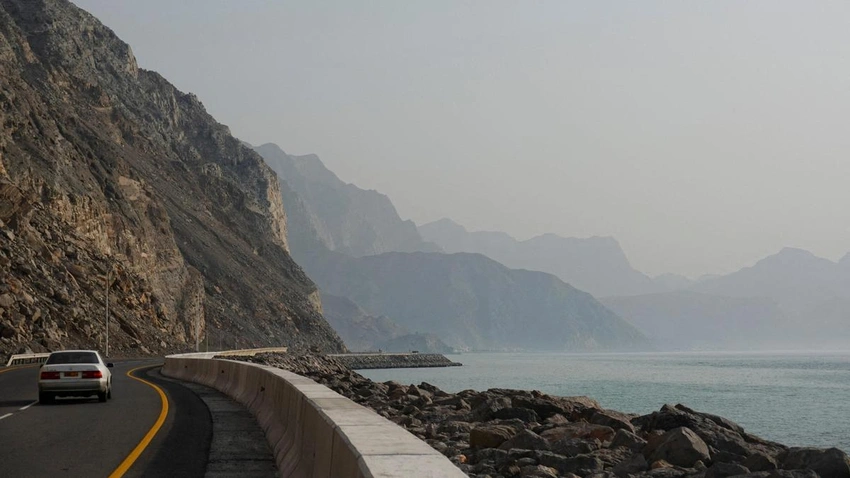
Airspace empties as Hormuz tensions surge, oil markets on edge
Airspace over West Asia goes quiet as Iran threats raise fears of disruption through the Strait of Hormuz, pushing oil prices and flight routes into flux.
Global flight patterns shifted dramatically as tensions around the Strait of Hormuz intensified, with civilian airlines rerouting away from volatile West Asian airspace and a noticeable drop in trajectories for hours. Iran’s warnings that it could fire on ships in the strait added a new layer of unease for travelers and carriers alike, even as officials in the United States rejected claims of a full airspace closure. The sudden void in commercial traffic highlighted how geopolitical flashpoints can ripple through global skies and travel plans.
Meanwhile, analysts warned that sustained disruption through Hormuz could ripple into energy markets, given the strait’s role in handling roughly one-fifth of global seaborne crude and LNG shipments, as well as a significant share of widely used fertilizers. The prospect of prolonged blockades or accidents raises the risk of higher fuel costs and broader inflationary pressures for households and industries around the world.
On the ground, governments and regulators tracked the developments closely. In India, authorities emphasized maintaining domestic fuel supply and affordability, while markets in Europe and Asia watched oil prices for clues about the duration and severity of the disruption. Experts suggest that even a temporary halt in Hormuz shipping could translate into higher energy costs, tighter shipping availability, and increased volatility in commodities beyond oil.
In sum, the situation remains fragile but fluid: a single misstep or escalation could sustain pressure on global energy prices and consumer bills for weeks to come.

Login to comment.
No thots yet. Be the first to share your thoughts!