India resumes GCC FTA talks to boost trade with six Arab nations

India resumes GCC FTA talks to boost trade with six Arab nations
India restarts talks on a free trade agreement with the GCC, aiming to lift trade beyond $179 billion and deepen ties with six Gulf partners.
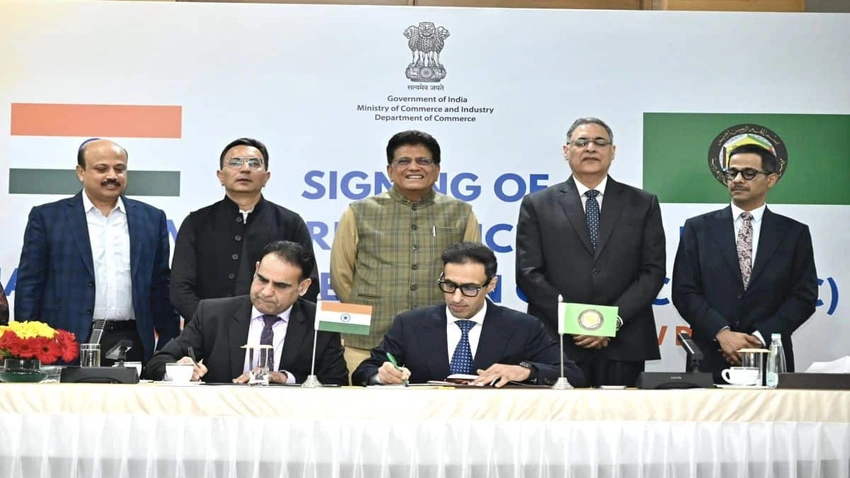
India has revived negotiations on a free trade agreement with the Gulf Cooperation Council, resuming talks with the six Arab nations. On Thursday, the ToR for a potential FTA was signed in New Delhi by Additional Secretary Ajay Bhadoo and GCC Secretariat General Raja Al Marzouqi, in the presence of Commerce Minister Piyush Goyal. This formal step signals a renewed push to deepen trade and investment links with the bloc.
The six-member GCC — Bahrain, Kuwait, Oman, Qatar, Saudi Arabia and the United Arab Emirates — is a major trading partner for India. Current commerce data show bilateral trade around $179 billion, with GCC exports to India around $57 billion and imports of about $122 billion, accounting for more than 15% of India’s total global trade. Expanding this relationship through an FTA could help diversify India’s trade mix and broaden mutual investment.
India’s decision to restart FTA talks with the GCC follows years of engagement. Negotiations were first launched in 2004, with subsequent rounds in 2006 and 2008, before being suspended in 2011. Talks were revived in 2022, and the current ToR reflects a renewed commitment to shaping a framework that could cover goods and services and boost cross-border investments as both sides seek resilient supply chains in a volatile global trade environment.
This move comes amid a broader Indian strategy to deepen economic ties with key global partners after it sealed significant trade pacts with the European Union and the United States in recent years. The Delhi ceremony underscores the government’s priority of expanding trade corridors with the Gulf, a region seen as central to India’s energy security, manufacturing ambitions, and services growth.
As negotiators prepare for the next rounds, stakeholders will be watching how sensitive sectors—tariffs, rules of origin, and dispute settlement—are balanced against the goal of creating a more dynamic, rules-based trading relationship that boosts jobs and investment at home.
