When Reality Becomes Entertainment: The Dark Ethics of True Crime Comedies

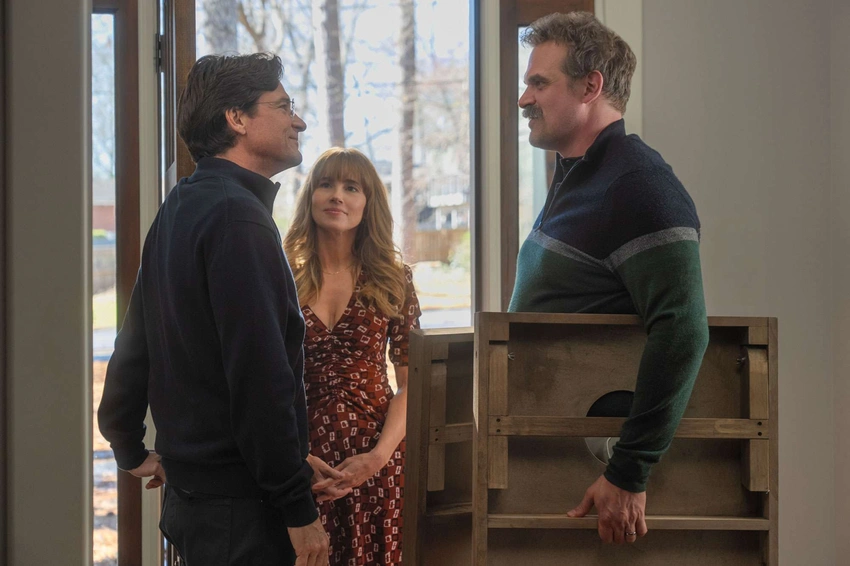
When Reality Becomes Entertainment: The Dark Ethics of True Crime Comedies
Is it okay to turn a real murder trial into a dark comedy? We explore the thin line between creative storytelling and exploiting real-life tragedy for views.
The Real Price of Your Favorite True Crime Binge
We have all been there, scrolling through a streaming app and stumbling upon a series that claims to be inspired by true events. There is a certain thrill in knowing that the bizarre plot twists on our screens actually happened to real people. Recently, the industry has taken a strange turn by blending gruesome murder trials with dark comedy. While these shows offer high production value and witty dialogue, we have to ask ourselves: at what point does storytelling become a second victimization?
From Courtroom to Living Room
Take, for example, the recent trend of retooling actual murder cases into original fictional works. When a production starts with a specific, high-profile trial like a 2017 case involving a doctor and a complex web of lies, and then pivots to call it an original idea, the connection to reality remains. Even if the names are changed or the plot is tweaked, the foundation is built on a family's worst nightmare. The transition from a factual recount to a fictionalized parody can feel like a betrayal to those who lived through the trauma.
Why Dark Comedy Feels Different
It is one thing to watch a somber documentary that respects the gravity of a loss. It is another thing entirely to watch a dark comedy that uses the same circumstances for laughs. Comedy is a powerful tool for coping, but when that humor is applied to someone else's tragedy without their consent, it feels predatory. Producers argue that they are creating art, yet this art often prioritizes a catchy hook over the dignity of those left behind. Using a real-life death as a punchline or a quirky plot point diminishes the value of the life that was lost.
The Ethics of the Pivot
Changing a story just enough to avoid legal trouble while still profiting from the buzz of a real crime is a murky tactic. It allows creators to distance themselves from the victims while still benefiting from the inherent drama of the real-life events. If we want better storytelling, we should demand that creators either stick to the facts with empathy or invent entirely new worlds that do not rely on the blood of others.
Our entertainment should not come at the cost of someone else's peace. Next time you press play on a show that feels a little too close to the headlines, consider the people who cannot just turn off the TV when the credits roll. We owe it to victims to be more critical of the media we consume.
