Periodic Table Is Now a War Map

Periodic Table Is Now a War Map
Periodic Table Is Now a War Map
How the newest superheavy elements are reshaping science and geopolitics, turning chemistry into a high-stakes arena where nations race for prestige, influence, and discovery.
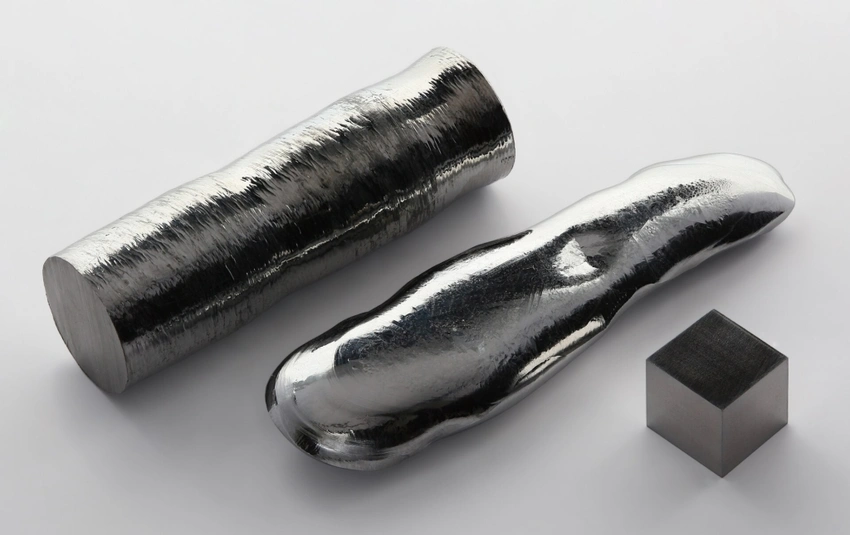
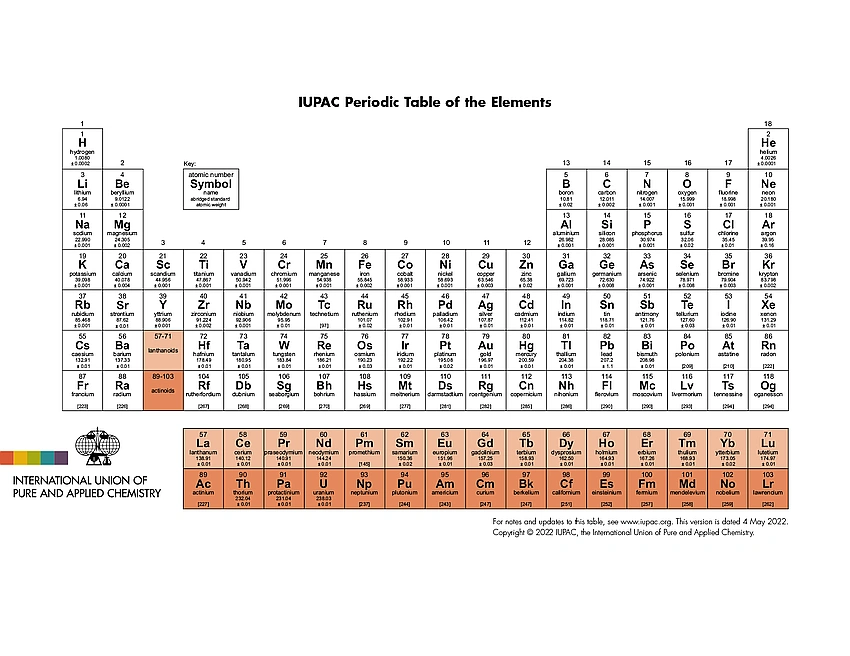
In the quiet corners of chemistry classrooms, the periodic table hangs like a colourful tapestry of order and reason. It seems static. It seems safe. But looks are deceiving. That chart is no longer just a list of ingredients for the universe. It has become the most dangerous map on Earth. While students memorize atomic numbers, superpowers are redrawing global alliances to secure the specific squares that power the twenty first century. The era of oil wars is fading. The era of the Periodic Table War has begun.
The New Heavyweights
Science never sleeps. In the last two decades, the table itself has grown. The seventh row is finally complete. Four new tenants moved in during 2016. They are Nihonium, Moscovium, Tennessine, and Oganesson. These are not elements you will find in your backyard. They are superheavy ghosts. They exist for fractions of a second in high tech labs. Their creation was a race for national prestige rather than industrial utility. Japan claimed Nihonium. Russia stamped its mark on Moscovium and Oganesson. The United States and Russia collaborated on Tennessine.
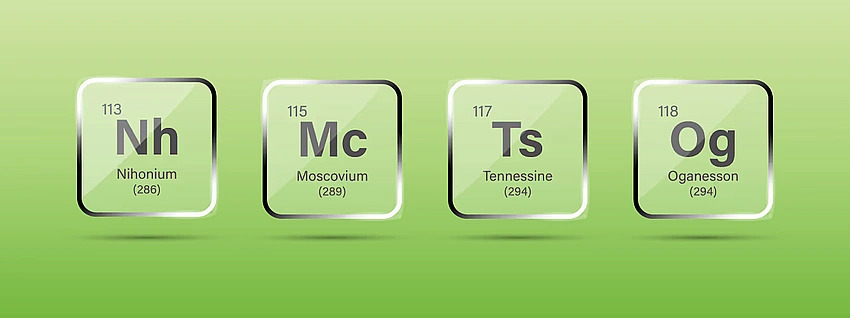
These discoveries pushed the boundaries of physics. They proved we could manufacture matter that nature forgot to make. Scientists are now hunting for the fabled "Island of Stability" where superheavy elements might exist long enough to be useful. But while physicists chase these fleeting giants, the world’s generals and CEOs are obsessed with the lighter, dirtier, and far more critical residents of the table.
The Elements of Modern Industry
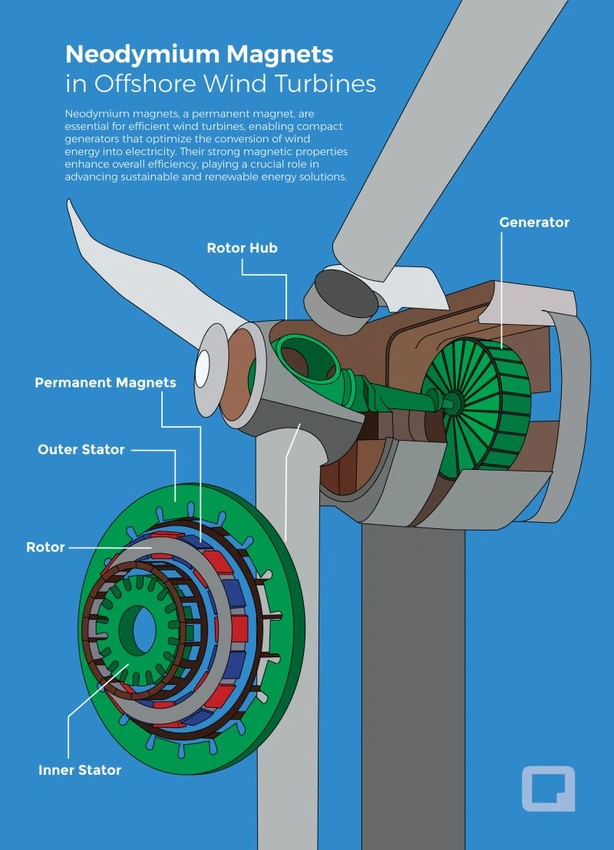
The world is now chasing "critical minerals." These are the vitamins of modern industry. You cannot build a fighter jet or a smartphone without them. The average electric vehicle battery is a cocktail of Lithium, Nickel, Cobalt, Manganese, and Graphite. A wind turbine needs massive permanent magnets made of Neodymium and Dysprosium. Your laptop chip relies on Gallium and Germanium.
The supply chain for these elements is terrifyingly fragile. China realized this decades ago. While the West was busy fighting wars in the Middle East for oil, Beijing was quietly buying up mines in Africa and Latin America. They built massive refining complexes. Today China controls the processing of nearly 90 percent of the world’s rare earth elements. They do not just own the mines. They own the chemical know how to turn raw rock into usable metal.
The Battery Battleground
Lithium is the new oil. The price volatility of this soft, white metal sends shockwaves through the automotive industry. Australia and Chile are the mining giants here. But the raw ore flows to China for refinement. This is a choke point. The West is scrambling to fix it. The United States has launched massive subsidies to build processing plants at home.
Then there is Cobalt. It is the blood diamond of the battery world. nearly 70 percent comes from the Democratic Republic of Congo. Conditions there are often brutal. Yet the world cannot get enough of it. Manufacturers are desperately trying to engineer Cobalt out of batteries, but it remains essential for range and stability.
The Chip War Trenches
If batteries are the heart of the new economy, semiconductors are the brain. Here the periodic table battle gets vicious. Silicon is abundant, but the doping agents are not. Gallium and Germanium are obscure metals produced mostly as a byproduct of aluminium and zinc mining. China produces 98 percent of the world's Gallium.
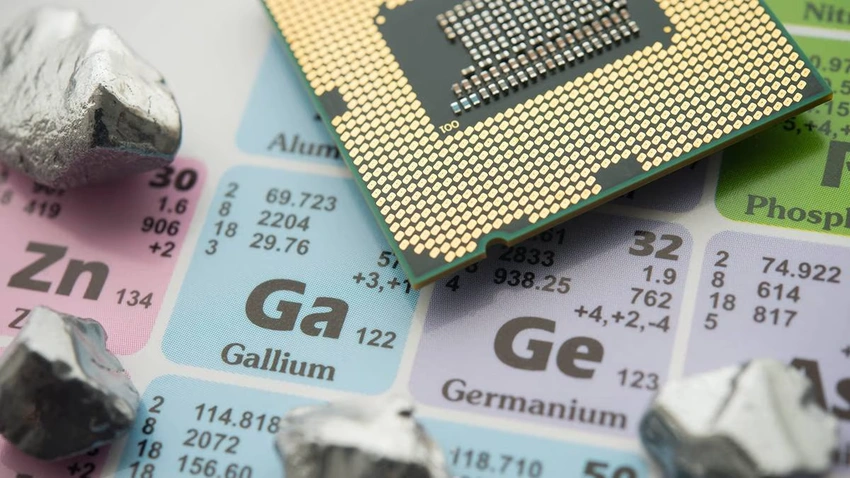
In 2023 Beijing flexed its muscles. It restricted the export of these two metals. The message was clear. If you cut us off from advanced chips, we will cut you off from the materials you need to make them. Prices spiked. Western defence contractors broke into a cold sweat. Radars and spy satellites run on Gallium Arsenide chips. This was not just a trade dispute. It was a shot across the bow.
Jet Engines and Rare Earths
Fly over to the aerospace sector and the story repeats. Jet engines operate at temperatures that would melt steel. They need superalloys containing Rhenium. It is one of the rarest elements in the Earth's crust. Most of it comes from Chile, Poland, and the United States. A disruption here grounds air forces.
But the real headache is the magnets. Rare earth elements like Neodymium are not actually that rare. They are just incredibly messy and toxic to process. The West shut down its own processing plants in the 1990s because of environmental concerns. They outsourced the pollution to China. Now they realize they outsourced their national security along with it.
India Enters the Chat
India has watched this game from the sidelines for too long, but that is changing. The discovery of 5.9 million tonnes of Lithium reserves in Jammu and Kashmir was a geopolitical earthquake. Another discovery followed in Rajasthan. If these reserves are commercially viable, India could transform from a frantic importer to a strategic player.
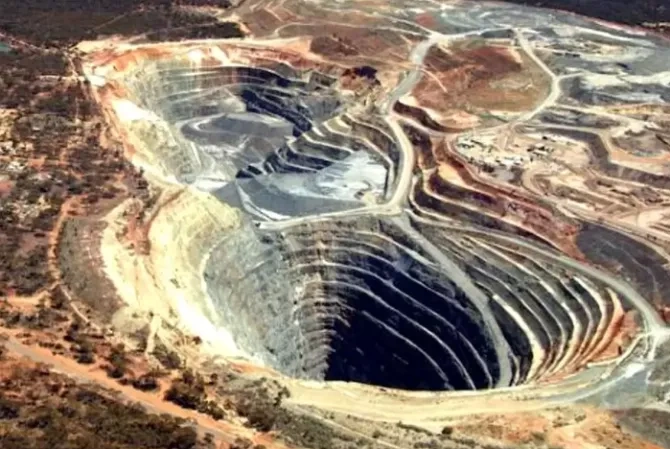
New Delhi is also pushing hard on the "China plus one" strategy. The logic is simple. The world needs a backup factory. India wants to be that factory. The government is auctioning off critical mineral blocks at record speed. They are courting technology transfers from the United States and Australia. It is a steep climb. Mining is easy. Refining is hard. But the intent is undeniable.
The New Iron Curtain
We are witnessing the formation of a new Iron Curtain. But this one is not made of iron. It is made of Cobalt, Lithium, and Gallium. The global economy is splitting into two blocks. On one side is China and its resource rich partners in the Global South. On the other is the US led alliance of Europe, Japan, Korea, and Australia.
This reshaping of geopolitics is messy. It forces uncomfortable choices. The West talks about human rights but is forced to cut deals with dictators who sit on copper mines. Environmentalists want electric cars but protest the new mines needed to build them. You cannot have it both ways.
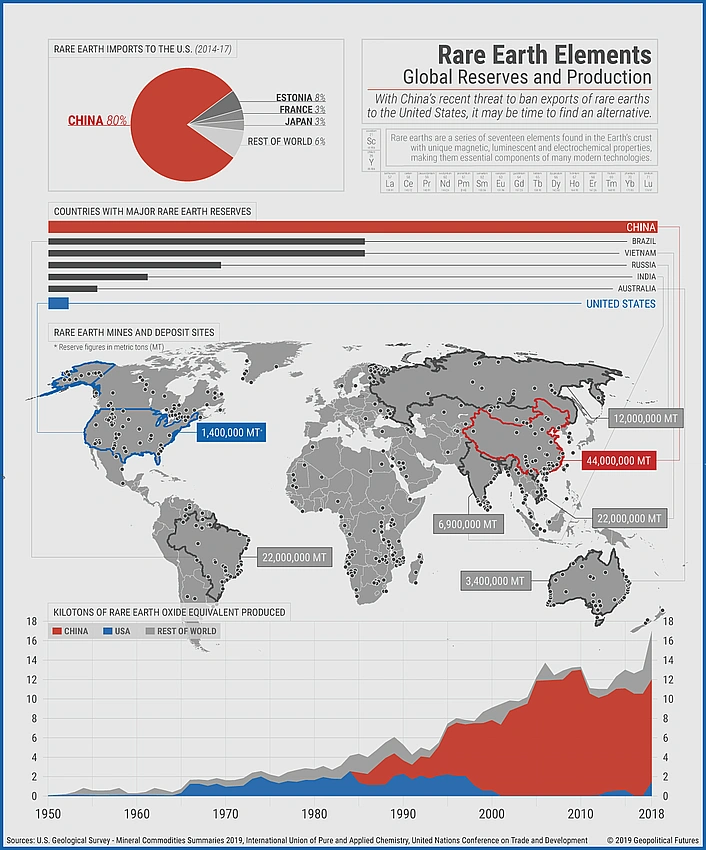
The periodic table has become a checklist of vulnerabilities. Every nation is now auditing its supply chains. They are asking the same question. Who feeds us? Who holds the tap? The next twenty years will be defined by who controls the flow of these invisible ingredients.
The frantic search for alternative materials is on. Can we make batteries from Sodium instead of Lithium? Can we build motors without rare earth magnets? Science will eventually provide answers. But politics works on a faster clock.
For now the world is locked in a high stakes game of musical chairs. The music has stopped. Everyone is scrambling for a seat. And the seats are made of rare minerals. The periodic table is no longer just a scientific document. It is the ledger of the new world order. Study it closely. Your future depends on it.
References
- IUPAC Updates: The official additions of Nihonium, Moscovium, Tennessine, and Oganesson were confirmed by the International Union of Pure and Applied Chemistry in 2016.
- Critical Minerals Data: Information on global reserves and processing dominance is derived from the United States Geological Survey (USGS) Mineral Commodity Summaries 2024 and 2025.
- Geopolitical Analysis: Insights into the "Chip War" and export controls are based on reports from the Center for Strategic and International Studies (CSIS) and recent trade data regarding Gallium and Germanium restrictions.
Sources
- International Union of Pure and Applied Chemistry (IUPAC) Periodic Table https://iupac.org/what-we-do/periodic-table-of-elements/ 🔗
- USGS Critical Minerals List 2025 https://www.usgs.gov/news/science-snippet/interior-department-releases-final-2025-list-critical-minerals 🔗
- IEA Critical Minerals Market Review https://www.iea.org/reports/critical-minerals-market-review-2023 🔗
#PeriodicTableWar #Chemistry #GlobalPower #ScienceNews #HeavyElements
