Forget Birkins: Is 'Access' the Ultimate Gen Z Flex (or a clever trap)?

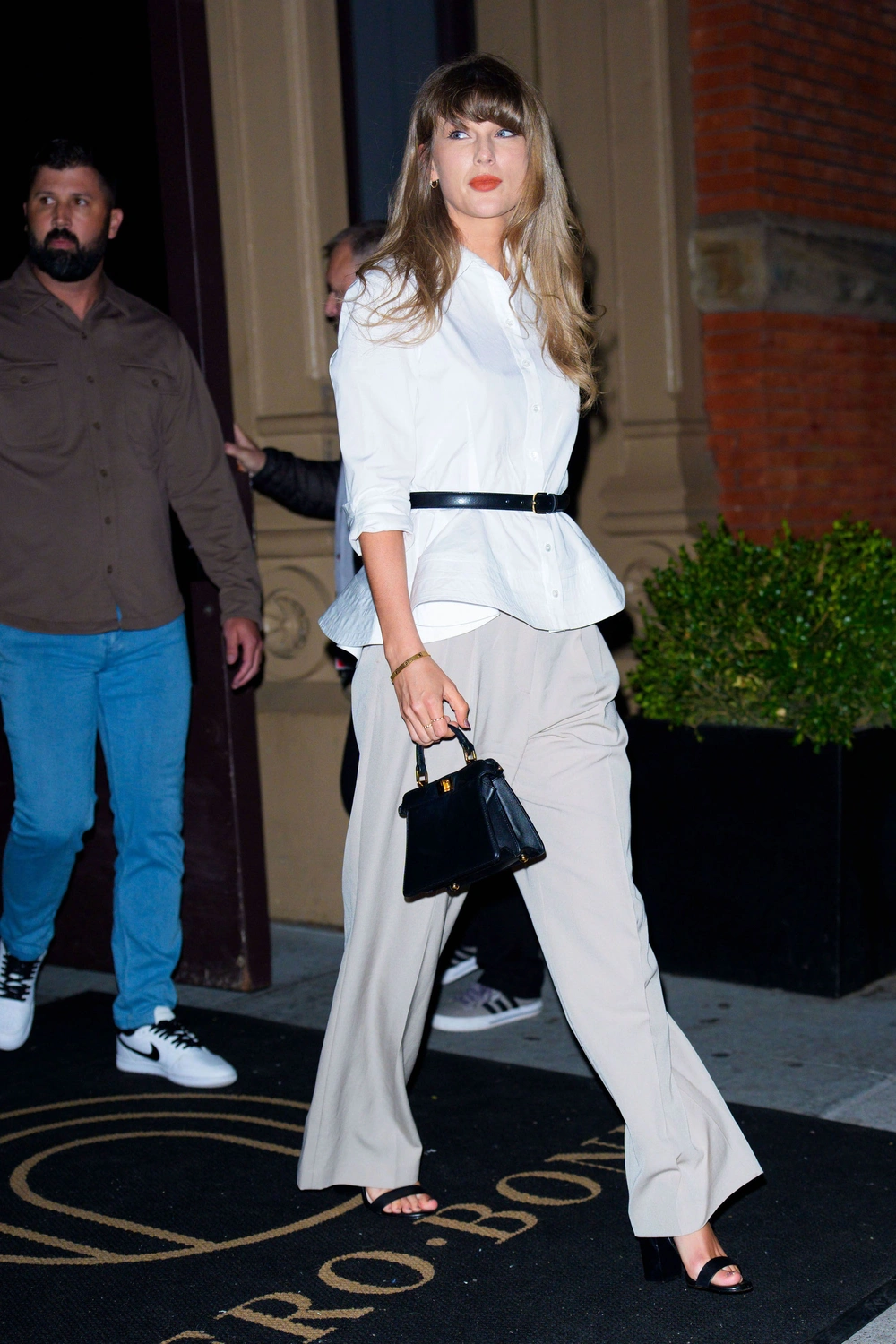
Forget Birkins: Is 'Access' the Ultimate Gen Z Flex (or a clever trap)?
Status is no longer about what you own, but where you can go. Is this new 'exclusive access' luxury just FOMO marketing or a genuine shift in status symbols for Gen Z?
Once upon a time, flashing your status meant a fresh Supreme drop, a gleaming Birkin, or maybe even a perfectly curated niche designer piece. Status was simple: it was about 'what you owned'. But let’s be real, that era is rapidly fading. We’re witnessing a seismic shift, especially among younger generations, where the ultimate flex isn’t in a limited-edition handbag, but in an exclusive invitation.
Think about it. A post from the invite-only Alo Wellness Club? Or maybe a glimpse inside Selfridges’s newly opened 40 Duke, that ultra-private space reserved for their top spenders? Even just being in the ‘right’ VIP area at a festival can carry more cultural cachet than any specific item these days. As educator and brand strategist Eugene Healey, co-founder of The New Fundamentals of Brand, aptly puts it, “The objects we consume… simply don’t carry the same cachet they once did, regardless of what the object is.” He argues that even if a product is physically scarce, it’s ‘culturally ubiquitous’. We’ve all seen a Birkin online, even if few of us have touched one in real life. The internet has democratized visibility, ironically eroding the exclusivity of ownership.
This isn’t just a subtle trend; it’s a full-blown revolution in how we define luxury and status. Tariro Makoni, author of consumer publication Trademarked, nails it when she says, “It’s less about what you have or what you know, and more about who you know, and if your lifestyle accurately reflects that in a way that requires a much deeper form of entrenchment to even notice, penetrate, or belong to.” It’s about being in the room, not just buying the bag.
The blueprint for this kind of tiered access isn't new. Finance, travel, and high-end retail have been perfecting elaborate reward systems for years—think airline status, credit card tiers, loyalty programs that unlock progressively valuable benefits. What’s truly changed is the cultural currency of these systems. Access itself has become the ultimate status signal. The more you engage, the deeper you’re entrenched, the closer you get to something that fewer people can experience.
So, for Gen Z, is this ‘exclusive access’ truly the ultimate luxury flex, or are we just seeing a sophisticated new layer of FOMO marketing? On one hand, it feels more authentic, a nod to experiences and connections over material possessions. It speaks to a generation that values curated lifestyles and personal growth. On the other hand, it’s brilliant marketing. By creating invitation-only spaces and experiences, brands are generating intense desire and a sense of belonging for those who qualify, while simultaneously fueling envy—and a drive to spend more—among those on the outside.
It’s a double-edged sword. While it promotes a lifestyle of experiences, it also deepens the divide, creating new gated communities of privilege. The question isn't whether access is the new luxury; it unequivocally is. The real question is: are we genuinely flexing our unique experiences, or are we simply falling for the most cleverly designed FOMO trap yet, forever chasing the next exclusive invite to prove our worth?
