Tokenized Assets Reach Indian Investors, Unlock Global Markets

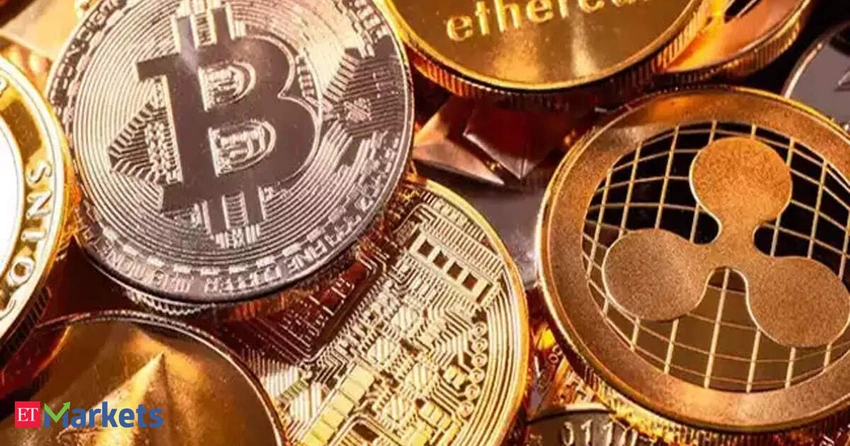
Tokenized Assets Reach Indian Investors, Unlock Global Markets
Tokenization lets Indian savers own fractional stakes in global giants like Tesla and Apple, cutting red tape and fees. Discover how crypto infrastructure democratises access to international markets.
Tokenization is turning real-world assets into digital tokens on a blockchain, allowing ownership rights to be bought, sold, or transferred instantly. It enables fractional ownership, so you don’t have to buy a whole share of a big company; you can start with a small investment and grow from there. The result could be a major shift in how Indians participate in global finance.
Traditional routes to global markets in India come with paperwork, forex conversions, custodial friction, and minimum investment hurdles that deter first-generation investors from tier-2 cities. Crypto infrastructure, by contrast, is borderless by design and aims to remove these gatekeepers. A salaried professional in Nagpur could access the same Nasdaq-listed opportunities as a fund manager in Singapore, with far less friction.
At the heart of tokenization is the token itself: a digital certificate of ownership issued by a regulated company that buys the underlying asset, locks it in custody, and issues tokens that mirror value in real time. Each token is traceable, verifiable, and divisible, meaning investors can participate without needing to own an entire share of a company.
Tokenized assets can include stocks, bonds, and real estate, offering diversification beyond traditional savings and domestic investments. India’s growing digital payments ecosystem further positions the country to embrace this new era of global finance, potentially broadening wealth creation opportunities for more people while still requiring robust regulation and clear safeguards.
As this space evolves, investors will weigh factors like custody, liquidity, and regulatory clarity. If adoption accelerates, tokenized assets could redefine access to global markets, making wealth-building more inclusive while maintaining the discipline of professional-grade risk management.
