BNP Returns to Power in Bangladesh After 20 Years, Gen-Z Left Watching

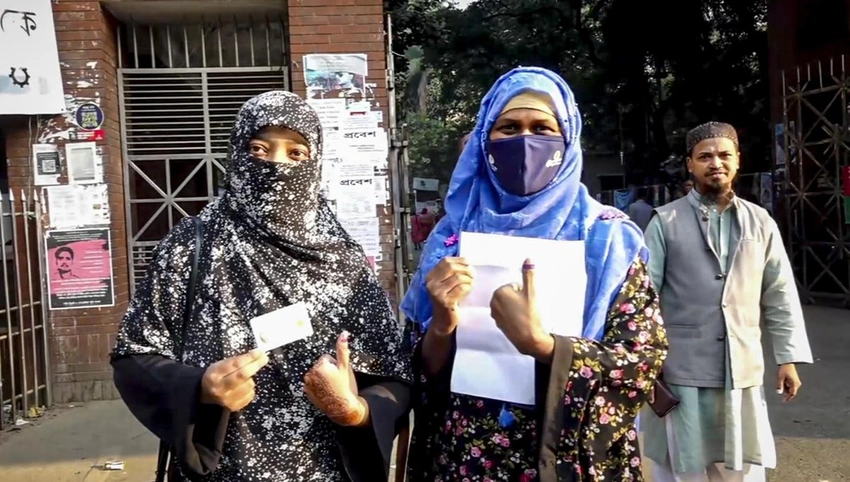
BNP Returns to Power in Bangladesh After 20 Years, Gen-Z Left Watching
BNP clinches a historic win in Bangladesh, ending Hasina's long rule as Tarique Rahman returns to power and reshapes the political landscape.
After a day of polling, the Bangladesh Nationalist Party (BNP), led by Tarique Rahman, is headed for a commanding victory, crossing the 150-seat threshold and pushing toward a clear majority in Parliament. Broadcasters reported BNP had secured as many as 212 seats, signaling a sweeping win and Rahman’s return to the driver’s seat after a 17-year self-imposed exile. Rahman, who returned to the country last December, had campaigned vigorously and won the two seats he contested—Dhaka-17 and Bogura-6—marking a personal milestone in a pivotal political moment for the nation.
This result would mark BNP’s return to power after more than two decades, with the last BNP-led government dating back to 2001. The February 12 elections are being described as historic, coming after a period of intense political upheaval that included the 2024 uprising that ended Hasina’s 15-year rule. One striking feature of the ballot was the absence of the Awami League’s familiar boat symbol on ballots, a consequence of the party’s suspension following the collapse of the previous administration, signaling a dramatic reshaping of the electoral landscape.
Tarique Rahman has urged restraint among supporters, asking them to pray rather than engage in large-scale celebrations as results continue to come in. The BNP also announced it would hold a prayer mahfil after the official declaration of results, signaling a ceremonial approach to a new era of governance. Analysts will watch closely how Rahman’s leadership translates into policy directions, governance priorities, and the handling of domestic and regional issues as the country navigates this potential transition.
If the reported tally holds, Rahman’s leadership could bring lasting changes in Bangladesh’s political dynamics, including how the government addresses youth unemployment, economic growth, and regional security concerns in South Asia. The election outcome also raises questions about democratic norms, pluralism, and the future role of opposition voices in Parliament. In the days ahead, observers will be assessing policy directions, coalition possibilities, and the practical steps toward a new period of Bangladeshi politics.
The run-up to the vote featured active engagement from younger voters and Gen-Z cohorts, whose influence on future elections remains a key topic for pundits and policymakers alike. As Bangladesh awaits final, official tallies, the country stands at a crossroads that could redefine its political, economic, and social trajectory for years to come.
