Fact-Checking Free Speech: Platforms' Risky Balancing Act

Fact-Checking Free Speech: Platforms' Risky Balancing Act
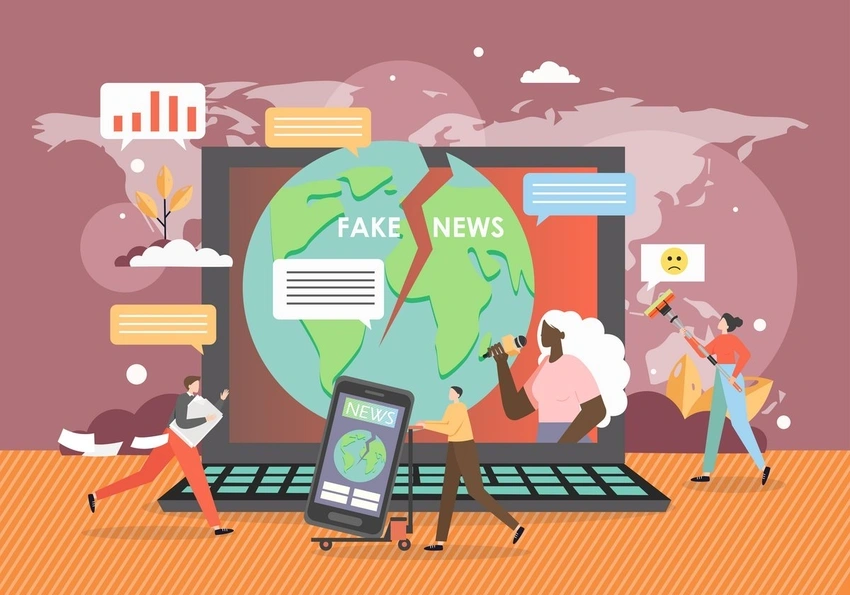
Are platforms guardians of truth or neutral conduits? The debate rages as digital disinformation clashes with free expression. Explore the complex ethics and real-world impact of content moderation.
The Great Digital Divide: Truth vs. Openness
Online platforms stand at a critical crossroads. They're no longer just technological utilities; they've become the de facto public squares of the 21st century. This power brings immense responsibility, sparking a fierce debate: should these platforms actively 'fact-check' information in real-time, or should they uphold neutrality, acting merely as conduits for all expression?
This isn't just a technical question, it's a profound ethical dilemma shaping our democracies and the very nature of truth itself.

The Allure of Neutrality
The argument for platform neutrality is rooted in a fundamental understanding of free expression. Proponents argue that platforms should be like telephone companies-they don't listen in on conversations to verify their accuracy. Intervening, they contend, risks becoming arbiters of truth, a role many feel is too powerful and easily abused.
This approach prioritizes open dialogue, even if it means tolerating disagreeable or even false information, trusting in the marketplace of ideas to eventually expose falsehoods.
Historically, 'more speech, not less' has been the democratic ideal. However, the speed and scale of digital disinformation today present a challenge unseen in previous eras. The sheer volume can overwhelm fact-checking efforts, making the ideal of a self-correcting market seem increasingly naive.

The Call for Guardianship
Conversely, the call for active fact-checking is growing louder. The spread of health misinformation, election interference, and hate speech demonstrates that unbridled free expression can have severe, real-world consequences. Platforms, by their design, amplify content, giving even fringe ideas enormous reach.
Many argue that with this power comes an inherent responsibility to protect users and society from demonstrable harm.
Platforms profit from engagement, and often, sensational or false content generates more engagement. This economic incentive creates a perverse dynamic. Therefore, those advocating for active moderation believe platforms must act as responsible gatekeepers, not just passive hosts.
As one observer noted,
'With great power comes great responsibility, and these platforms wield power on a global scale.'

The Fraught Path of Intervention
Yet, real-time fact-checking is fraught with peril. Who decides what is 'true' or 'false,' especially in fast-evolving situations or matters of opinion? Human bias, political pressure, and the subjective nature of interpretation can easily lead to censorship or the suppression of legitimate, albeit unpopular, viewpoints.
Mistakes are inevitable, and when a global platform makes a mistake, the repercussions are enormous.
There's also the question of scalability. Can human fact-checkers keep up with billions of posts per day across hundreds of languages? AI offers some promise, but it's far from perfect and introduces its own set of biases and ethical considerations.
The technical and ethical challenges of consistent, unbiased, global fact-checking are monumental.
Towards a More Responsible Digital Future?
Perhaps the answer lies not in an either-or choice, but in a nuanced approach. This might involve greater transparency from platforms about their moderation policies, investing in media literacy education for users, and implementing clear labels for disputed content rather than outright removal in all but the most egregious cases.
Third-party, independent fact-checking organizations could play a larger role, reducing the perception of platform bias.
Ultimately, the goal should be to foster a healthier information ecosystem where critical thinking is encouraged, and where the harm caused by disinformation is mitigated without stifling legitimate speech. It's a complex tightrope walk, but one that platforms, governments, and citizens must navigate together to safeguard our digital public sphere.

#DigitalDisinformation #FreeSpeechDebate #PlatformResponsibility
