IMD forecasts above-normal heatwaves across most of India this March–May

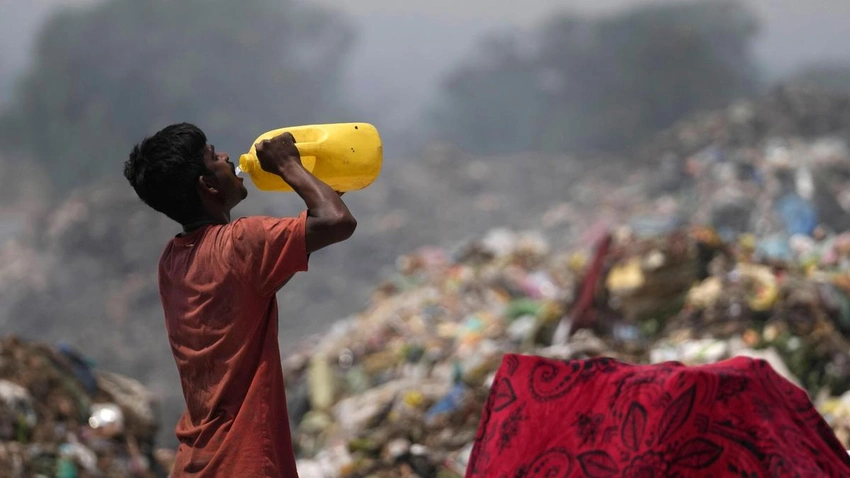
IMD forecasts above-normal heatwaves across most of India this March–May
IMD warns of a span of hotter-than-normal days across much of the country from March to May, signaling health, water, and energy challenges ahead.
New Delhi — The India Meteorological Department forecast on Saturday that above-normal heatwave days are likely across most parts of the country between March and May. The regions listed include West Rajasthan, Gujarat, Haryana, Punjab, southern and eastern Maharashtra, eastern Uttar Pradesh, Bihar, Jharkhand, Gangetic West Bengal, Odisha, Chhattisgarh, Telangana, Andhra Pradesh, and parts of north Karnataka and north Tamil Nadu. During this March–April–May period, the heat may pose significant risks to public health, water resources, power demand, and essential services, particularly for the elderly, children, outdoor workers, and those with pre-existing medical conditions.
In March itself, maximum temperatures are expected to be normal to below normal over many areas, except for the northeast and east India, and some parts of the Western Himalayas and central and peninsular India. Normal minimum temperatures are likely across most of the country, with some parts of northwest India, the south peninsula and along the east coast experiencing normal to below-normal minima during March. The forecast notes that rainfall across India for March 2026 is likely to be normal overall, with the long-period average around 29.9 mm. While many regions may see normal to above-normal rainfall in March, the northeast and some parts of northwest and east-central India could experience below-normal rainfall.
Weak La Niña conditions are currently prevailing in the equatorial Pacific. However, in the coming months, a shift toward neutral El Niño–Southern Oscillation conditions could occur, potentially influencing extended forecasts and rainfall patterns. Health and government agencies are urged to prepare for heat-related health advisories, water resource management, and energy demand planning, especially in vulnerable communities.

Login to comment.
No thots yet. Be the first to share your thoughts!