The Ghost of Zyzz: How Looksmaxxing's Shadow Still Haunts Social Media

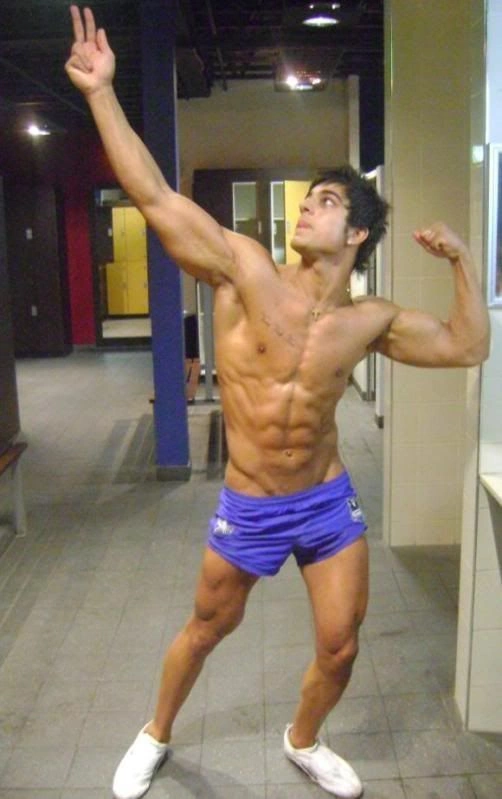
The Ghost of Zyzz: How Looksmaxxing's Shadow Still Haunts Social Media
Zyzz, the original looksmaxxer, rocketed to fame years ago. His story is a critical lens through which to view today's pervasive, and often problematic, looksmaxxing culture online.
“We’re all gonna make it, brah!” This rallying cry echoed across early internet forums, a mantra for a burgeoning online culture focused on physical transformation and aspirational living. It was the brainchild of Aziz Shavershian, better known as Zyzz, a figure whose meteoric rise and tragic fall at just 22 years old in 2011 continues to cast a long, complicated shadow over social media today.
Zyzz, once a shy and unassuming kid from Sydney, transformed himself through relentless gym dedication and frequenting online bodybuilding communities like Bodybuilding.com and 4chan. He forged an online persona that was a stark contrast to his real self: a brash, shirtless raver who flaunted his chiseled physique, demanding if viewers were “mirin'” his progress.
He wasn't just showing off; he was building a blueprint for what would become an entire generation of masculinity influencers.
Long before the term 'looksmaxxing' was even coined, Zyzz was its unwitting pioneer.
He instinctively understood how to leverage a brand-new media ecosystem to cultivate a personal brand centered entirely on physical perfection and a certain type of hyper-masculinity.
His legacy isn't just about fitness; it's about the very foundations of the manosphere and the relentless pursuit of an idealized aesthetic that has only intensified on platforms today.
The internet’s early wild west allowed Zyzz to flourish, creating a global fan base by 2010. But his story, as director Selina Miles aptly describes, is a “cautionary tale.” It’s a stark reminder of the pressures and potential pitfalls embedded within a culture that prioritizes outward appearance above all else, often at the expense of mental and physical well-being.
What started as individual self-improvement has metastasized into a pervasive social pressure. 'Looksmaxxing' now often involves extreme, sometimes dangerous, practices aimed at achieving an unattainable ideal.
It fosters comparison, anxiety, and a constant feeling of inadequacy among young men.
The digital echo chambers amplify these aspirations, creating a feedback loop where self-worth becomes inextricably linked to validation from anonymous online audiences.
Zyzz showed us that you could build an empire on looks and charisma online. But his untimely death underscores the fragile line between aspirational motivation and self-destructive obsession. The platforms and tools may have evolved since his era, but the core dynamics: the drive for external validation, the commodification of the body, and the creation of aspirational yet often unhealthy personas: remain alarmingly consistent.
We are left to grapple with a culture where young men are constantly fed images of an “ideal” that is often surgically enhanced, filter-perfected, or built through unsustainable regimens. The push to be bigger, more chiseled, more 'alpha,' isn't just about personal fitness anymore; it's about conforming to a rigid, often toxic, standard of masculinity propagated by influencers who profit from insecurity.
Zyzz might have been the original, but the problematic legacy of looksmaxxing culture continues to evolve, presenting an ongoing challenge for mental health and a genuine sense of self in the digital age.
