Congress questions Musk’s role in Modi-Trump West Asia call

Congress questions Musk’s role in Modi-Trump West Asia call
Opposition presses for clarity after reports Elon Musk joined the Modi-Trump call on West Asia tensions, urging government transparency.
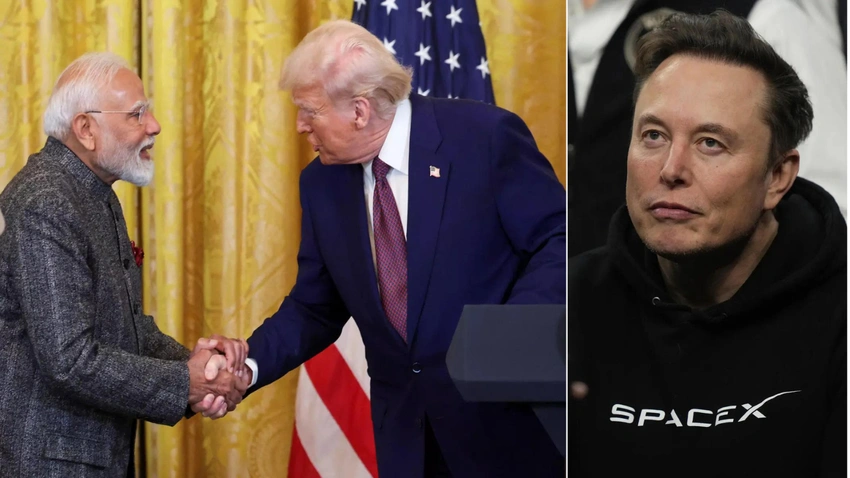
The Congress on Saturday raised questions about Elon Musk’s reported participation in the recent phone call between Prime Minister Modi and U.S. President Trump on the West Asia crisis. The party asked for a clear explanation of the circumstances under which a businessman could take part in a high-level diplomatic discussion and why the government did not disclose Musk’s presence. A post on social media by the Congress cited a report claiming Musk joined the call and pressed, in particular, whether the meeting was truly about West Asia or carried a separate business agenda. The party also noted that other leaders reportedly spoke with Trump without any business figure present and asked why this instance was treated differently.
In a separate wave of commentary, Congress communications chief Jairam Ramesh accused the Modi government of tolerating ongoing brutality in Gaza and linked the issue to broader regional actions. He highlighted perceived parallels with Israel’s moves in Gaza and in southern Lebanon, arguing that the focus on West Asia energy diplomacy should not mask what he described as “brutalities” on the ground. The remarks were part of a broader critique aimed at the government’s handling of the crisis and its foreign policy posture as Modi had recently visited Israel.
The government has since rejected the report of Musk’s participation, stating that Musk did not join the Modi-Trump call. Officials argued that the dialogue was held between the two leaders alone or with standard advisory channels, and that there was no undisclosed attendance by private individuals. The clarification came as the opposition pressed for greater transparency and accountability regarding how such conversations are conducted and who is present.
The controversy adds to the ongoing debate over diplomatic protocol and transparency in India’s outreach during a volatile West Asia moment. With tensions in the region continuing to shape energy dynamics and regional alignments, the incident has reopened questions about how domestic politics intersects with international diplomacy and what responsibilities the government bears in communicating such details to the public.
