The History Of Colourism In India: A Cultural Genealogy

The History Of Colourism In India: A Cultural Genealogy
The History Of Colourism In India: A Cultural Genealogy
Exploring how colourism in India emerged from caste, colonialism, and modern media, this analysis traces how lighter skin has signaled privilege and how resistance redefines beauty.
Colourism in India is not merely a matter of taste or fashion; it is a long, tangled history where aesthetics, power and social life intersect. From pre-modern registers of caste and status, through colonial re-articulations of beauty, to the post-independence commodification of fairness we keep an ear open for the contemporary resistances that complicate any neat narrative.
Shadows in the scripture
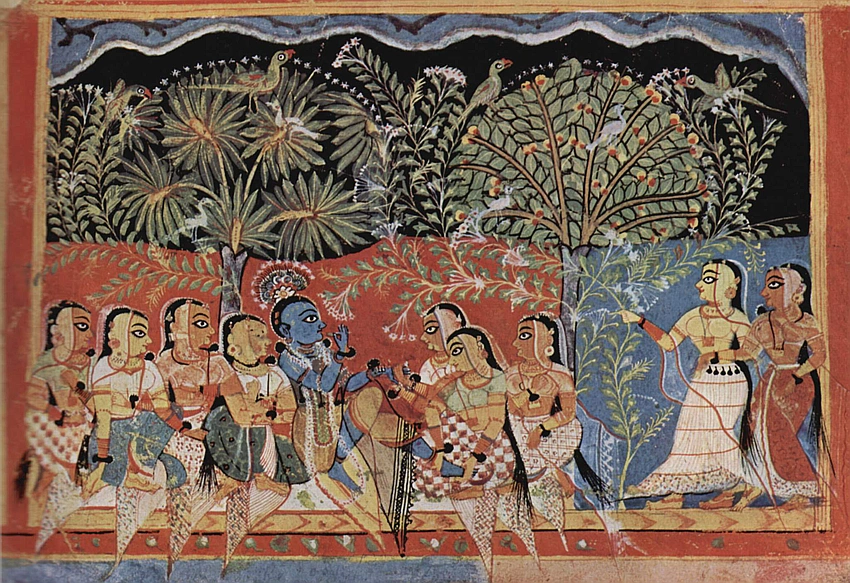
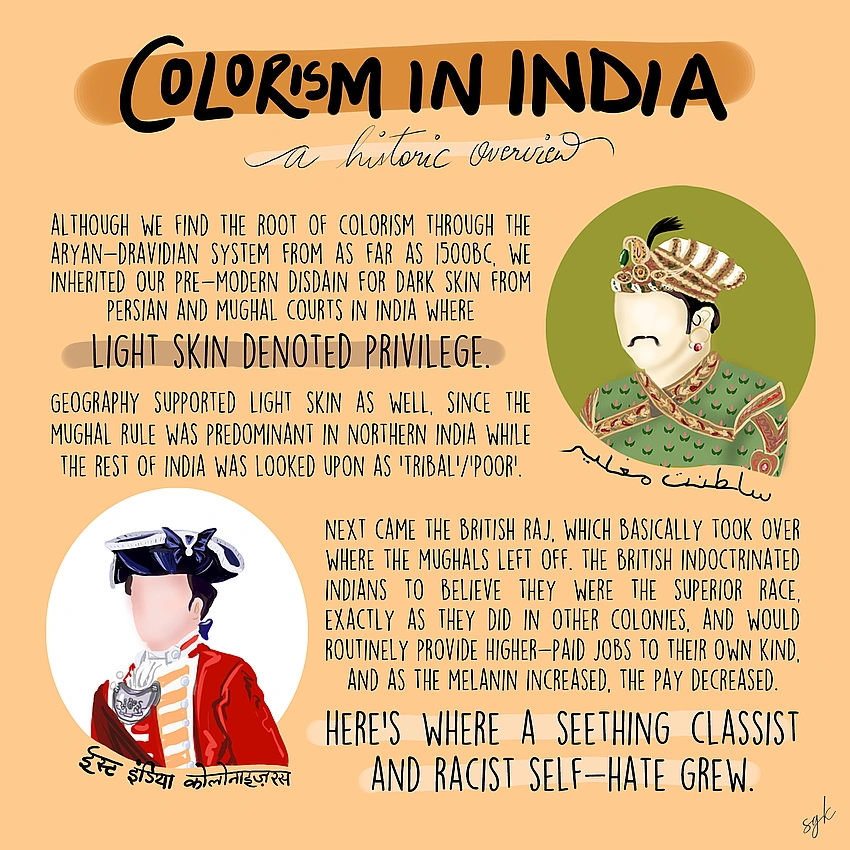
Accounts that link skin tone with social worth predate European contact. Indian social organisation long used gradations of purity and pollution, the Varna and later caste structures to demarcate status, land and ritual precedence; colour sometimes became one of several visual metaphors for those divisions. Historical readings and social studies caution against a simplistic equation of caste = colour, yet several scholars argue that lighter complexions were often mapped onto privilege in mythic and literary registers, supplying a cultural vocabulary that later projects would exploit.
Colonial optics and refinement of taste
The British Raj did not invent colour prejudice, but it certainly polished and globalised it. Colonial racial science and administrative hierarchies introduced new vocabularies of whiteness and modernity, while missionary and civilising discourses elevated European physiognomies as emblems of progress. Commercial advertising in the late-19th and early-20th centuries began to treat lighter skin as aspirational, tying it to hygiene, success and respectability a shift that made the preference legible on shop shelves as well as in social etiquette.
The glamour apparatus
Mass culture, especially cinema and matrimonial practices normalised and circulated ideals of lightness. Bollywood’s beauty codes have intermittently favoured lighter complexions through casting, lighting and post-production, while matrimonial advertisements and dating platforms historically foregrounded “fair” as a desirable trait. Empirical studies show colour-based preferences persist in marriage markets and employment settings, where lighter skin can translate into measurable social advantages.
Commodification of fairness
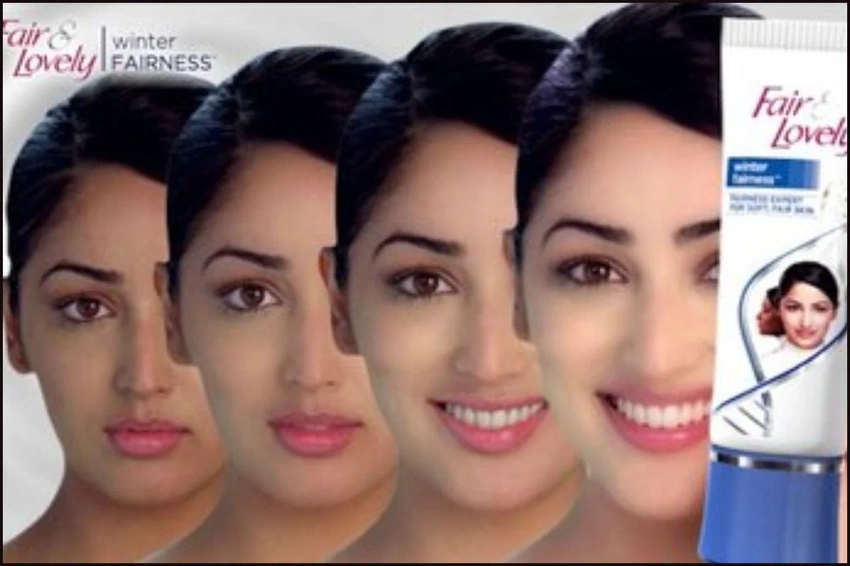
If colonial advertising planted the seed, global corporations and local entrepreneurs harvested a vast industry. The launch and mass marketing of fairness creams often promising class mobility, marital prospects or professional success turned colour into consumer demand. One widely discussed milestone is the rise of widely marketed fairness products in the 1970s; thereafter the market expanded into an array of creams, soaps and treatments that linked personal worth to paler skin. Public-health and social researchers have documented this commercial ecosystem and its psychological and physical costs.

Pushback and reframing
Resistance is neither new nor marginal. Anti-colourism movements, feminist critiques, and creative interventions by writers, filmmakers and activists have long contested the idea that fairness equals value. Campaigns such as “Dark Is Beautiful” and high-profile critiques of advertising practices have forced public conversations and regulatory scrutiny. Simultaneously, a new generation of artists, influencers and scholars has been reworking narratives challenging beauty norms, promoting varied representations on screen, and interrogating the commercial architectures that profit from insecurity.
History matters now
Understanding colourism historically matters because it shows these preferences are produced, not primordial. The preference for lighter skin in India today is the product of layered forces of caste associations, colonial valuation, the visual grammar of cinema, globalised advertising and persistent social incentives in marriage and employment. Recognising that assemblage is a political act: it makes possible forms of intervention that are social, regulatory and aesthetic rather than merely personal or cosmetic.

A note on evidence and ethics
The scholarship on colourism in South Asia ranges from historical studies to contemporary surveys and experimental social science. Empirical papers show measurable labour-market and matrimonial biases; journalistic investigations trace advertising strategies and corporate culpability; public-health work documents harms from unsafe bleaching products. Drawing on these different registers helps keep the picture honest and reminds us that cultural critique and policy change must go hand in hand.
If colourism is shaped by histories we can read, it is also shaped by the daily practices we reproduce. Rewriting the grammar of desirability will require shifts in representation (who we see on screen and in ads), regulation (how products are marketed) and social practice (how families and workplaces evaluate worth). The more we insist that beauty is plural and that dignity is not pigment-bound, the more room there will be for stories that refuse to equate lightness with legitimacy.
