Independence Day Torchlight Sparks Debate Over Extremist Rabbi

Independence Day Torchlight Sparks Debate Over Extremist Rabbi
A controversial rabbi known for boasting about demolishing Gaza homes lit the Independence Day torch at Mount Herzl, triggering rights groups' backlash and a broader national debate.
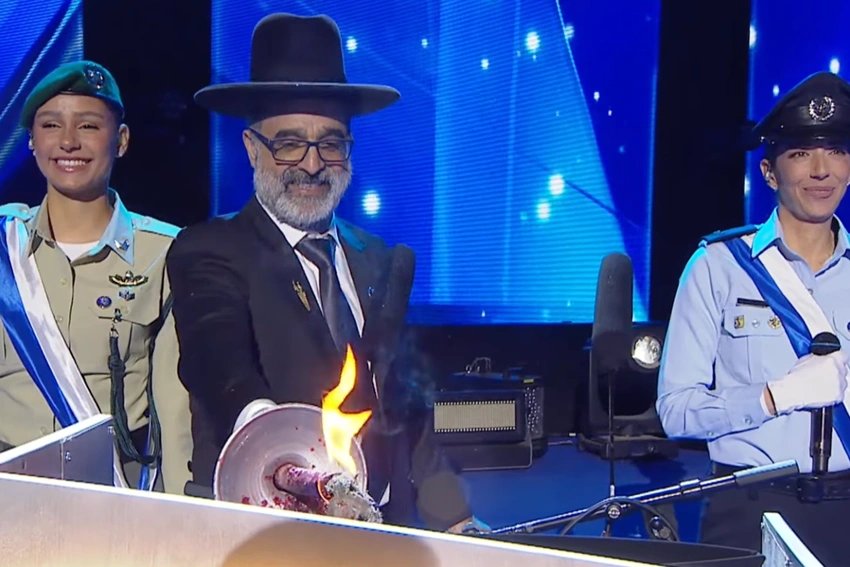
On Independence Day, a ceremony at Mount Herzl in Jerusalem drew sharp scrutiny after a controversial rabbi known for boasting about demolishing buildings in Gaza lit the national torch. The event, meant to honor the state’s founders, became a flashpoint as critics argued the choice highlighted extremist rhetoric in public life. The scene underscored how symbols tied to national celebration can collide with concerns about incitement and the dehumanization of Palestinians.
The rabbi, who serves as a rabbinical judge in civilian life, has long been a polarizing figure on Israel’s right. He has been condemned by rights groups and was previously censured by Israel’s judicial watchdog for extremist statements. Despite such warnings, he was introduced at the ceremony as a symbol of steadfast commitment to the nation, and the torch was lit before an audience that included the prime minister. Officials framed the moment as a representation of dedication to the country, but critics argued it signaled a troubling normalization of harsh, aggressive language toward Palestinians.
Rights organizations, including B’Tselem, publicly criticized the choice, saying it risked embedding genocide-like language into national rituals and dehumanizing Palestinians. The ceremony’s planner, Miri Regev, defended the decision, praising the rabbi as a paragon of devotion to the nation, the Torah, and the land of Israel. Yet the controversy extended beyond the ceremony itself, drawing attention to the broader fractions within Israeli society over how national symbols are used and who is invited to participate in commemorations.
The dialogue around the event also connected to international concerns. Earlier, a foundation named Hind Rajab filed a complaint with the International Criminal Court in January 2025 alleging war crimes tied to Gaza actions. Israel has rejected genocide accusations, but the clash of views at Mount Herzl highlighted the struggle over how history is remembered and who gets to shape it. As the country reflected on its identity, the incident left many asking what kind of national symbolism best represents its values and aspirations.
