Iran rejects Pakistan mediation as talks to end US-Iran conflict loom

Iran rejects Pakistan mediation as talks to end US-Iran conflict loom
Pakistan offers to host talks to end the US-Iran conflict while Iran rejects Islamabad's mediation, signaling a tense but ongoing push for dialogue.
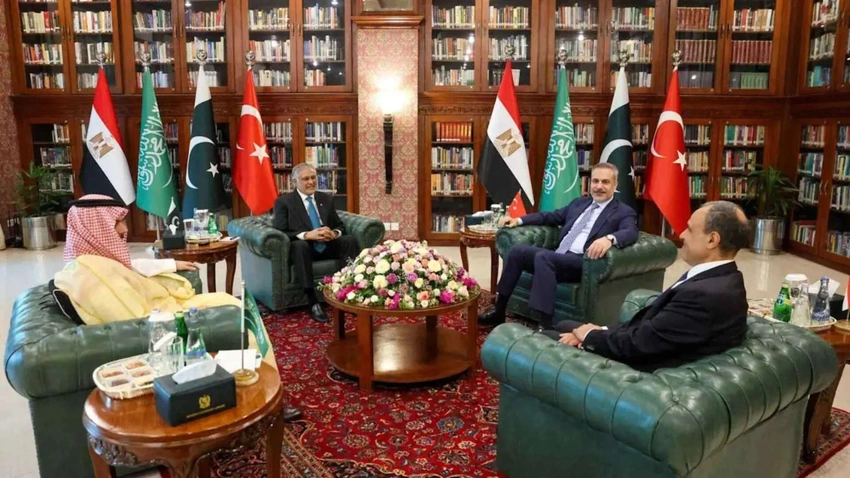
Pakistan has offered to host talks aimed at ending the US-Iran conflict as tensions between the two countries persist. Iran has publicly rejected Pakistan's mediation role, insisting it did not participate in any talks brokered by Islamabad. The stance underscores a widening gap between Tehran and its regional interlocutors, even as global powers emphasize the value of diplomacy.
Pakistan says it is ready to facilitate dialogue, relaying messages between Washington and Tehran and presenting itself as a neutral venue for negotiations. Foreign Minister Ishaq Dar has highlighted broad backing from regional leaders and major powers, including China and the United Nations, for a push toward substantive talks. Islamabad argues that diplomacy remains the only viable path to de-escalate a volatile crisis that has drawn in multiple international actors.
On the broader stage, Iran has warned that any further aggression by the United States would be met with a firm response. Reports have circulated about threats that US troops could be targeted, reinforcing the high-stakes environment surrounding potential concessions and redlines. While the possibility of direct talks remains uncertain, the international community continues to monitor developments as Pakistan presses for a venue and a framework for dialogue that could avert a wider confrontation.
