India-US Interim Trade Pact Framework Signals Tensions Easing

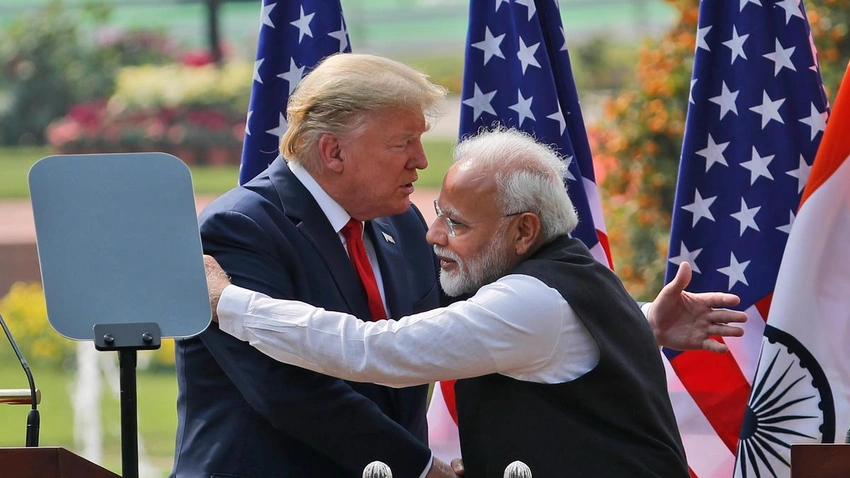
India-US Interim Trade Pact Framework Signals Tensions Easing
Interim framework signals de-escalation as tariffs tied to Russian oil imports are lifted and talks on a broader bilateral deal continue.
India and the United States have agreed to a framework for an interim trade pact, a move analysts say signals de-escalation of recent tensions and a clear intent to push ahead with broader Bilateral Trade Agreement negotiations. This development comes as both sides look to restore momentum to their trade relationship and address frictions across multiple sectors.
One immediate consequence of the framework is a step toward reducing tensions around punitive measures tied to Russian oil purchases. The United States has lifted punitive tariffs on Indian goods related to these imports, a move welcomed by Indian manufacturers and exporters who have long called for greater market access and predictability. In parallel, a separate action from the United States saw President Donald Trump sign an executive order lifting a 25% tariff penalty on Indian imports, a decision linked to India’s efforts to scale back its Russian oil purchases.
As part of the interim pact’s terms, observers note the U.S. will reduce the import duty on Indian goods to 18%, a key clause that could alter cost structures for various Indian exporters. The Hindu has highlighted this aspect as a major provision underpinning the framework, while many analysts expect the broader negotiations to follow with a full Bilateral Trade Agreement on the horizon.
Experts caution that while the framework opens a promising pathway, the specifics—timelines for tariff reductions, sector-by-sector access, and enforcement mechanisms—will be settled through ongoing talks. Some forecasts suggest the potential for a substantial market opening for Indian exporters, with estimates of a larger, even trillion-dollar impact across certain industries once a fuller agreement is in place. India has already begun scaling back its Russian oil purchases, a move that aligns with longer-term trade and strategic priorities discussed in these engagements.
In the coming months, negotiators will work to translate the interim framework into concrete concessions and rules, aiming to provide greater certainty for businesses and workers on both sides. The framework is framed as a de-escalation step that preserves momentum toward broader cooperation while addressing immediate tariff-related tensions that had hindered earlier negotiations.
