Trump Pushes NATO Allies: US Plans Major Force Reduction in Europe

Trump Pushes NATO Allies: US Plans Major Force Reduction in Europe
Reports confirm the Trump administration is planning significant cuts to US military assets in NATO Europe. This move, aligning with demands for allies to boost defense spending, could reshape global security dynamics. W
The Trump administration is reportedly moving forward with plans to significantly reduce the aircraft and warships it dedicates to NATO operations across Europe. This decision, detailed in a New York Times report citing senior European officials, signals a major shift in U.S. defense strategy and could have profound implications for the alliance's operational capabilities.
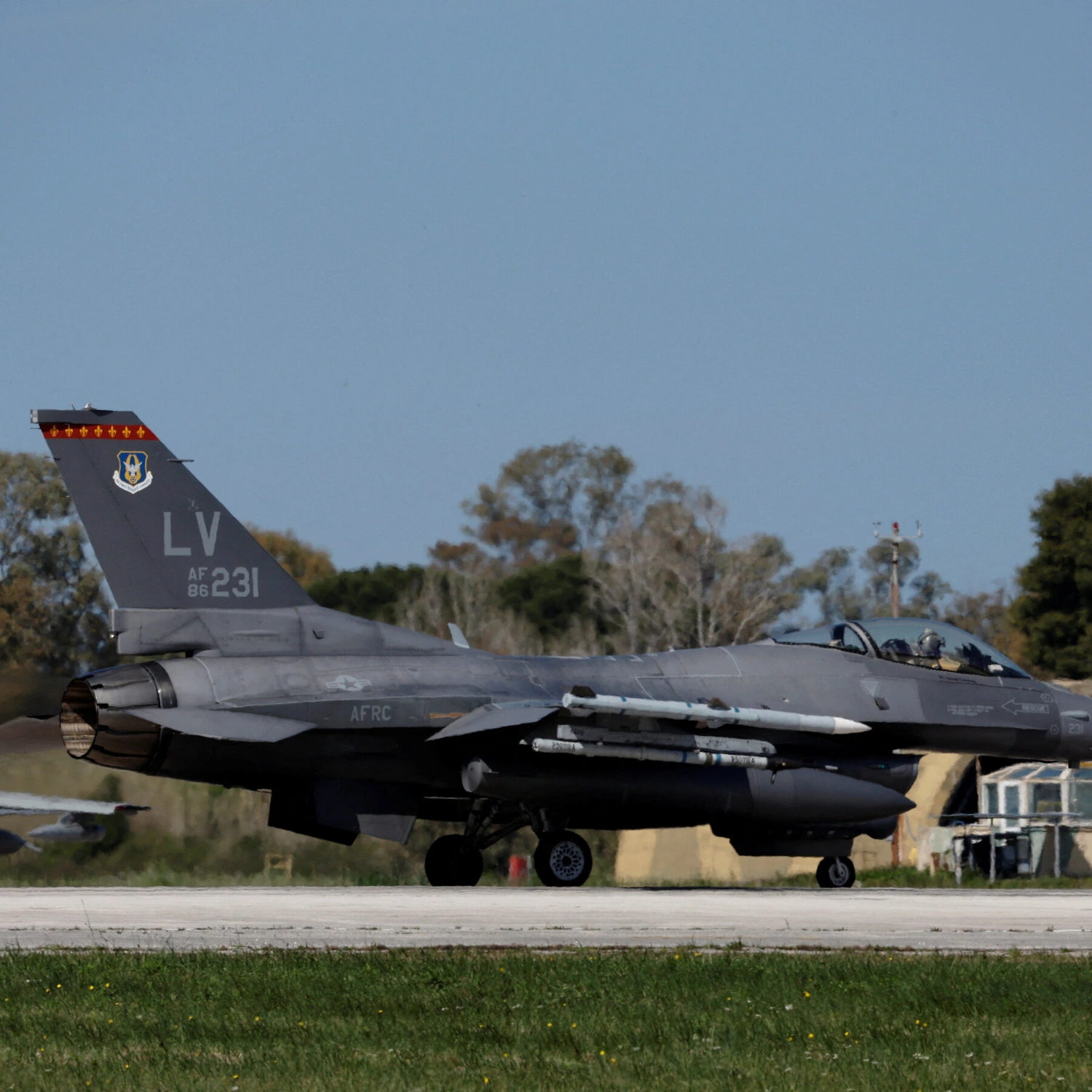
The proposed cuts are extensive, affecting various critical assets. The number of F-16 and F-15E fighter jets is expected to be reduced from approximately 150 to 100, while maritime reconnaissance aircraft would be scaled back from 26 to 15. Furthermore, all eight aerial refueling tanker jets previously available to Europe are slated for withdrawal. Beyond air assets, the plan includes redeploying a missile-launching submarine, an aircraft carrier, several warships, and numerous jets supporting carrier missions. There's also a possibility that one of the two bomber groups assigned to European defense could be reallocated.
Such reductions could severely impact NATO's capacity for long-range strikes and surveillance, potentially weakening the alliance's deterrence in the region. While Reuters was unable to immediately verify the report and both NATO and the U.S. Department of Defense declined to comment, the U.S. Eastern Command recently stated its intention to "rightsize" its contributions to the NATO Force Model, though without providing specifics. This aligns with earlier reports suggesting a U.S. plan to reduce military capabilities offered to allies during major crises.
This strategic move is consistent with former President Donald Trump's long-standing position. Throughout his administration, Trump frequently criticized European governments for underinvesting in their militaries and over-relying on U.S. protection. He has consistently urged both European and Asian allies to increase their defense spending, advocating for a target of 3.5% of their GDP, significantly higher than the 2% guideline many NATO members struggle to meet. The current proposed reductions appear to be a tangible step in pushing allies to take on a greater share of the defense burden.
