JAXA Bets on Water to Power the Future of Satellites

JAXA Bets on Water to Power the Future of Satellites
JAXA Bets on Water to Power the Future of Satellites
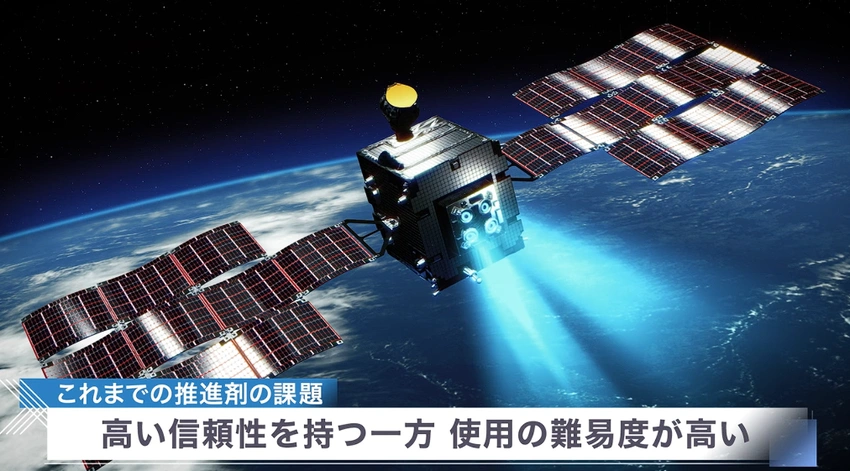
JAXA unveils water-based propulsion tech for small satellites. A bold step toward safer and cheaper space missions.
Japan’s space agency JAXA is rewriting the rules of propulsion. Its Innovative Satellite Technology Demonstration-4 mission proves water can fuel satellites. This is not science fiction. It is a working system.
The propulsion unit combines two thrusters. A resistojet heats water to create thrust. An ion thruster uses charged particles for efficient long burns. Together they form a compact, integrated system.
The benefits are clear. Water is safe. It is cheap. It is abundant. Handling is simple compared to toxic fuels like hydrazine. This makes launches faster and less risky.
Applications are wide. Satellite constellations can be deployed at lower cost. Debris mitigation becomes practical with controlled de-orbiting. Deep-space missions could tap water from asteroids or lunar ice. Responsive orbit changes for disaster monitoring or commercial services are now possible.
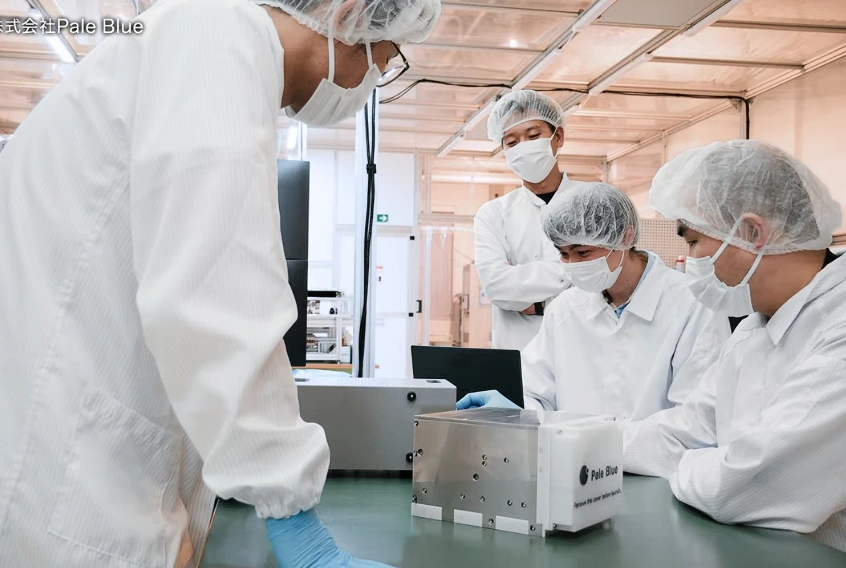
Industry players are watching closely. Pale Blue, a Japanese startup, is already testing water ion thrusters in orbit. JAXA’s RAISE-4 satellite will carry the hybrid system for real-world validationJAXA.
User sentiment is positive. One viewer commented that using water feels like “the most natural solution for space travel.” Another said it is “refreshing to see eco-friendly innovation in aerospace.”
This is more than a technical upgrade. It is a strategic shift. Space is opening up to safer, cheaper, and more inclusive technology.
#WaterPropulsion #JAXA #SpaceTech #SatellitePropulsion #CleanLaunch
