Beyond Borders: Is Diaspora-Driven World Pop Our New Universal Home?

Beyond Borders: Is Diaspora-Driven World Pop Our New Universal Home?
Discover how artists like Naïka are bridging cultural divides through world pop, creating a sense of belonging for a global generation.
Imagine growing up between worlds. For many third-culture kids, the question Where are you from? is rarely a simple one. It involves a mental map, several flight paths, and a mix of languages that do not always have a direct translation. It is an experience of being a permanent outsider, yet possessing a unique ability to see the beauty in every culture you touch.
The Soundtrack of Belonging: Why World Pop is Our New Home
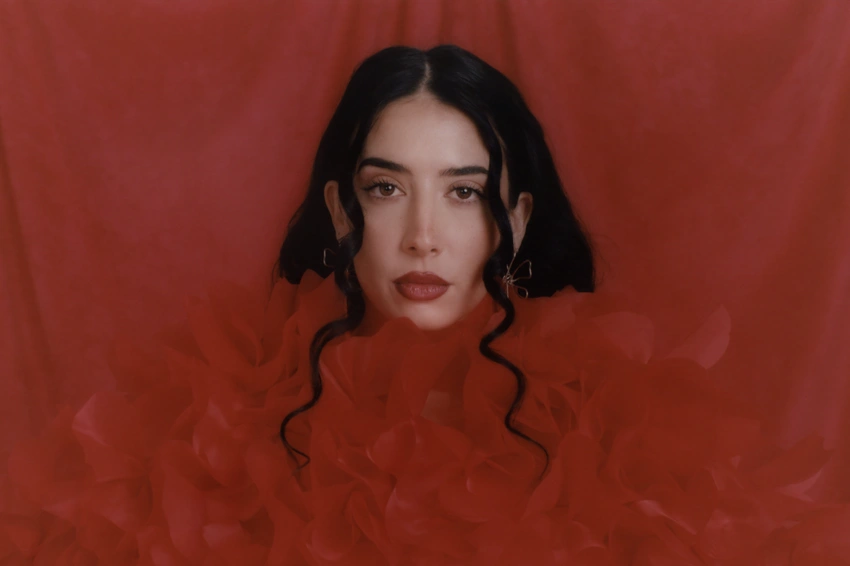
In the current music landscape, a new movement is taking center stage. Artists like Naïka, a French-Haitian singer who spent her childhood flitting across multiple continents, are leading a revolution. They are not just making music for the charts. They are building a sanctuary for those who feel like they belong everywhere and nowhere at once. This is the era of diaspora-driven world pop, a genre that refuses to be boxed into a single zip code or a narrow definition of heritage.
The Rise of the Global Sound
The beauty of this music lies in its refusal to choose. Why should a melody be strictly French or Haitian when it can be both? By blending these influences, artists create a third space where listeners can exist without borders. This global sound is not a gimmick; it is an authentic reflection of a world that is more interconnected than ever. When we hear rhythms that pulse with Afrobeat energy layered over pop hooks, we are witnessing the evolution of human connection.
Why It Resonates Across Cultures
In a world that often feels polarized, this music offers a bridge. It creates an environment where:
- The in-between identity is finally validated and celebrated.
- Listeners are introduced to global sounds that challenge the western-centric pop status quo.
- Authenticity is redefined as being true to a complex, multi-layered history.
Finding Home in Each Other
The core of this movement is the idea that people from everywhere can find home in each other. You do not need to speak a specific language to feel the vibration of a song. You do not need to have visited a specific country to understand the yearning in a vocal performance. Music has always been called a universal language, but today, it is becoming a universal home.
As these diaspora-driven artists stay authentic to their diverse roots, they invite us to do the same. They prove that we do not have to fit into one box to be understood. Perhaps the answer to cultural division is not found in politics, but in the playlists that bring us all together under one beat. Let us stop trying to figure people out and just start listening.
