The Geography Test We Never Signed Up For

The Geography Test We Never Signed Up For
The Geography Test We Never Signed Up For
There’s this moment that every Northeastern student in mainland India knows too well.
It's like this: You walk into a classroom, introduce yourself, sit down, and open your notebook…and before you even finish writing the date, someone turns to you and asks:
“So… are you from Nepal? China? Korea? Thailand? Japan? Mongolia? Bhutan?”
It’s like your face becomes an entire multiple-choice question LOL; one that you never even agreed to be in the first place.
Being from the Northeast means existing in a whole perpetual geography test, where strangers treat your identity like a quiz and your features like clues. Not because they’re curious, obviously; curiosity is innocent.
But because deep deep down, they still somewhat see us as outsiders within our own country. This is the test we never signed up for, and definitely never studied for.
Someone stares at you for a second longer than normal: squinting, calculating, categorizing, and then the guesswork begins.
“Are you Nepali?”
“No.”
“Bhutanese?”
“No.”
“Wait… Chinese?”
(Deep breath.)
“No.”
“Oh then you must be Korean? Like BTS?Korean actress?? LOL.”
As if BTS is a nationality.
It’s not even offensive all the time, sometimes it’s so funny I laugh my ass off, and sometimes I take it as a compliment because they think of me as a korean actress which they fangirl over(if you have the patience for it).
But the repetition wears you down, because the question isn’t really “Where are you from?”
The question is: Why do you look different from us?
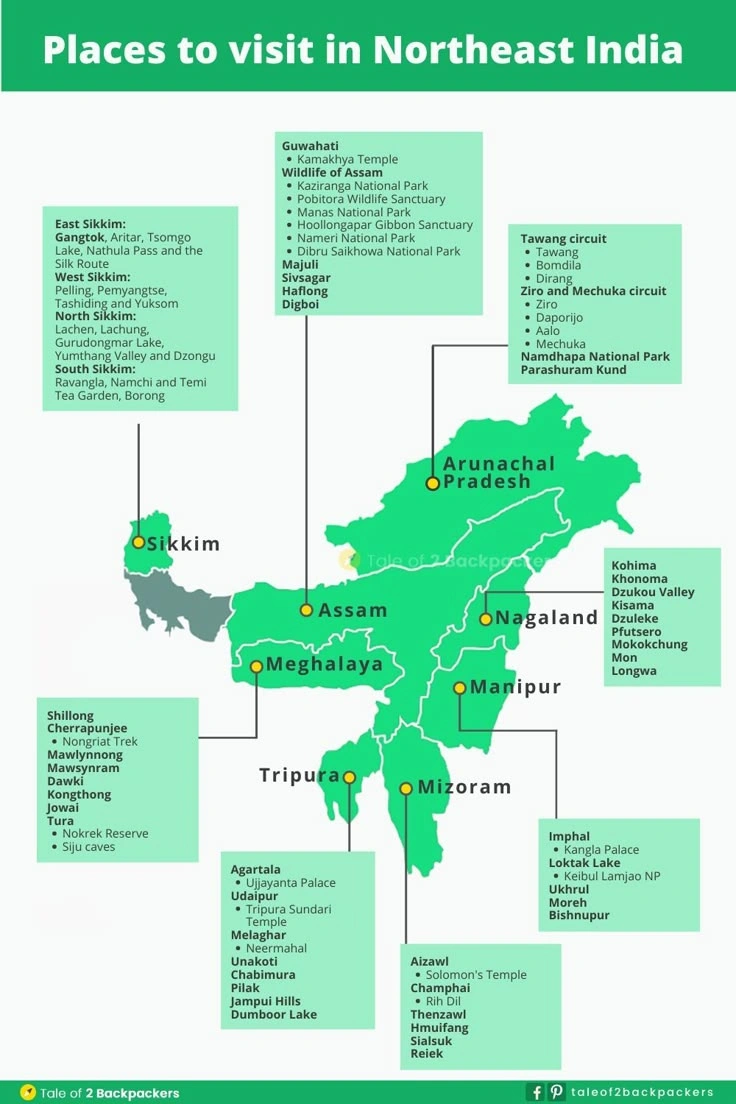
And that’s the part that stings. People assume Northeastern identity is one homogenous block: as if there aren’t eight states, hundreds of tribes, and thousands of years of history behind our faces, our cultures, our languages. But mainland India often flattens all of that into three stereotypes:
- Momos
- “Chinki” jokes
- And K-pop comparisons
That’s the entire textbook.
Actual facts, the kind you learn in school, they all vanish. Instead, strangers try to piece together your identity like a geography puzzle they forgot to revise. And when they guess wrong (they almost always do), they tilt their heads in confusion, as if you’re the one who got the answer wrong.
When you constantly have to explain that you’re Indian, in your own country, it becomes exhausting. It chips away at your sense of belonging. It makes you hyper-aware of your difference. It forces you to rehearse your identity like a script. It’s not the question that hurts. It’s the assumption underneath it:
We don’t see you as one of us. (somewhat like that it's not a cry for help I swear)
Identity, at its core, is belonging. And it’s painful to feel like your own country can’t recognize you. There’s another side people never see: the numbness. After the hundredth “Are you Chinese?”, you stop reacting. After the thousandth “Ni Hao,” you roll your eyes inward. After the fifth time in a week that someone asks if you’re foreign, you just sigh. Not because it doesn’t hurt anymore, but because you’re tired of choosing between three exhausting options:
- explain
- ignore
- laugh it off
All three feel like losing. There are real reasons behind the ignorance:
1. Lack of representation in mainstream media
Bollywood rarely features NE talent unless it’s for stereotyped roles. We rarely see ourselves in newsrooms, ads, shows, or movies.
2. School textbooks barely scratch the surface
We learn about Mughal dynasties for months but the Northeast is squeezed into two pages: half of which are maps.
3. Linguistic, cultural, and visual diversity is misunderstood
People in mainland India are used to seeing diversity within familiar patterns. Northeastern features are outside that pattern, and instead of learning, people guess.
4. Racism that nobody admits exists
The jokes, the slurs, the comparisons: they’re all rooted in deeper xenophobic attitudes that India rarely confronts. It starts with something simple:
Asking with respect, not assumption.
It continues with:
- learning instead of guessing
- listening instead of stereotyping
- respecting instead of exoticizing
- recognizing Northeast identity as Indian identity
- unlearning the biases that cause the guessing game
Representation matters. Education matters. Empathy matters.
And the responsibility isn’t only on Northeastern students to explain themselves. It’s on everyone else to see us correctly. It’s okay to be curious. It’s okay to not know. But it’s not okay to treat someone’s identity like a quiz with answers you can shout blindly until you get it right.
Northeastern people deserve recognition, not assumption. Respect, not stereotypes. Belonging, not interrogation. And maybe one day, we won’t have to prove our Indianness every time we meet someone new.
Until then, we’ll keep breaking the guessing game, not by getting louder, but by refusing to be boxed into anyone’s poor geography skills.
