War Threatens Water Lifeline: Desalination at Risk in Persian Gulf

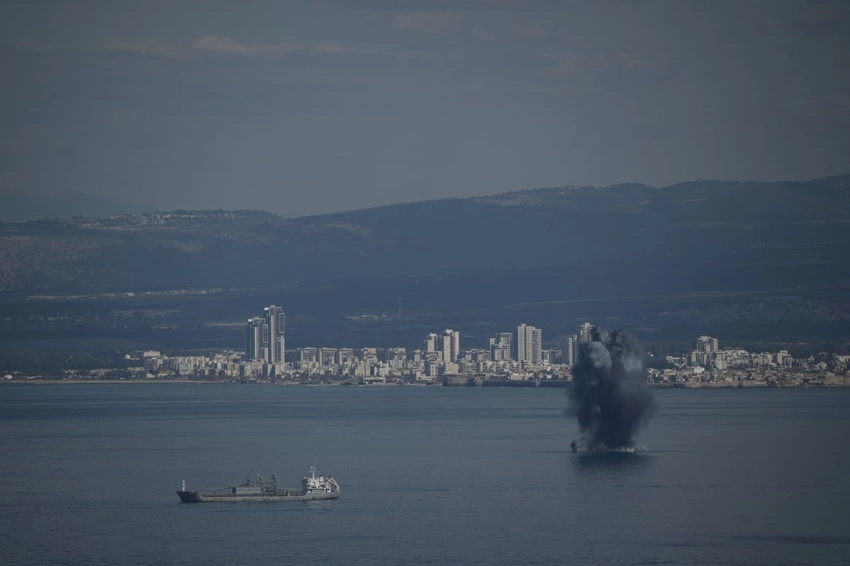
War Threatens Water Lifeline: Desalination at Risk in Persian Gulf
As conflict widens, experts warn water security could be the region's Achilles' heel, with desalination plants at risk amid rising Gulf tensions.
As the conflict around Iran widens, experts say the real strategic weak point in the Middle East may be water, not oil. Across the Gulf, nations rely on desalination to turn seawater into drinking water and irrigation, a lifeline that's suddenly under pressure as war threatens energy supplies, shipping lanes, and critical infrastructure.
Desalination plants, power grids, and the pipelines feeding them depend on stable fuel, electricity, and safe corridors for maintenance. When any link in that chain falters, communities risk shortages just as drought conditions persist in several parts of the region. The ripple effects could hit cities from the Persian Gulf to the Levant, complicating relief and reconstruction efforts.
The latest strikes and flare-ups in the wider conflict have turned desalination facilities into potential flashpoints. The region has built up a web of plants to support rapid urban growth, and experts warn that cutting off or damaging even a handful of facilities could push water scarcity to a crisis level. In Beirut and beyond, authorities are recalibrating risk, stockpiling spare parts, and exploring emergency water-sharing arrangements with neighbors.
Analysts say the war underscores a harsh reality: while oil has long financed the Gulf's expansion, secure access to clean water may become the true strategic currency. Policymakers, utilities, and international partners will need to step up protections for desalination infrastructure and invest in resilient, diversified water sources to weather the storm.
