Viral Fame Meets Algae: Why the Reflecting Pool Stumps Even the Best

Viral Fame Meets Algae: Why the Reflecting Pool Stumps Even the Best
The Internet's favorite pool expert is stumped by the Reflecting Pool's persistent algae, peeling paint, and failed fixes like hydrogen peroxide and nanobubblers. It proves some real-world problems defy even viral expert
It's a truth universally acknowledged in the digital age: if you have a problem, the internet has a guy. For all things pools, that guy has built an empire out of elegant, seemingly effortless solutions. Yet, when it comes to the iconic Reflecting Pool, even the industry's most celebrated online expert appears to be scratching their head. The saga of this national landmark's persistent issues is a stark reminder that some real-world challenges defy the quick-fix ethos of viral fame.
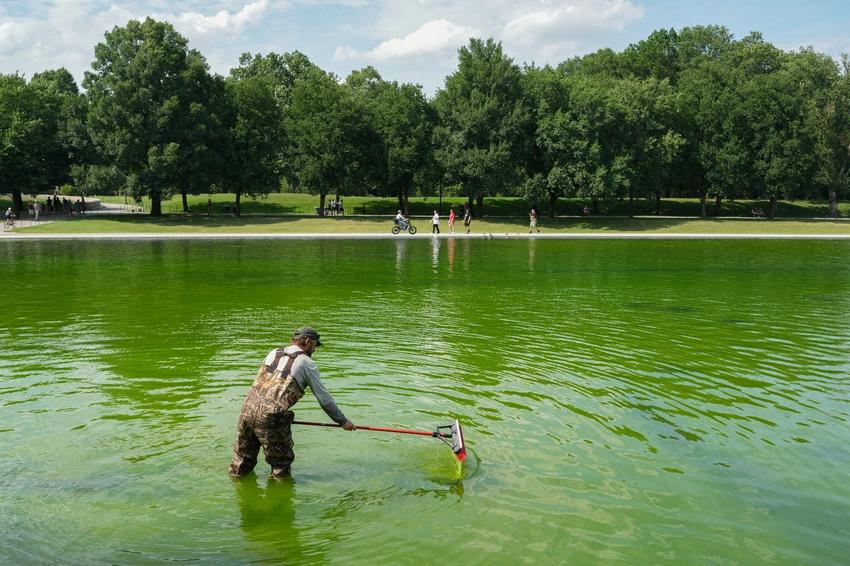
Let's get specific: we're talking about a cascade of problems plaguing the Reflecting Pool, from relentless algae blooms to unsightly peeling paint. This isn't just a minor cosmetic issue; it's a systemic failure to maintain one of our most recognizable public spaces. What's truly illuminating, however, is the battery of attempts made to remediate it – efforts that have, thus far, fallen short. We've seen everything from the chemical precision of hydrogen peroxide applications to the cutting-edge promise of nanobubblers, designed to aerate and purify the water on a microscopic level. Yet, the issues persist.
This situation isn't just about a pool; it's a microcosm of a larger phenomenon. The "Internet's Favorite Pool Guy" achieves viral status by simplifying complex problems, offering digestible content and seemingly magic bullet solutions. And for many common pool dilemmas, these insights are invaluable. But the Reflecting Pool presents a different beast entirely. It's a massive, shallow body of water in an urban environment, exposed to unique environmental stressors, varying sunlight, and potentially complex substrate issues contributing to the peeling paint. Its scale and public nature also mean that solutions aren't just about efficacy but also safety, environmental impact, and long-term sustainability.
The failure of individual, targeted solutions like hydrogen peroxide to completely eradicate the algae blooms, or the inability of nanobubblers to restore pristine conditions, points to a multi-faceted problem that requires a multi-faceted diagnosis. It highlights that true expertise isn't always about a single, clever hack, but often involves deep scientific understanding, continuous monitoring, and an iterative process of problem-solving. This isn't a homeowner's backyard pool; it's a monumental engineering and ecological challenge.
What this predicament teaches us is that while viral content educates and entertains, it often glosses over the brutal complexities of real-world application. It reminds us that fundamental scientific principles, persistent investigation, and perhaps even a multidisciplinary approach – involving hydrologists, material scientists, and environmental engineers, not just pool maintenance pros – are sometimes the only way forward. The Reflecting Pool saga is a compelling case study: even when the internet's most celebrated experts weigh in, some problems demand more than a viral solution. They demand meticulous, unglamorous, and often prolonged, real-world work.
