Let My Book Speak, Not My Face: Why Authors Shouldn't Be Content Creators
Let My Book Speak, Not My Face: Why Authors Shouldn't Be Content Creators
Why are we forcing writers to become social media stars just to sell a debut novel? It is time to reclaim the right to be a faceless creator and stop the branding madness.
The Right to Remain Faceless: Why We Need to Stop Forcing Debut Authors into Personal Branding
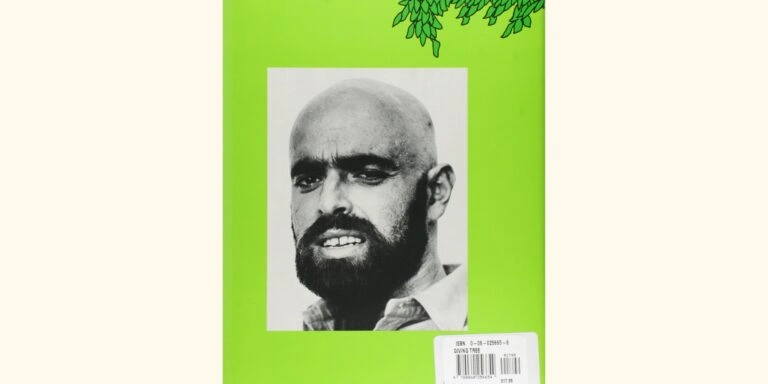
You just finished your first book. You spent years agonizing over every sentence, bleeding onto the page, and navigating the labyrinth of publishing. But now that the hard part is over, your publisher asks for one more thing: your headshot. Suddenly, your value as a writer isn't just about your prose; it is about your face, your aesthetic, and your ability to curate a personal brand on Instagram.
Why are we obsessed with knowing what a creator looks like?
The Performance of Being an Author
The modern literary world has become a beauty pageant in disguise. We are told that to sell books, we must be relatable, visible, and constantly online. We are expected to post selfies from our writing desks and share curated glimpses of our lives. But for many, especially those who are neurodivergent or simply private, this performance is a barrier to entry.
If a writer has late diagnosed ADHD or simply thinks differently than the traditional MFA crowd, the pressure to conform to social norms of visibility can be paralyzing. Some creators find that following the rules of craft is hard enough without having to follow the rules of influencer culture.
Art Should Speak for Itself
Here is a radical thought: the work should be enough. We have entered an era where the artist is the product, and the art is just the marketing material. This shift creates a massive disadvantage for certain groups:
- Introverts who express themselves best through text.
- Neurodivergent creators who find the social demands of branding exhausting.
- Authors who want their stories to exist independently of their physical identity.
Breaking the Rules
There is a certain type of imposter syndrome that comes with skipping the traditional path. You might feel like a bit of a literary rebel for not wanting to play the game, or for getting lucky despite ignoring the workshops and the networking. But if the work resonates, who cares if you have a professional headshot or a perfectly curated feed?
We need to move back to a world where the mystery of the author is a feature, not a bug. If someone wants to remain a ghost behind a keyboard, we should let them. Success should not be measured by how well you can pose for a camera, but by how well you can move a reader.
Let authors be writers again, not brands.
