Prince Andrew Arrest Sparks TV Satire on British Justice

Prince Andrew Arrest Sparks TV Satire on British Justice
Prince Andrew's arrest over misconduct in public office prompts global headlines and sharp late-night satire, raising questions about royal accountability amid Epstein-linked revelations.
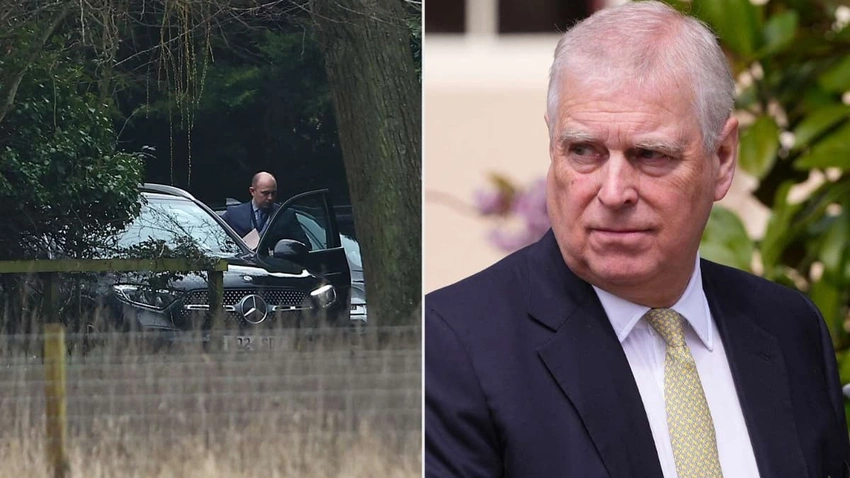
Stephen Colbert opened The Late Show by celebrating the arrest of Andrew Mountbatten-Windsor, noting that “finally someone, anyone” was being held accountable for their actions. “Let’s hear it for British justice,” Colbert declared to a chorus of cheers. Mountbatten-Windsor, the royal once known as Prince Andrew before being stripped of his titles by his brother King Charles, was detained on Thursday morning on suspicion of misconduct in public office. The arrest is tied to the Epstein files, which suggest he sent trade reports to Jeffrey Epstein in 2010, rather than addressing ongoing sexual-misconduct allegations, Colbert explained.
Colbert quipped that technically this arrest isn’t about pedophilia, and joked about how the so-called peace board run by Trump operates—“a greasy bag of money to Donald Trump” instead of binding resolutions. He added that a seat on the board costs $1 billion in cash and quipped, “The board works kind of like a strip club—cash only, and Donald Trump will never leave.” He then riffed on Barack Obama’s remarks about aliens, and noted Trump’s habit of answering questions about aliens with jokes about predators. A photo showing Trump with Epstein drew Colbert’s jab: “While Trump never talks about meeting aliens, we do know he’s had close encounters with predators.”
Mountbatten-Windsor's arrest follows decades of royal scrutiny and comes after he was stripped of his royal titles by King Charles III. The Epstein-files probe has dominated British public discourse as media coverage framed it as a landmark moment in accountability for a royal, an unusual stance in four centuries of monarchy. Reporting has continued, with updates noting the case as the first arrest of a senior British royal in nearly four centuries and, later, that he was released from custody following questioning.
Whatever the outcome, the episode crystallizes a moment of public reckoning around a royal linked to the Epstein investigation, and it raises questions about transparency, accountability, and how far such accountability extends within a constitutional monarchy.
