Can cinema define political success in Tamil Nadu?

Can cinema define political success in Tamil Nadu?
As Tamil Nadu mixes cinema with politics, experts debate whether film stars can win votes or if ideology still matters.
Tamil Nadu has long hosted a space for political outsiders beyond the two major Dravidian parties. Since 1972, the state has seen a steady share of votes from non-DMK forces, with groups like Congress, then MDMK, DMDK, NTK, and later celebrity entrants such as Vijay, Rajinikanth, and Kamal Haasan. This pattern isn’t new; it reflects a persistent segment of voters who prefer an alternative to the traditional parties, even if that preference hasn’t consistently translated into electoral wins.
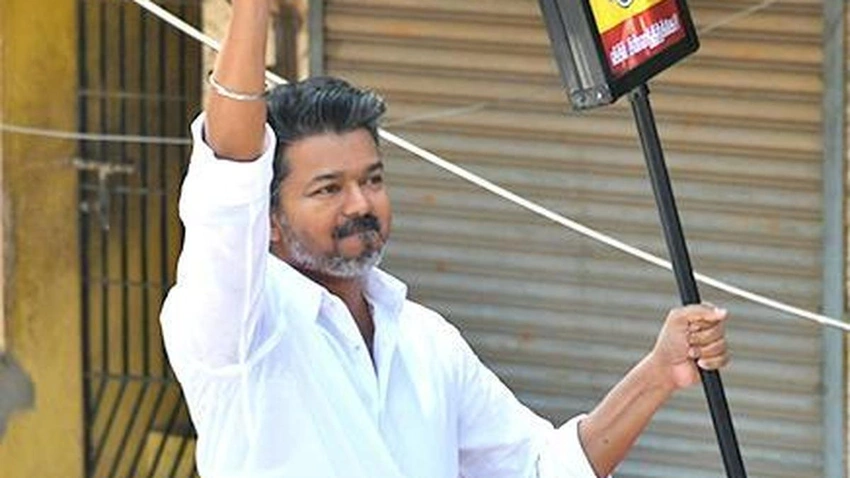
Vijay’s crowds tend to be youth-driven, suggesting a segment of society that has not been fully politicized and is willing to transfer loyalties to a cinematic figure who visually represents leadership. By contrast, director Seeman and his NTK pursue a clearer ideological space rooted in Tamil nationalism, actively building an ideological base. Vijay’s appeal often centers on heroism rather than a defined political program, highlighting a tension between a broad, emotionally charged following and a more doctrinal political stance.
Experts warn that a culture of hero worship risks an apolitical base where critical questions about governance are discouraged. This is not a new phenomenon in Tamil Nadu, but it raises questions about how far cinema’s star power can legitimately steer public discourse. The cinema-to-politics pipeline remains potent for mobilizing the young, yet it can also blur the line between entertainment and policy.
Corruption-focused platforms and anti-corruption pledges by actor-politicians are not new in the state's political arena. While such moves can shine a spotlight on governance issues, there is concern that the spectacle surrounding film stars may overshadow substantive policy debate. Elections will reveal whether cinema's influence endures as a meaningful political force or whether the region reverts to conventional party dynamics.
