Bangladesh Govt: Only 71 of 645 Minority Incidents Were Communal

Bangladesh Govt: Only 71 of 645 Minority Incidents Were Communal
Bangladesh's interim government says most 2025 minority cases were criminal, not communal, sparking debate over accountability and safety.
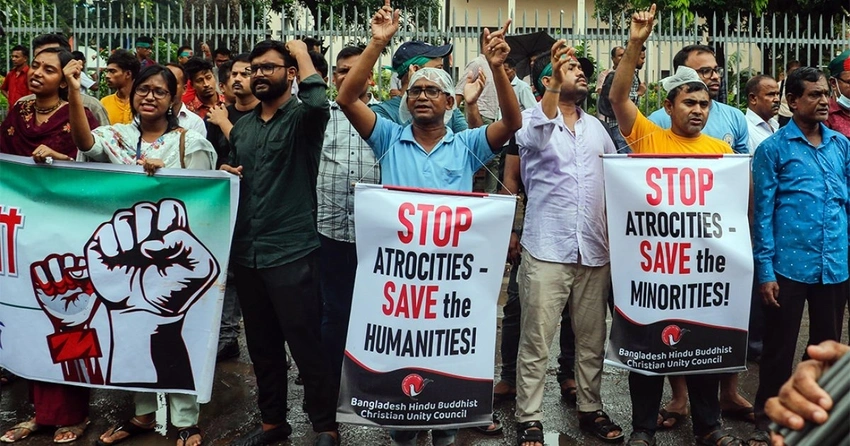
In Bangladesh, a heated debate over how to classify violence against minority communities has escalated as the interim government maintains that most 2025 incidents were criminal rather than communal. The administration reports 645 recorded incidents involving minorities that year, but only 71 are said to have religious motives, including temple vandalism and threats. This framing is central to current policy discussions about how to document and address hate crimes without inflaming tensions.
Yunus has defended the stance, arguing that precise classification helps prevent misinformation and ensures that authorities target real criminal activity rather than broad religious hostility. Officials emphasize that labeling incidents as criminal rather than communal allows for targeted investigations and accountability.
Nevertheless, minority groups and rights advocates challenge the assessment, warning that minimizing the religious dimension of violence can obscure the severity of the problem and delay protective measures. Critics say the 71/645 figure may understate the scope of hate-driven acts and could hamper justice for victims.
The debate comes amid broader tensions as Bangladesh faces security concerns and societal strains ahead of political cycles. Proponents of the government’s approach argue that clear data is essential to curb crime and maintain social order, while opponents call for independent verification, broader data collection, and transparent reporting to ensure vulnerable communities are safeguarded.
The conversation underscores the need for credible, nuanced reporting that centers victims’ experiences and recognizes the social dynamics at play, even as authorities seek to balance security with civil rights.
