Drought Devastates Wimpole Estate: Hay Shortage Hits Livestock & Fuels Climate Adaptation!

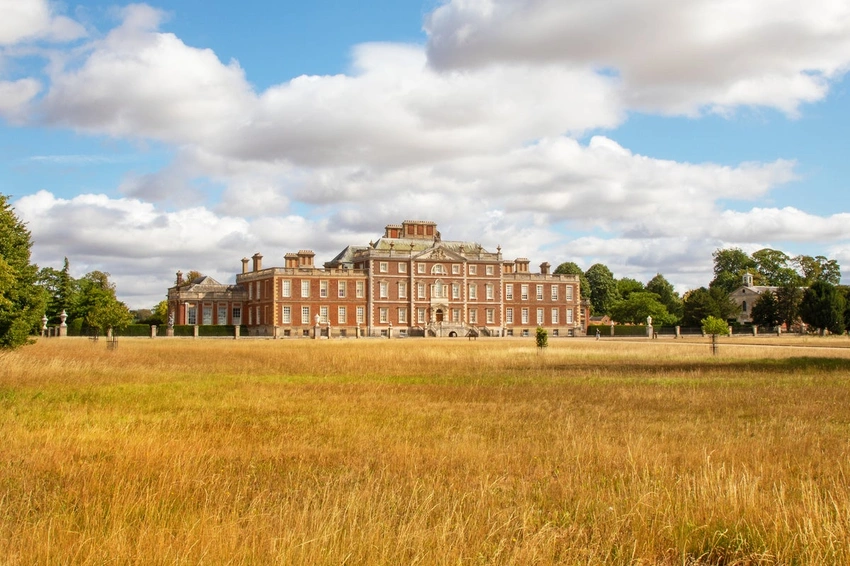
Drought Devastates Wimpole Estate: Hay Shortage Hits Livestock & Fuels Climate Adaptation!
Wimpole Estate faces severe hay shortage as drought impacts grass growth, forcing early winter feed for livestock. National Trust accelerates climate adaptation strategies to combat recurring dry conditions. #ClimateCris
Wimpole Estate in Cambridgeshire is grappling with a severe hay shortage, a direct consequence of persistent drought conditions that have dramatically stalled grass growth. The historic National Trust property, known for its extensive organic farm, reports a complete failure of its hay meadows this year, which typically yield a substantial 150 tonnes of feed.
This critical deficit has forced the estate to put its livestock on winter feed months earlier than usual, highlighting the immediate and pressing challenges posed by a changing climate.
It marks the third time in just five years that the estate has been hit by severe drought impacts. In response to these recurring challenges, conservationists at the National Trust are urgently accelerating a comprehensive programme of climate adaptation.
This includes vital initiatives such as widespread tree planting to enhance resilience, significant efforts to increase rainwater storage capabilities, and the implementation of conservation grazing practices designed to mitigate wildfire risks and support crucial habitat restoration.
Furthermore, selective breeding programmes are being utilized to help livestock better withstand and cope with increasingly dry conditions.
Dave Hassall, the National Trust's farm and countryside manager, emphasized the widespread repercussions of the drought. "Drought affects every part of the system, crops, grassland, livestock, wildlife and costs," Hassall explained.
He underscored the urgency, stating, "We're already using winter feed because summer growth simply hasn't happened." This situation at Wimpole mirrors broader pressures being felt across various farming systems, reinforcing the critical need for climate adaptation to safeguard food production, protect nature, and support rural communities.
The 1,200-hectare (3,000-acre) Wimpole Estate, recognized as the National Trust's largest organic in-hand farm, is experiencing significant agricultural setbacks beyond hay production. Grain yields have plummeted by approximately 25%, and straw production has seen a drastic reduction, falling from 200 bales to a mere 60.
The environmental toll is equally concerning: wildlife habitats are under immense pressure, with invasive species like ragwort and thistles rapidly spreading in the dry soil. Soil health is deteriorating, evidenced by widespread cracking, and even established veteran trees are showing clear signs of stress.
These disrupted weather patterns are creating a cascade of ecological and agricultural challenges that demand immediate and long-term adaptive solutions.
#DroughtCrisisUK #ClimateAction #NationalTrustNews #WimpoleDrought

Login to comment.
No thots yet. Be the first to share your thoughts!