Kim Jong Un's Teen Daughter Seen as Heir to North Korea

Kim Jong Un's Teen Daughter Seen as Heir to North Korea
Rumors grow that Kim Ju Ae, the leader's teenage daughter, is being groomed to become North Korea's next ruler, signaling a potential fourth-generation dynasty.
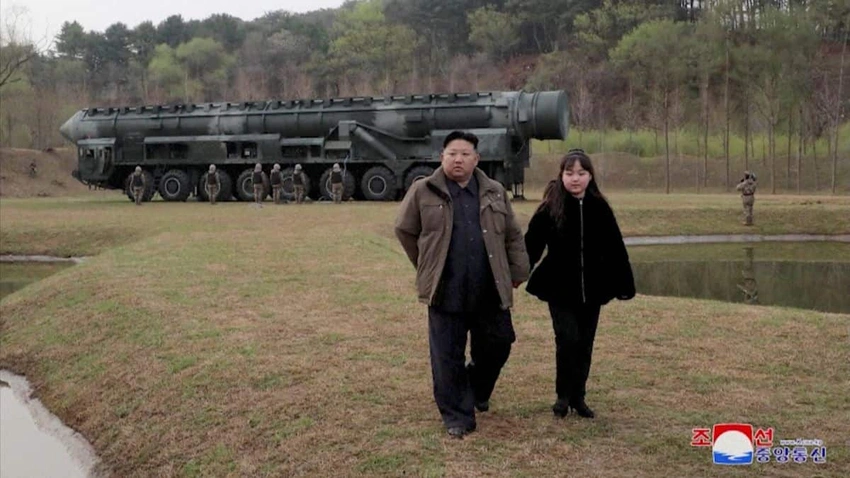
Speculation is mounting that Kim Jong Un has chosen his teenage daughter, Kim Ju Ae, as his heir, signaling a potential fourth generation in North Korea's ruling family. While there has been no official confirmation, regional intelligence and media reports have highlighted her rising public profile at major events and state functions. The development would mark a historic shift in a regime long defined by a monolithic leadership culture and tightly controlled succession narratives.
To understand what this could mean, it helps to look back at the dynastic framework Kim Jong Un inherited. The Kim family has governed the DPRK for decades, beginning with Kim Il Sung, who founded the state and cultivated a personality cult that revered the Kim lineage as a pillar of national identity. The father-to-son transfer of power has been both a political strategy and a symbol of continuity, with public messaging emphasizing loyalty to the dynasty and the state’s self-reliance doctrine.
South Korea’s intelligence assessments and regional observers have pointed to Ju Ae’s more visible role in public life—attending military events and even a mausoleum visit—as indicators that grooming for leadership could be underway. If substantiated, the move would push the country toward a new generation of leadership while preserving the lineage’s central role in governing North Korea’s political and ideological system.
Analysts caution that it is difficult to verify such claims given North Korea’s closed information environment. Still, the pattern of public appearances, combined with the regime’s history of cultivating a familial leadership cult, suggests a deliberate effort to normalize the idea of a female successor within the state’s power structure. How this would affect internal power dynamics, policy directions, and regional diplomacy remains uncertain, but observers are watching Pyongyang closely for any official confirmation or further signals from the regime.
As the world weighs the implications, one thing is clear: a potential fourth-generation dynasty would redefine how North Korea presents leadership to its people and to the international community, inviting renewed scrutiny of succession norms in one of the world’s most opaque political theaters.
