Musk vs Altman: OpenAI Battle Heats Up in Oakland Trial

Musk vs Altman: OpenAI Battle Heats Up in Oakland Trial
Elon Musk escalates his OpenAI clash as jury selection begins in Oakland, urging billions to support the nonprofit arm and a leadership shakeup.
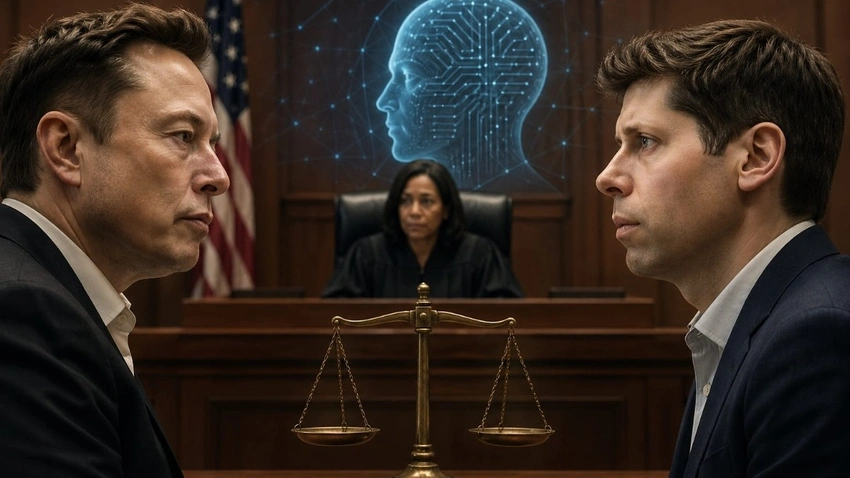
In a courtroom showdown set in Oakland, the high-stakes feud between Elon Musk and Sam Altman over OpenAI’s future took a sharp turn as jury selection kicked off. Musk, who has long accused OpenAI’s leadership of betraying the charity’s original mission, intensified his rhetoric in a post on X, labeling Sam Altman as "Scam Altman" and OpenAI president Greg Brockman as "Greg Stockman." He argued that the leadership had siphoned off billions of stock and created profitable deals at the expense of the public good.
OpenAI quickly dismissed the lawsuit as baseless and driven by rivalry, stating the case mischaracterizes the nonprofit structure and the way OpenAI operates. The filing centers on a request for damages totaling roughly $134 billion, with Musk saying the money should go to OpenAI’s non-profit arm rather than to him personally. He has also floated the possibility of removing Altman as CEO, a demand that would shake the leadership of the company behind several AI breakthroughs.
In the courtroom on April 27, 2026, jurors were selected and opening arguments were anticipated to lay out the legal questions, including charitable stewardship, governance, and whether the structure of OpenAI allows for the kind of profits the company generates today. The case tests broader questions about how tech icons shape nonprofit and philanthropic models in the fast-moving AI era. Supporters on both sides lined up outside the courthouse, drawing attention from investors, tech watchers, and labor groups curious about the implications for funding research and ensuring the “public good” remains central.
Legal experts say the outcome could reshape how digital charities operate and how founders balance public missions with ambitious profit strategies. If Musk succeeds in pushing for a substantial damages award or a leadership shakeup, it could signal a sharp retreat from the ideal of AI development aligned with broad societal benefits. If OpenAI holds the line, the case could still influence governance norms and fundraising approaches for large AI labs. As the trial proceeds, observers will watch not only the legal arguments but also the reputational battle that continues to unfold across social media and boardrooms alike.
