Why Your Messy Home Stresses You Out - And How to Fix It

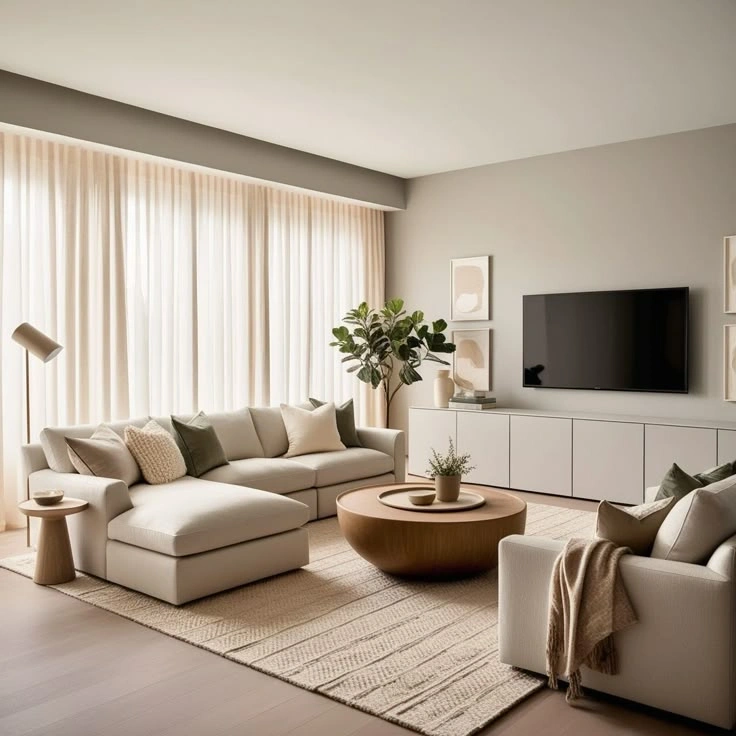
Why Your Messy Home Stresses You Out - And How to Fix It
Discover how physical clutter creates cognitive overload, elevating your stress hormones. Learn why a clean space isn't just tidy, it's a calm sanctuary for your nervous system.
It's a sensation we all recognize, whether we admit it or not. You walk into a room-a kitchen piled high with dishes, a living room strewn with mail and forgotten items-and feel a subtle, almost imperceptible tightening in your chest. Then, imagine stepping into the same room, but everything is in its place, surfaces are clear, and the air feels…lighter.
The difference isn't just aesthetic; it's a profound shift in your psychological landscape.
The Clutter-Brain Connection
Our brains are remarkably efficient, yet highly susceptible to visual input. When faced with a cluttered environment, our minds work overtime to process all the extraneous stimuli. It's a genuine cognitive overload.
Princeton University researchers, for instance, have shown that physical clutter in your surroundings competes for your attention, resulting in decreased performance and increased stress. Your brain is constantly scanning, categorizing, and trying to make sense of the chaos, even if you're not consciously aware of it.
This constant barrage of visual information elevates your baseline cortisol levels-the body's primary stress hormone. Think of it as a low-grade, persistent alarm bell ringing in the background. It doesn't necessarily trigger a full-blown panic attack, but it keeps you in a heightened state of alertness, draining your mental energy and making it harder to relax, focus, or even make simple decisions.
Order as a Primal Comfort
The desire for order isn't just a modern neurosis; it's deeply ingrained.
For our ancestors, a clean and organized space likely meant safety-fewer hiding places for predators, clear paths for escape, and visible resources. Today, while the dangers are different, the psychological need for control and predictability remains.
A tidy space provides a sense of mastery over our immediate environment, fostering feelings of security and reducing anxiety. It's a tangible representation of internal calm, offering a silent assurance that things are, at least here, under control.
My friend Sarah, for example, used to joke that her apartment was “organized chaos.” But after a particularly stressful period at work, she decided to tackle her perpetually messy desk. “It was like clearing out a mental fog,” she told me. “Suddenly, I could think straight, and even my breathing felt easier.” It speaks volumes to how our external world profoundly shapes our internal state.
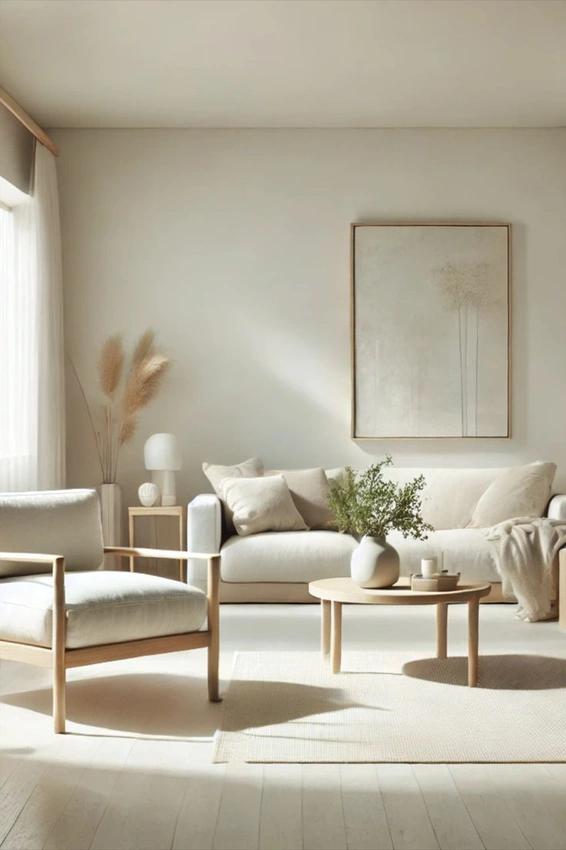
The Ripple Effect of Sanctuary
When your home or workspace becomes a sanctuary, the benefits extend far beyond immediate relief. A calm environment frees up cognitive resources, allowing for greater creativity, improved problem-solving, and enhanced emotional regulation.
You're less reactive, more patient, and generally more present.
This positive shift can subtly improve relationships, boost productivity, and even encourage healthier habits, as a serene space often inspires a more serene lifestyle.
It’s not about achieving magazine-perfect decor, but about creating functional spaces that support your well-being. Even a small, organized corner-a neat bedside table or a clear kitchen counter-can act as an anchor point for your nervous system, a mini-retreat from the world's demands.
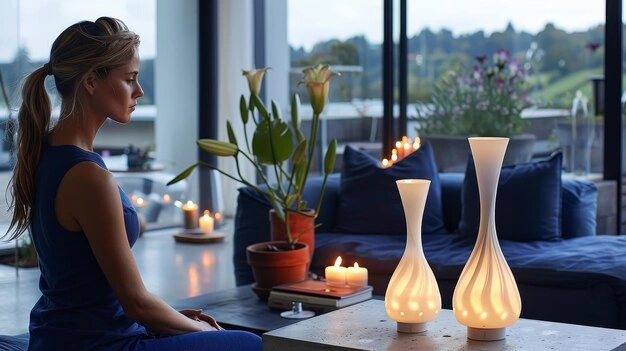
Cultivating Calm, One Corner at a Time
So, where to begin? Start small. Pick one area that causes you the most visual distress and commit to decluttering it.
Don't aim for perfection overnight, but for progress.
The act of organizing itself can be meditative, a mindful practice that reconnects you with your surroundings.
Remember, this isn't about striving for an impossible ideal; it's about understanding that your environment is an extension of your mind.
By cultivating beauty and order in your physical space, you are actively cultivating peace within yourself.
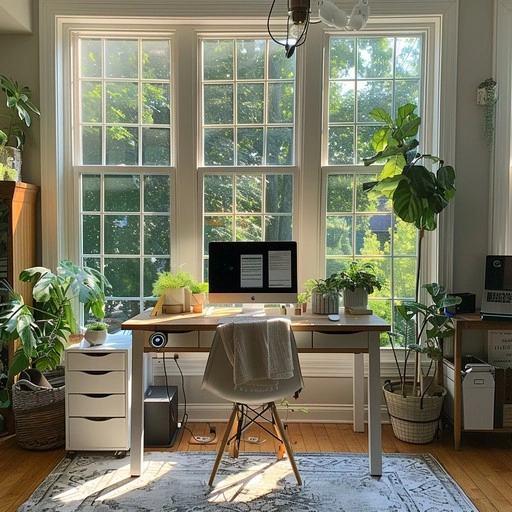
Beyond the Dust Bunnies: A Path to Inner Peace?
The connection between external order and internal calm is a powerful one, often underestimated.
In an increasingly chaotic world, our personal spaces offer a unique opportunity to reclaim a sense of serenity and control.
By honoring the profound impact our surroundings have on our nervous systems, we can transform our homes from sources of subtle stress into true havens for our minds.
Isn't that a beautiful idea?
