Gold Coast tensions rise as Iran women’s team seeks asylum

Gold Coast tensions rise as Iran women’s team seeks asylum
Iran's women footballers face safety fears and a looming asylum decision in Australia after the Asian Cup anthem controversy, prompting international calls and protests.
The Iranian women’s football team arrived in Australia amid heightened tension after their Asian Cup opener sparked controversy over singing the national anthem. Fears of persecution back home have grown in parallel with urgent calls from international voices for Australia to grant asylum to the players, placing the country at the center of a high-stakes humanitarian and political moment. The situation has drawn in public figures and sparked intense debate about athletes’ safety, asylum policy, and the power of symbolic acts on the world stage.
In the weeks since the anthem incident, security concerns have intensified. Campaigners and human rights advocates argue that returning to Iran could expose the players to retaliation, while others question how asylum requests should be weighed given the athletes’ obligations to their country. Amid these worries, Australian authorities have reiterated the need to balance national security with humanitarian protection, stressing that each case will be assessed on its merits as the team nears the end of their time in the country.
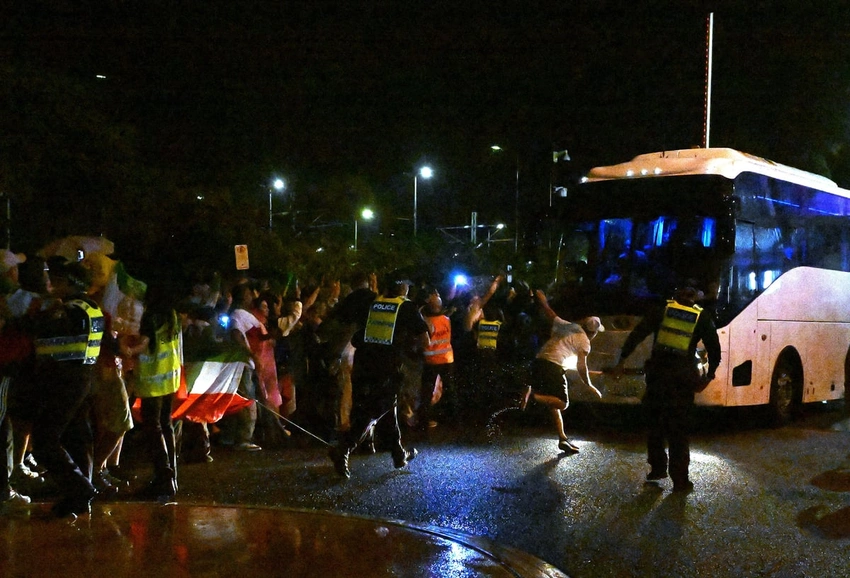
The team’s time in Australia has also been marked by chaotic public scenes, including crowds pursuing a team bus on the Gold Coast in a display of fervent concern. Iranian authorities have previously labeled the players as dissidents in connection with the gesture, amplifying the sense of urgency around their safety and future. With the team’s return to Iran looming, advocates warn that delays in decision-making could leave the athletes exposed, while supporters insist that granting asylum would send a clear message about protecting athletes who face political backlash for personal choices.
Amid the competing pressures, international voices have pressed for decisive action. If asylum is granted, it would set a significant precedent for how nations protect athletes who become symbols in broader political conflicts. If not, the players may face a precarious path home, underscoring the delicate balance policymakers must strike between immigration policy, diplomatic optics, and human rights.
As the clock runs down on the team’s stay in Australia, observers say the case will likely shape debates over refugee protections and the handling of politically charged gestures in sport. Officials say they will continue to monitor the situation closely and prioritize safety while considering all humanitarian avenues. The world is watching how Australia and its allies respond to a moment that blends sport, politics, and the universal need for protection.

Login to comment.
No thots yet. Be the first to share your thoughts!