Echo Chamber: Jason Eady Unearths the Tulsa Sound's Magic

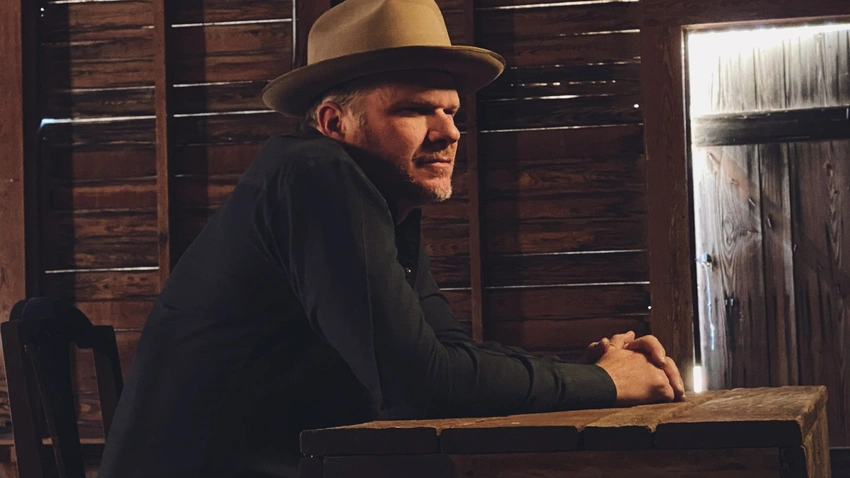
Echo Chamber: Jason Eady Unearths the Tulsa Sound's Magic
Jason Eady's new album 'Tulsa Turnaround' celebrates the legendary Tulsa Sound, proving that iconic music never truly fades away. Discover how artists like J.J. Cale and Leon Russell's legacy lives on.
It's a common misconception that once a musical genre or scene fades from mainstream view, it's gone for good. But the truth is, music has an incredible way of finding new life, echoing through generations until a fresh ear or an inspired artist decides it's time to amplify that sound once more.
This phenomenon is perfectly encapsulated in the work of singer-songwriter Jason Eady and his latest album, Tulsa Turnaround , which resurrects the distinctive 'Tulsa Sound' for a new era.
For those unfamiliar, the Tulsa Sound is not merely a geographic descriptor; it's a vibrant, genre-bending mix of folk, blues, and rock that blossomed in Oklahoma back in the 1960s. Pioneered by legends like J.J. Cale and Leon Russell, this unique blend eventually captivated the likes of Eric Clapton, who helped popularize it globally a decade later.
It's a sound rooted in authenticity, characterized by a laid-back groove and a soulful, often understated complexity.
Eady, known for his traditional, lyrics-first country approach, made a deliberate shift with Tulsa Turnaround .
He's not just covering old tunes; he's creating an entirely new body of work, 10 of the 11 tracks are originals, that channels the spirit and essence of the Tulsa Sound. He openly admits, “I'm not trying to say too much, or get too much meaning into these songs.
I just want to let them live and let them feel good and let the music carry it.” This 'music-first' philosophy is precisely what made the original Tulsa Sound so compelling and is a key ingredient in its contemporary revival.
Collaborating with Oklahoma native and keyboardist John Fullbright, who also produced the project, Eady immerses listeners in the scene's rich history. The album's title track itself is a masterclass in tribute, name-dropping icons like J.J. Cale, Leon Russell, the Gap Band, and even the legendary venue Cain's Ballroom, all set over a bluesy riff with choir-like backing vocals.
The chorus, “I'm doin' that Tulsa Turnaround/Lord have mercy, what a sound,” is a testament to the infectious nature of the style. Interestingly, Eady's “Tulsa Turnaround,” co-written with Ray Wylie Hubbard, deliberately distinguishes itself from the old Kenny Rogers and the First Edition tune, which was actually about an Omaha sheriff.
What Eady is doing isn't just nostalgia; it's an active reinterpretation and preservation.
He's demonstrating how forgotten sounds don't need direct mimicry to be relevant again. Instead, artists can absorb the vibe , the ethos , and the musical language of a past movement, then filter it through their own creativity to produce something fresh yet deeply familiar.
This conscious effort to celebrate and evolve a regional sound ensures that the musical conversation continues, inviting new audiences to discover the foundational artists while appreciating the contemporary spin. It's a powerful reminder that truly great music transcends time, always waiting for the right moment, and the right artist, to bring it back into the light.
