Iran Denies Claims: Will Nuclear Inspectors Return Amidst US Sanctions Waiver?
Iran Denies Claims: Will Nuclear Inspectors Return Amidst US Sanctions Waiver?
Tensions rise as Iran denies US VP JD Vance's claims of allowing nuclear inspectors, despite a temporary sanctions waiver on Iranian oil. What's next for the US-Iran deal?
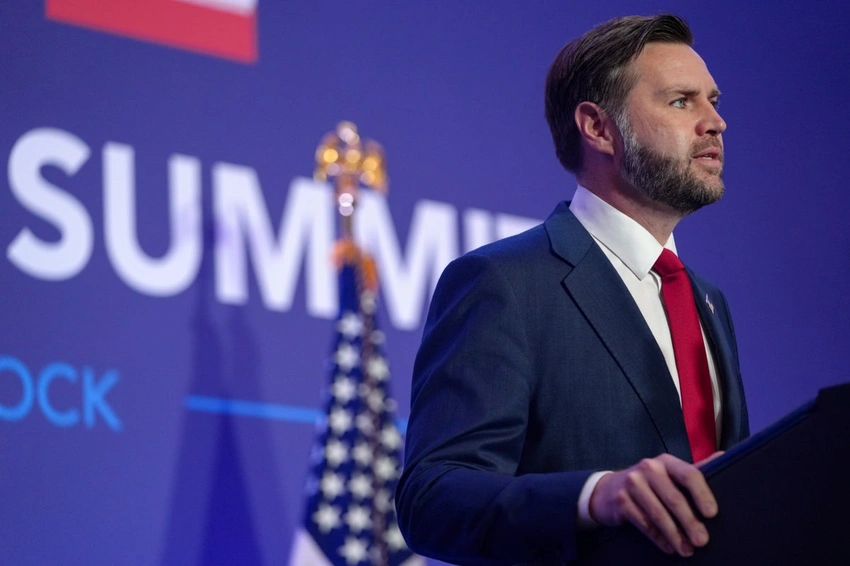
Washington D.C. and Tehran are at odds following the first round of peace talks in Switzerland, as Iran has vehemently denied claims made by US Vice President JD Vance regarding the return of international nuclear inspectors. Vance had stated that Iran would allow nuclear inspectors back into the country, possibly "as soon as today," after what he described as a "very good foundation" laid during discussions.
However, Iran's foreign ministry swiftly countered these assertions through state media, declaring that Tehran has made "no new commitments" concerning nuclear inspections. This stark contradiction casts a shadow of uncertainty over the recent diplomatic engagements aimed at reaching a final deal to end the conflict.
The talks, held in the picturesque Swiss resort of Bürgenstock, were accompanied by a significant development: the US temporarily waived sanctions, enabling Iran to sell oil in US dollars for the first time in decades. This 60-day waiver, issued by the US Treasury, effectively dismantles key components of Washington's long-standing embargo on Tehran. It authorizes the production, sale, and delivery of Iranian crude and petrochemicals until August 21, even allowing direct import into the US under this sanctions relief. Furthermore, it unlocks crucial banking transactions, insurance, and transportation services that were previously restricted.
According to US Treasury Secretary Scott Bessent, this substantial sanctions relief was granted in exchange for Iran's commitment to keep the vital Strait of Hormuz open and, crucially, to allow International Atomic Energy Agency (IAEA) nuclear inspectors back into the country. Vance also highlighted discussions about the reopening of the Strait of Hormuz and "de-confliction for the regional ceasefire" during the talks.
Mediators Qatar and Pakistan released a joint statement confirming that following the initial round of negotiations, the US and Iran have agreed on a "roadmap towards reaching a final deal within 60 days." Despite this outlined path towards an agreement, the immediate disagreement over nuclear inspections highlights the deep-seated mistrust and complexities that continue to challenge the diplomatic process between the two nations.
