Franklin's Secret Stash? Banned Books and Our Risqué Library History

Franklin's Secret Stash? Banned Books and Our Risqué Library History
Benjamin Franklin, censorship, and 1,500 volumes of 17th-century sexuality? The Library Company of Philadelphia just got a spicy addition, forcing us to rethink what belongs on our shelves and how history's rebels shaped
It’s a tale as old as books themselves: what we deem acceptable for public consumption, and what gets relegated to the shadows. Yet, delve into the history of institutions like The Library Company of Philadelphia, created in 1731 by none other than Benjamin Franklin, and you quickly discover that the line between proper and provocative has always been deliciously blurred.
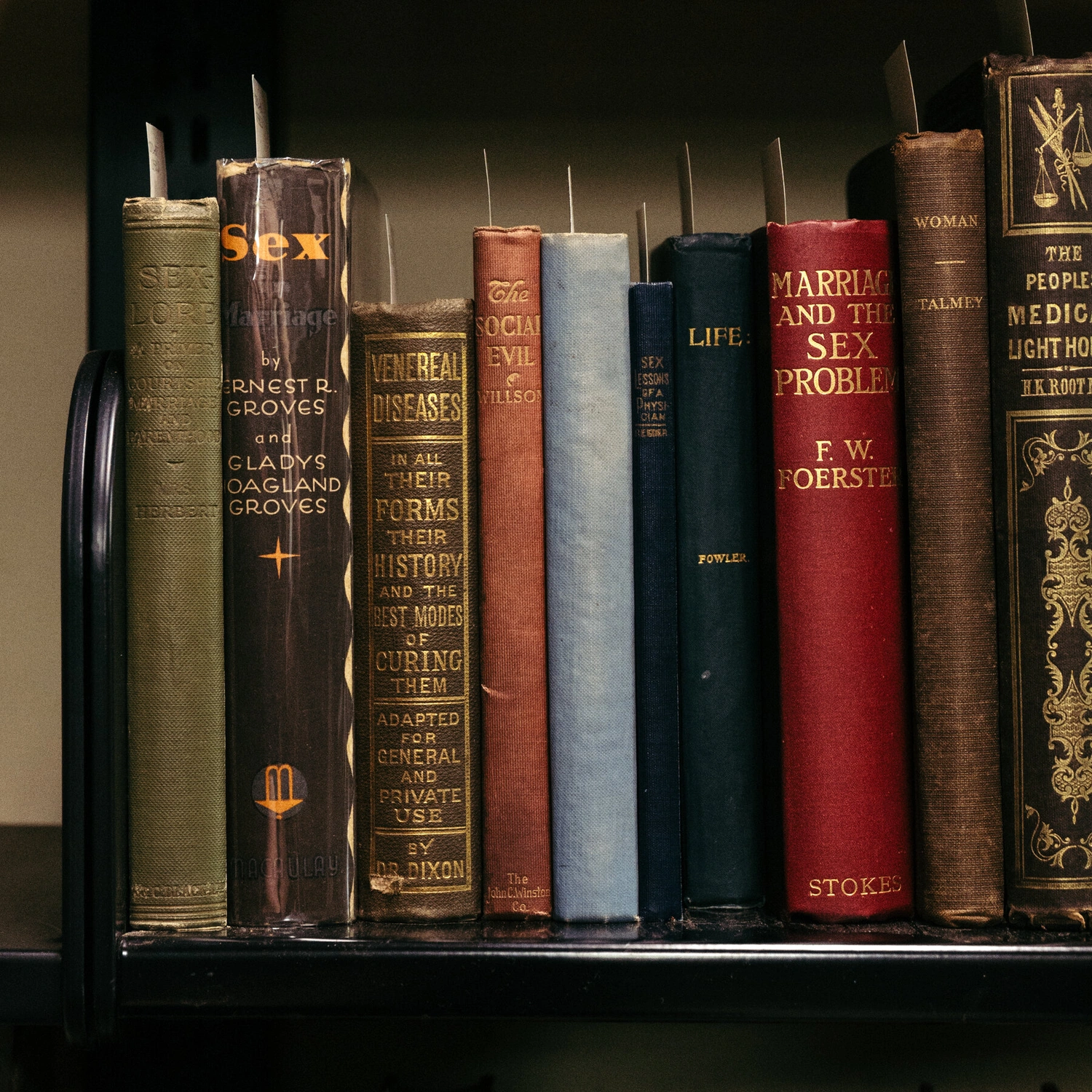
Recently, a remarkable gift landed at the Library Company: 1,500 volumes focusing on sexuality, some dating as far back as the 17th century. This isn't just an acquisition; it's a vibrant, physical testament to an often-overlooked facet of our collective past and a powerful reminder that "banned books" are not a modern phenomenon.
Franklin's Legacy of Open Inquiry
Benjamin Franklin was a man of insatiable curiosity, a printer who understood the power of the written word to inform, to provoke, and sometimes, to titillate. His original vision for the Library Company was revolutionary for its time: a place where knowledge, in all its forms, could be shared among citizens. Did he envision a collection of risqué literature? Perhaps not explicitly, but his spirit of open inquiry certainly paved the way for such comprehensive and, to some, controversial, collections.
The Enduring Battle Against Censorship
This recent addition forces us to confront the enduring tension between intellectual freedom and societal norms. For centuries, texts exploring human sexuality have been prime targets for censorship. They’ve been hidden, burned, and deemed unfit for public eyes. Yet, history consistently shows us that these efforts rarely succeed in erasing knowledge; they merely drive it underground, making its eventual reappearance all the more potent.
- Historical Context: These 17th-century volumes aren't just curiosities; they are invaluable historical documents that shed light on societal attitudes, scientific understanding, and cultural practices surrounding sexuality in earlier eras. To censor them would be to erase a vital part of the human story.
- Modern Relevance: In an age where "banned books" are back in the headlines, this collection offers a powerful historical counter-narrative. It underscores the fact that what one generation finds scandalous, another recognizes as essential scholarship.
The Library Company of Philadelphia, with its deep roots in American enlightenment, stands as a beacon. By embracing these 1,500 volumes, it reaffirms its role not just as a repository of knowledge, but as a protector of the full, complex, and sometimes scandalous, human record. Franklin, ever the pragmatist and proponent of enlightenment, would surely approve of a library that truly collects everything.
