Musk vs Altman: Inside the OpenAI Trial's High-Stakes Showdown

Musk vs Altman: Inside the OpenAI Trial's High-Stakes Showdown
As a landmark AI governance case plays out in court, tech titans face off over OpenAI's nonprofit roots and personal investments.
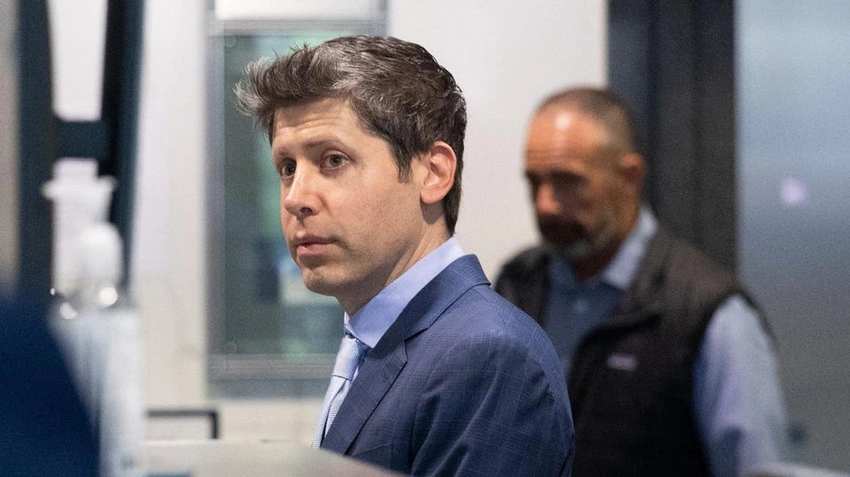
In a San Francisco courtroom, a high-stakes trial pits Elon Musk against Sam Altman and OpenAI in a dispute over the nonprofit mission of the AI giant. The case has already begun to pull back the curtain on how the company is run and how its ambitions align with its corporate structure. The crux of Musk's lawsuit is that Altman and OpenAI abandoned their mission as a nonprofit, a claim that has sparked a broader debate about the governance of AI research and the funding that sustains it.
On the witness stand, Altman is expected to address questions about his personal financial interests and how they relate to his role at OpenAI. He is reported to be under investigation for his personal investments, and will testify today in the trial. One notable disclosure is that Altman owns a significant stake in Helion Energy, reportedly one third of the company, valued at about $1.65 billion. The line between personal ventures and the leadership of a prominent AI lab is at the heart of the testimony and the arguments offered by both sides.
Observers say the drama is about much more than personalities. It touches on governance, nonprofit status, and the difficult choices facing AI researchers and investors as they balance mission with market forces. The proceedings may illuminate decision-making processes at OpenAI and offer a preview of how such tensions could shape the future of AI startups and research funding. While the courtroom rhetoric is heated, the underlying questions are technical and policy-driven: what should guide the direction of AI development, and who holds the power to steer those decisions?
As the trial unfolds, lawyers for Musk will press for clarity on OpenAI's mission and the transformations that have occurred since its nonprofit beginnings. Supporters of Altman and OpenAI argue that the structure enables rapid innovation, while critics worry about overreach and the potential conflicts of interest that can come with personal stakes in related ventures. The next rounds of testimony are anticipated to provide more context about governance, finances, and the strategic choices shaping one of the most influential AI labs in the world.
