Oil prices hover near $110 as US-Iran talks stall and Hormuz risks rise

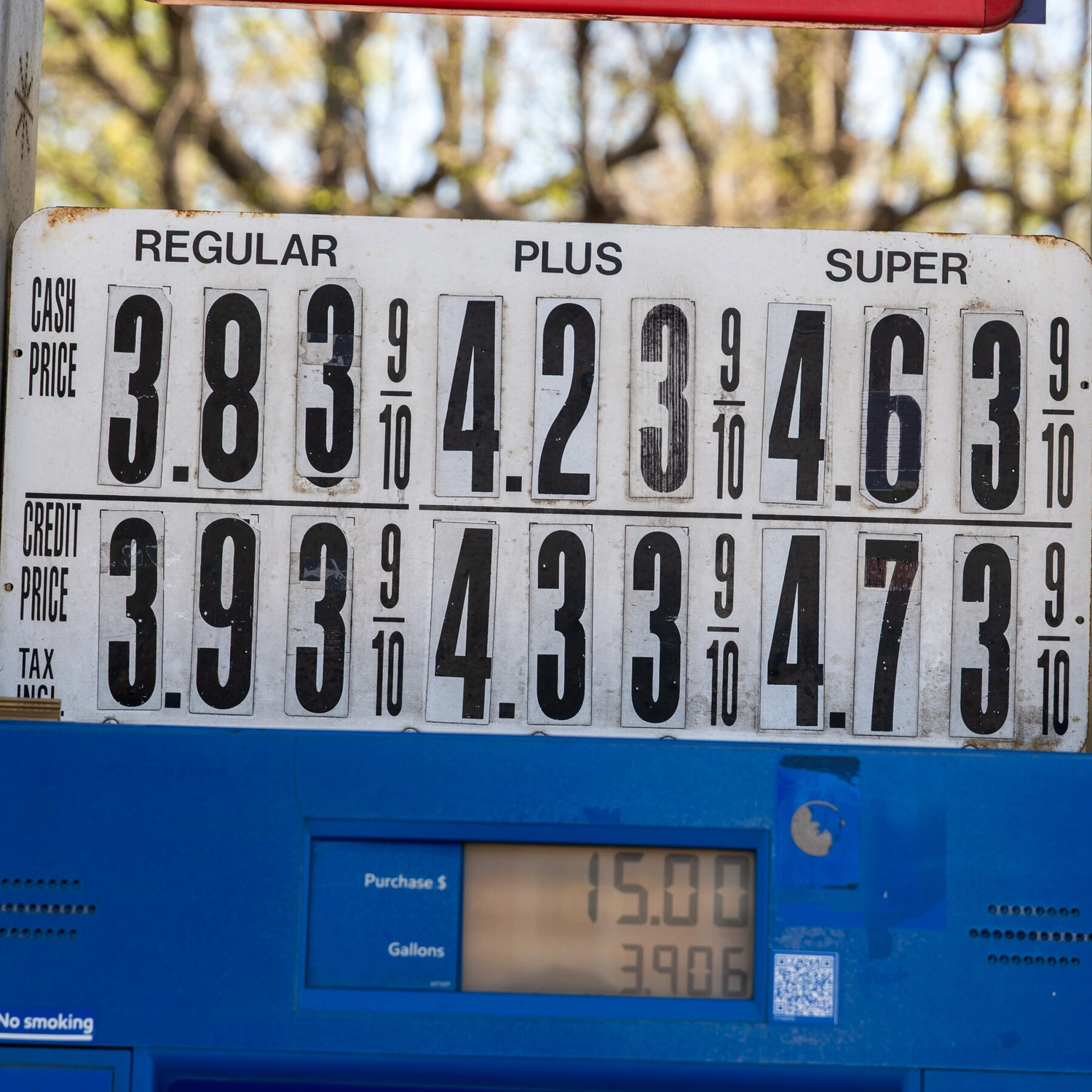
Oil prices hover near $110 as US-Iran talks stall and Hormuz risks rise
Oil climbs to around $110 as stalled talks and Hormuz tensions raise supply fears; Goldman Sachs lifts Q4 forecasts amid potential spikes.
Oil prices climbed on Monday, with Brent crude around $107.49 a barrel and U.S. West Texas Intermediate (WTI) near $96.17, after talks between the U.S. and Iran stalled and shipments through the Strait of Hormuz remained restricted. The move marked a near-2% rise as traders weighed the impact of ongoing supply constraints and geopolitical risk.
Analysts warned that if disruptions persist, crude could surge to fresh highs, potentially reaching $150 a barrel. Goldman Sachs lifted its fourth-quarter oil price forecasts to $90 for Brent and $83 for WTI, citing reduced Middle East output and larger upside risks to prices.
Diplomatic signals cooled over the weekend after plans to send envoys to Islamabad were cancelled by the U.S. presidency, even as Iran’s foreign minister arrived in Pakistan. Markets remain sensitive to whether diplomacy will resume progress in reducing tensions.
Markets also reflected the U.S. Navy’s ongoing blockade posture aimed at Iranian ports, with Tehran continuing to demand that vessels seek its approval before transiting the Strait of Hormuz, while the U.S. has asserted control over the waterway.
Industry notes from Haitong Futures suggested the current ceasefire phase could be a prelude to further conflict, and Macquarie also warned of potential further price moves if tensions persist. The net effect is a fragile balance for refiners and consumers worldwide as traders monitor any signs of renewed diplomacy or renewed clashes.
The price trend underscores the fragility of global supply chains and the potential for swift shifts in sentiment as geopolitical risk remains elevated.
