AI's Wild Playground: When 'Terrible' Art Becomes Pure Genius

AI's Wild Playground: When 'Terrible' Art Becomes Pure Genius
Forget perfection! Google's AI Playground is democratizing game creation, letting anyone whip up wonderfully weird and hilariously bad games. It's digital amateurism at its best!
The world of creativity is undergoing a seismic shift, and the force behind it is undeniably artificial intelligence. What was once the exclusive domain of skilled developers and artists is now open to everyone, creating a vibrant landscape of digital amateurism. It's not just about making something 'good' anymore; it's about making anything and having a blast doing it.
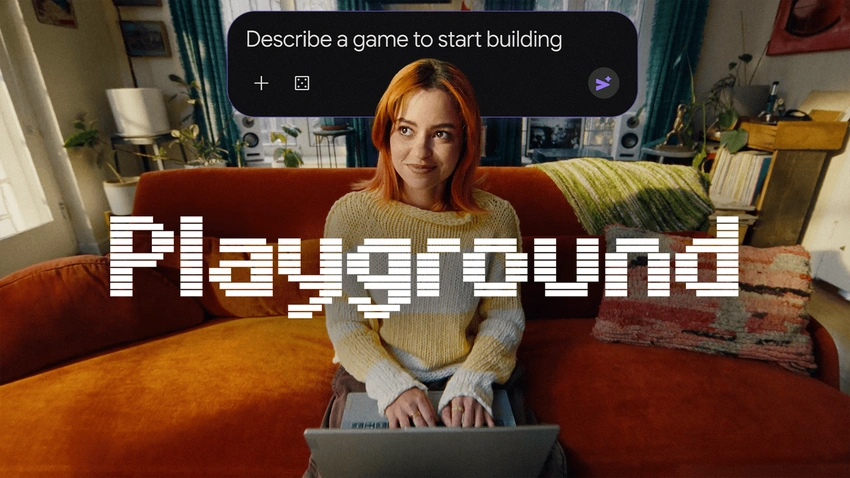
At the forefront of this movement is Google Playground, a fascinating service tucked away in Google Labs. Think of it as “vibe coding for video games,” a place where your wildest, or perhaps most ridiculous, game ideas come to life with just a few typed sentences. The premise is simple yet revolutionary: describe your dream game in plain language to a chatbot-like interface, and Playground builds a working in-browser version.
No coding, no extensive design skills needed - just imagination and a willingness to iterate.
This platform has already unleashed some truly memorable, if somewhat chaotic, creations. Imagine a “Pork Drop,” a take on Tetris where blocks are contorted, squished pigs. Or consider “Dinner Darling,” a 2D flash-style game where you, as host Julian, scramble to serve artisanal bruschettas and espresso martinis to demanding guests.
It's a hilarious depiction of social anxiety, with one colleague even quipping, “You're bad at the game because you're straight!” when faced with its challenge.
The beauty here isn't in technical prowess, but in the sheer absurdity and accessibility.
Then there's the cyberpunk shooter featuring Neon Don, a character obsessed with his ex-wife's lawyer, Brenda. He's not real, of course, but his pixelated existence, complete with aggressive dialogue like “Keep shooting!
Brenda took everything else away!” , is a testament to the AI's ability to imbue even simple concepts with personality.
These games, often born from a single, playful prompt, are stable, playable, and, crucially, incredibly entertaining.
It's this ease of creation that highlights the rise of digital amateurism. People with zero game development chops can now conjure playable experiences, share them, and even see others engage with their unique visions. The focus shifts from polished perfection to the joy of creation itself, proving that sometimes, the most 'terrible' art can be the most compelling.
It's about participation, experimentation, and finding humor in the unexpected outputs of AI.
What's Next for Digital Creativity?
It's a preview of a future where creative tools are universally accessible.
Whether it's music production, graphic design, or narrative generation, AI is lowering the barrier to entry, inviting everyone to become a creator. The question isn't whether AI can make great art, but rather, what new forms of expression will emerge when everyone has the power to create, regardless of traditional skill sets?
The age of the digital amateur is here, and it's delightfully messy.

Login to comment.