Slow Fashion: Why Buying Less Means Dressing Better
Slow Fashion: Why Buying Less Means Dressing Better
Why buying fewer, better clothes beats a wardrobe full of fast fashion — and five simple steps to start.
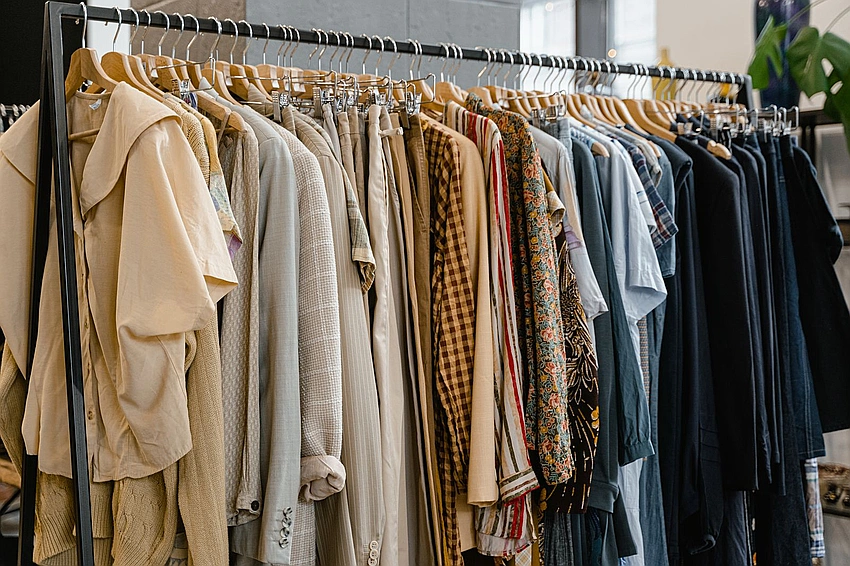 Open your wardrobe. How many of those clothes do you actually wear? For most of us, the answer is: not that many. We buy more than we need, wear less than half of it, and still feel like we have nothing to wear. That is fast fashion at work. Slow fashion is the opposite. It is simple. Buy less. Choose better. Wear it longer.
What Is Slow Fashion?
Slow fashion means thinking before you buy. It means choosing clothes that last, made in a fair way, from materials that do not harm the planet.
It is not about spending more money. It is about spending it better. A good shirt you wear 100 times costs less per wear than a cheap one you throw away after five washes.
My favourite shirt is five years old. It is a simple white cotton shirt. I bought it for a family wedding, and I have worn it so many times I cannot count.
Last year the collar started to fray. My mother fixed it with a small stitch. It still looks good, and every time I wear it, someone asks where I bought it. That shirt taught me something simple: the best clothes are not the newest ones. They are the ones you keep.
Why It Matters?
WATER. Making one cotton t-shirt takes about 2,700 litres of water. That is enough drinking water for one person for more than two years. One t-shirt.
WASTE. Experts estimate that around 92 million tonnes of textile waste is created every year. Much of it ends up in landfill. A lot of it is clothes that were barely worn.
PEOPLE. Many clothes are made by workers who are paid very little and work in poor conditions. When we buy less, and choose brands that treat their workers fairly, we help change that. Our money is a vote.
None of this means you have to stop loving fashion. It just means loving it in a smarter way
Five Simple Steps to Start
1. Buy less, choose well.
Before you buy something, ask one question: will I reach for this again and again? If the answer is no, put it back. This one rule alone will change how you shop
2. Check the label.
Look for natural fabrics like cotton, linen and wool, or recycled fabrics. They usually last longer and feel better. If the label says nothing about the material, that tells you something too.
3. Repair before you replace.
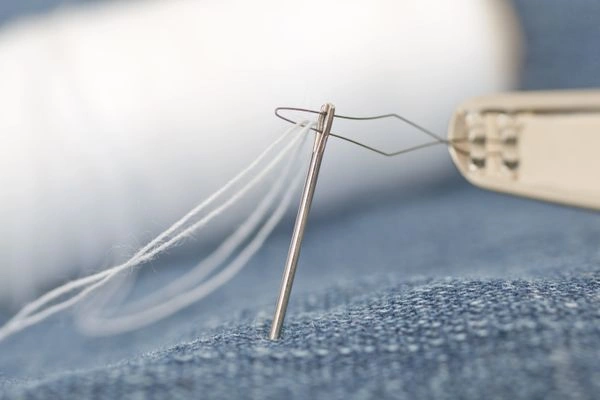 A missing button or a small tear is not the end of a shirt. That is what happened to my white shirt — my mother fixed the collar, and I still wear it. A quick fix takes five minutes and saves you the price of a new one. Most of us already know how to sew a button. We just forget to do it.
4. Try second-hand first.
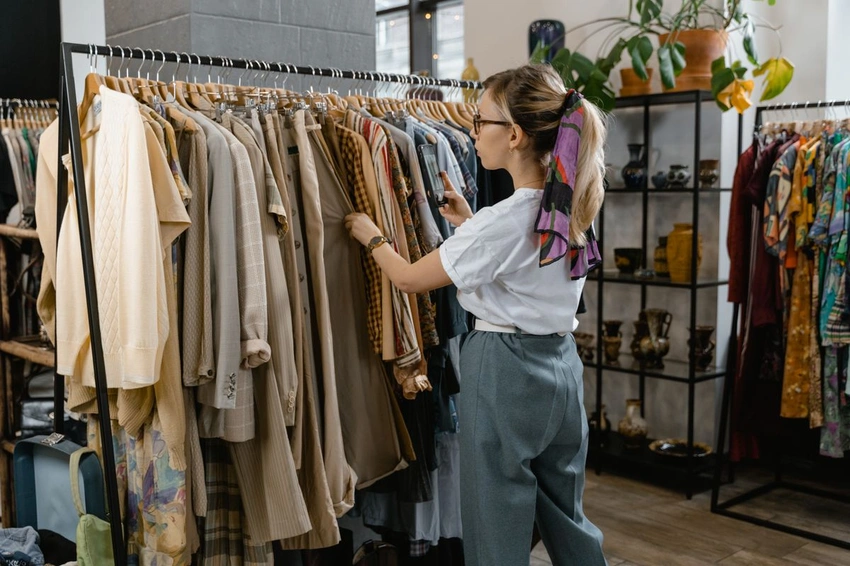
Thrift shops, charity shops and clothes swaps with friends are full of good clothes at low prices. Second-hand does not mean second-best. Some of my favourite pieces came from a swap with a friend.
5. Wash less, wash cold.
Most clothes do not need washing after every wear. Wash them less often, and use cold water when you do. Your clothes will keep their shape and colour for much longer.
A Better Wardrobe Is a Smaller One
Slow fashion is not about chasing trends. It is about building a habit. You do not have to change everything at once. Start small. One less impulse buy. One repaired shirt. One second-hand find.
Your wardrobe gets better. Your money goes further. And the planet gets a break.
That is a good deal for everyone

Login to comment.