Trump Admin Asks SCOTUS to Allow Swift Third-Country Deportations

Trump Admin Asks SCOTUS to Allow Swift Third-Country Deportations
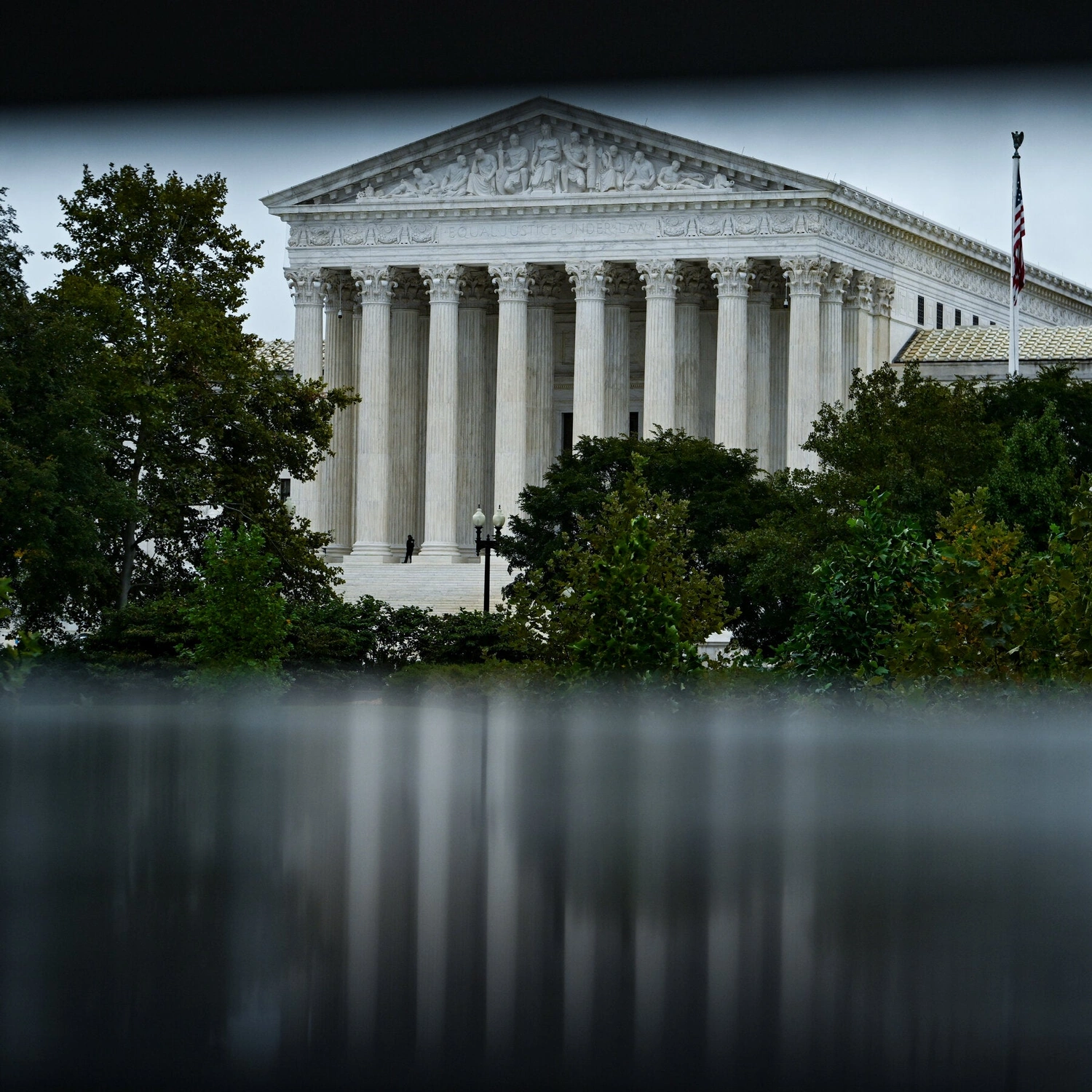
The Trump administration has appealed to the Supreme Court, seeking to overturn a lower court's block on quick deportations to third countries. This move could significantly impact immigration policy and migrant rights.
The Trump administration has made a direct appeal to the Supreme Court, requesting the continuation of its controversial policy that allows for the swift deportation of migrants to countries other than their nation of origin. This urgent request comes after a federal appeals court recently imposed restrictions on the practice.
The administration's move aims to bypass a ruling made by a lower federal court on Wednesday, which had put a temporary halt on these "third-country" deportations. These deportations involve sending asylum seekers to countries like Guatemala, which they passed through on their journey to the U.S., instead of processing their asylum claims within the United States.
Proponents of the administration's policy argue that it is crucial for managing the flow of migrants at the southern border and for deterring what they describe as "unfounded" asylum claims. They maintain that the current system is overwhelmed and that these agreements with third countries are necessary to streamline the process and maintain border security.
However, human rights organizations and immigrant advocates have strongly criticized the policy.
They argue that deporting migrants to third countries, especially those where they may not have strong ties or adequate protections, violates international and domestic asylum laws.
Critics fear that these individuals could face significant danger or further displacement upon arrival in these "safe third countries," which might not be genuinely safe or equipped to handle their needs.
The Supreme Court's decision on this appeal will have far-reaching implications for immigration policy and the rights of asylum seekers. It will determine whether the administration can proceed with its expedited deportation plan, potentially altering the landscape of how the U.S. processes and manages migrants arriving at its borders.
The legal battle highlights the ongoing tension between national security concerns and humanitarian obligations in the realm of immigration.
