Rupee slides toward record lows as RBI defends 91 per dollar

Rupee slides toward record lows as RBI defends 91 per dollar
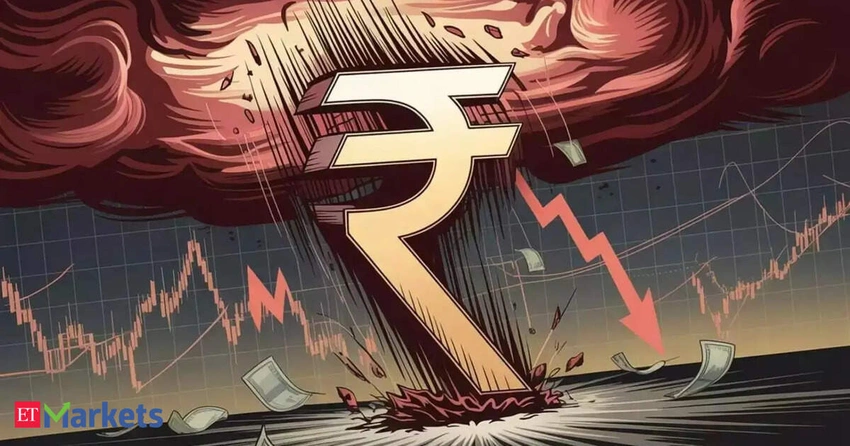
The rupee weakens toward all-time lows amid persistent FPI exits and high yields; RBI steps in with dollar sales to shield the 91/$ level as markets gauge further depreciation.
The Indian rupee weakened to 90.98/$1 on Tuesday, coming close to its all-time low as sustained overseas investor exits from Indian equities and high government bond yields weighed on sentiment. The currency even touched intraday levels around 91.05/$1, with Monday’s close at 90.91/$1 signaling ongoing pressure from foreign fund flows and domestic rate dynamics.
The central bank intervened by selling dollars to protect the 91/$1 level, a move traders described as mild intervention aimed at slowing the pace of depreciation rather than reversing the trend. Sentiment remained fragile, with the rupee hovering near the threshold as the dollar index cooled but remained a key driver of the move.
The dollar index, which tracks the greenback against a basket of currencies, stood at 98.78, down from 99.30 the previous day. A reading below 100 generally signals a softer dollar, yet for the rupee the pull from risk-off in global markets and domestic yields kept the downside intact.
Foreign portfolio investors sold ₹2,938 crores from Indian equities on Tuesday, with January posting outflows of over $2.7 billion across debt and equity, according to NSDL data. Analysts said the day’s intervention was oriented toward managing the pace of depreciation and preserving reserve comfort, given robust dollar demand and the delicate balance of pressures on the exchange rate.
Looking ahead, the rupee is expected to carry a depreciation bias in the near term, with traders penciling in a likely range of 90.70/$1 to 91.20/$1 on Wednesday. The move underscores how global risk appetite, geopolitics, and domestic debt dynamics will continue to shape currency flows in the near term.
Market watchers say the RBI’s approach will likely hinge on trading range management rather than dramatic reversals, with investors bracing for further volatility as inflation, policy outlooks, and global liquidity shifts influence the currency path.
