Gen AI's Dark Side: How Extremists Weaponize It for 'Slop Jihad'

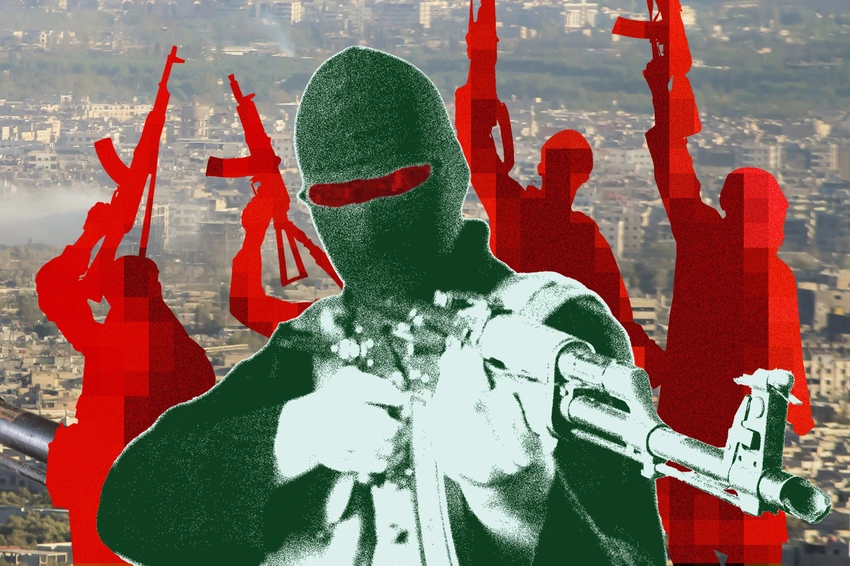
Gen AI's Dark Side: How Extremists Weaponize It for 'Slop Jihad'
A new wave of extremist propaganda, dubbed 'Slop Jihad,' is emerging, powered by generative AI. It's targeting younger audiences on platforms like TikTok, radicalizing through fan edits and memes.
The digital landscape is constantly evolving, and unfortunately, so are the tactics of extremist groups. We're witnessing a disturbing new phase in online radicalization, dubbed “Slop Jihad,” where generative AI tools are being weaponized to craft propaganda for a new generation. It's a fundamental transformation in how extremist messages are disseminated.
Imagine a disturbing video depicting men drowning in a cage, now reproduced as a SpongeBob SquarePants cartoon. Fish in orange jumpsuits, SpongeBob lowering the cage, Squidward filming - this isn't just dark humor; it's a chilling example of “Slop Jihad” reported by the Institute of Strategic Dialogue (ISD).
These fan edits, cartoons, and memes, shared on platforms like TikTok, are designed to make extreme ideologies palatable and even entertaining to younger audiences.
This shift signifies a critical concern for those tracking online threats. The sheer volume and diverse nature of this AI-generated material are overwhelming.
As Adam Hadley, executive director of Tech Against Terrorism, points out,
Highly stylized AI-generated content can make violent Islamist extremist material more accessible to younger audiences while reducing the visibility of conventional terrorist branding.
This means impressionable users might inadvertently encounter glorification of perpetrators through seemingly innocent entertainment.
The danger escalates as engagement with these seemingly harmless pieces can then drive algorithmic recommendations towards more overt and radical propaganda. It's a subtle but insidious pipeline. Extremist groups like ISIS and al-Qaeda have a long history of adapting to new media environments, from early internet forums to the “Alt Jihad” movement, which co-opted alt-right aesthetics.
Generative AI is simply their latest, and perhaps most effective, tool.
It's about a new aesthetic of jihadist propaganda. The casual, meme-friendly format strips away the traditional, often jarring, visual language of extremism, making it blend seamlessly into the typical online content diet of young people.
It's a sophisticated strategy to bypass traditional content moderation by cloaking harmful messages in familiar, popular culture guises.
We need to recognize the profound implications of AI's dark side. The ease with which these tools can generate convincing, shareable content at scale presents an unprecedented challenge. Monitoring and countering this “Slop Jihad” requires not just advanced technological solutions but also a deep understanding of digital culture and how young people consume information.
The battle for online narratives just got a lot more complex, and we're only just beginning to see the full impact.

Login to comment.
No thots yet. Be the first to share your thoughts!