SpaceX Rocket Hits Moon: Is "Lunar Litter" a Growing Cosmic Concern?

SpaceX Rocket Hits Moon: Is "Lunar Litter" a Growing Cosmic Concern?
A massive 4-tonne SpaceX rocket booster crashed into the Moon's Einstein crater after an 18-month journey. Learn about the impact, the search for debris, and the growing debate over space junk. #SpaceX #MoonCrash
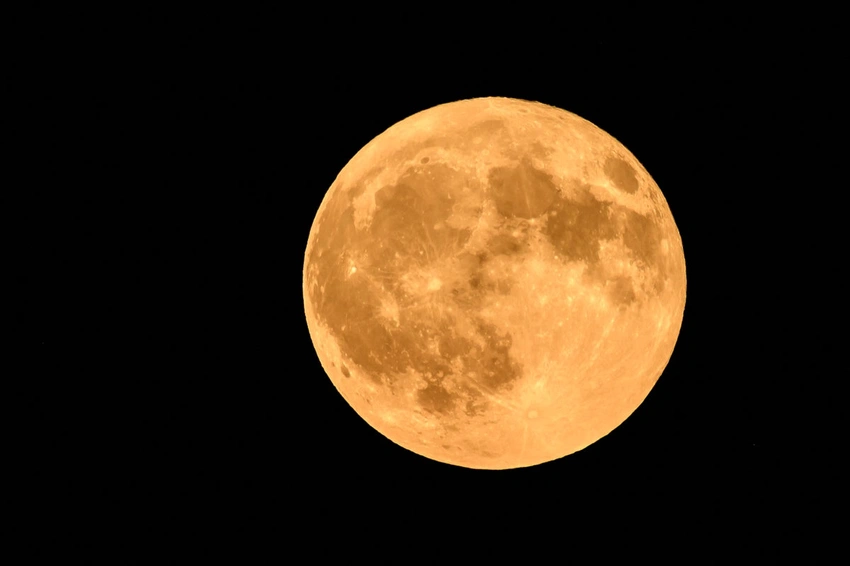
A piece of space history, specifically a four-tonne segment of a SpaceX rocket, has made an unscheduled and dramatic impact on the Moon. After an eighteen-month journey through the vacuum of space, this hefty second stage of the rocket finally met its lunar destination, crashing with considerable force into the western limb of the Moon at the Einstein crater.
The collision, which occurred recently, has immediately drawn attention to the escalating issue of space debris, now being dubbed "lunar litter." While the event itself is a testament to the unpredictable nature of objects in orbit, it also serves as a stark reminder of humanity's growing footprint, not just on Earth, but across the cosmos.
Following the impact, lunar satellites are now actively on standby. Their primary mission: to meticulously document the impact site and thoroughly examine the resulting debris field. Despite widespread interest from both amateur and professional astronomers who pointed their telescopes skyward in anticipation, most reported not detecting the actual impact, highlighting the sheer scale and distance involved in such a celestial event.
In the wake of this cosmic collision, important conversations are already underway. Representatives from NASA and SpaceX are reportedly discussing the implications of such incidents and strategizing on how to mitigate the risk of future impacts. The increasing number of launches and missions means that managing space junk, both in Earth's orbit and potentially around other celestial bodies, is becoming an urgent priority.
The incident not only provides a unique, albeit unintentional, opportunity for scientists to study lunar geology and impact dynamics but also underscores the necessity for more stringent regulations and innovative solutions to address the burgeoning problem of space debris. As our endeavors into space continue to expand, ensuring the long-term sustainability and cleanliness of this new frontier becomes ever more crucial.
