Perseid Meteor Shower 2026: Get Ready for a Dazzling Display!

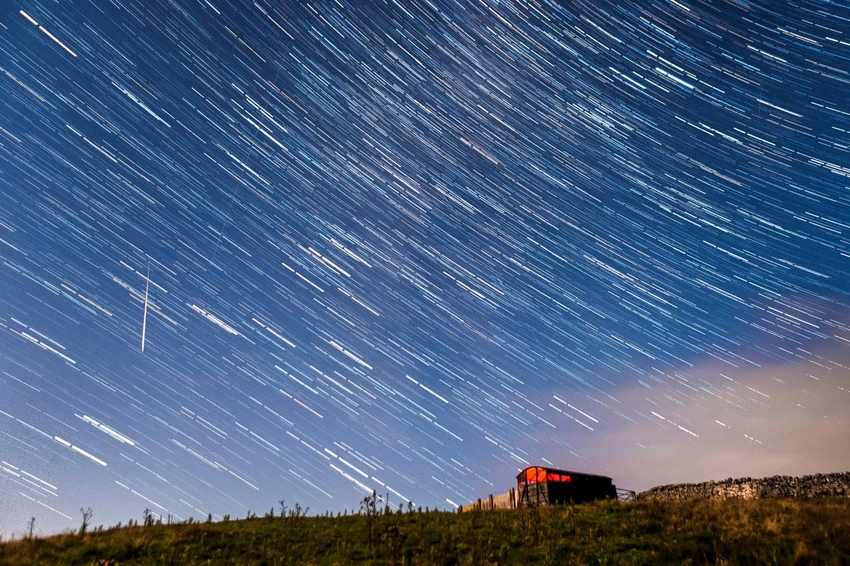
Perseid Meteor Shower 2026: Get Ready for a Dazzling Display!
Mark your calendars for August 2026! The Perseid Meteor Shower is set to deliver an extraordinary celestial show with dark skies promising peak visibility. Don't miss this astronomical event!
Get ready for a spectacular celestial show in August 2026! Astronomy enthusiasts are already buzzing about the Perseid Meteor Shower, which promises to be an exceptionally dazzling event, especially for those in the Northern Hemisphere. Mark your calendars for the night of August 12 and into the early morning of August 13, when the shower is expected to reach its peak.
Meteor showers occur when Earth passes through trails of cosmic debris left behind by comets. As these tiny fragments enter our atmosphere, friction causes them to burn up, creating those breathtaking streaks of light we call meteors.
The Perseids, named because they appear to radiate from the constellation Perseus, are one of the most reliable and intense meteor showers of the year, often boasting up to 100 meteors per hour under ideal viewing conditions.
What makes 2026 particularly special?
The peak of the Perseids will coincide almost perfectly with a new moon phase.
This is fantastic news for stargazers, as a new moon means virtually no moonlight to interfere with your view.
With the sky much darker than usual, observers will have an unparalleled opportunity to witness the meteors' brilliant flashes against a truly black backdrop.
This rare alignment is why experts are calling 2026 an "exceptional year" for Perseid viewing.
To make the most of this incredible natural phenomenon, NASA and the European Space Agency (ESA) offer some key advice. First and foremost, escape light pollution! Head away from city lights to a dark-sky location.
Your eyes will need about 20-30 minutes to fully adjust to the darkness, so be patient. You won't need any special equipment; the Perseids are best enjoyed with the naked eye.
Just lie back, look up, and let your eyes roam across the sky.
While the meteors appear to originate from Perseus, they can flash across any part of the sky.
So, start planning your stargazing adventure now! Whether it's a backyard campout or a trip to a remote wilderness area, preparing for this event will ensure you catch one of nature's most impressive light shows. The Perseids in 2026 are shaping up to be an unforgettable experience for anyone who looks skyward.
