What Cactus Pears Understands About Queer Love That Most Films Don’t

What Cactus Pears Understands About Queer Love That Most Films Don’t
What Cactus Pears Understands About Queer Love That Most Films Don’t
A tender look at the complicated beauty of queer love in India, where ten days of mourning become an unexpected space for desire, memory and possibility.
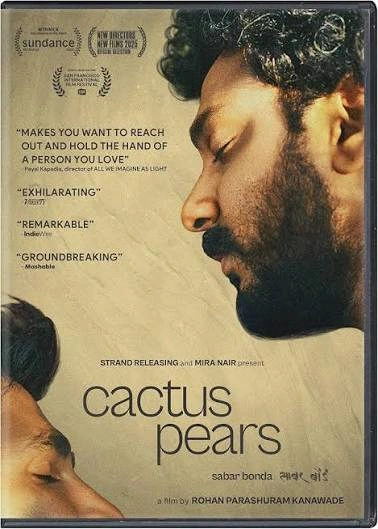
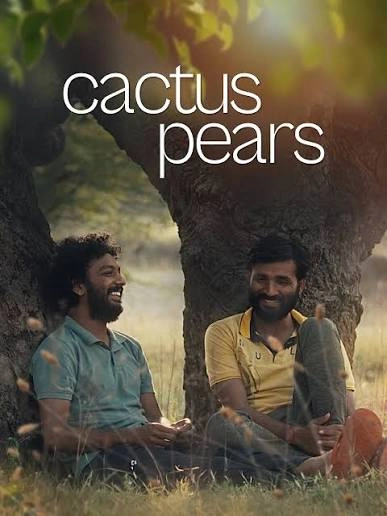
Rohan Kanawade’s Cactus Pears follows Anand, a 30-year-old Mumbai call-centre worker who returns to his village after his father’s death, expecting to spend ten days observing the family’s mourning rituals. Instead, he finds himself back in the orbit of Balya, a childhood friend with whom he has an unfinished history. What follows is technically a romance, but it is also a film about returning somewhere you thought you had outgrown and discovering that the person you left behind has been waiting there too.
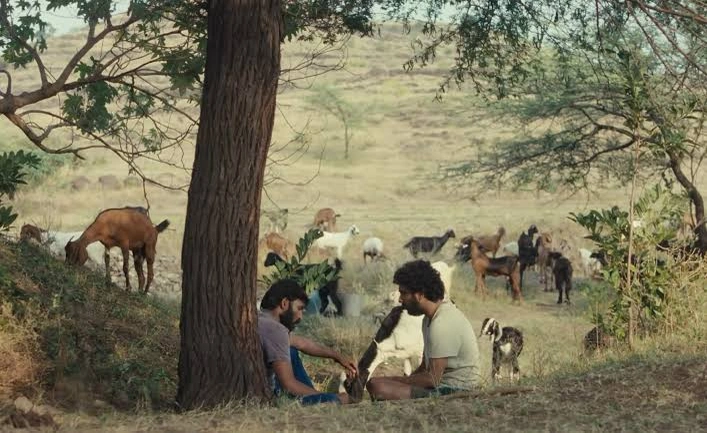
I found myself thinking about how rare that kind of story still feels. Queer cinema can sometimes make desire feel like an event that arrives with a drumroll. Cactus Pears is interested in something much smaller: a look held slightly too long, a hand reaching towards someone's hair, two men sitting together because there is nowhere else they need to be. The film understands that intimacy often happens before anybody has the courage to call it intimacy. You hold hands in the dark before you admit you are lovers.
Ten Days, and a Life Hidden Inside Them
The entire film is structured around Anand's ten-day mourning period, which gives the story an almost cruel little clock. He has to follow the rules of his father's death while simultaneously figuring out what he wants his own life to look like. He is expected to behave according to customs surrounding mourning, while his sexuality remains something his family has carefully explained away.
His mother tells relatives that Anand has remained unmarried because a woman broke his heart. The lie is almost painfully mundane. Nobody needs to announce that Anand is gay because everyone has already constructed another story to make his life legible. His father knew the truth, but that knowledge too remained within the family's carefully maintained silence.
This is one of the things I liked most about the film. There is no enormous confrontation waiting around the corner. Kanawade does not need one. The pressure exists in the everyday rituals themselves. Anand has to sleep on the floor, follow restrictions around food and clothing and participate in customs that remind him exactly where he has returned to. RogerEbert.com 🔗's review points out how the film finds moments of humour in these rules without simply dismissing the traditions that surround Anand. The result feels much closer to life than a dramatic coming-out scene ever could.
The Romance Is in the Hands
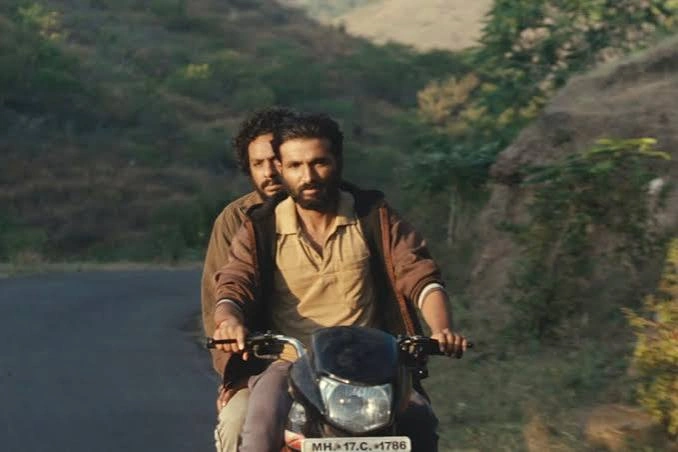
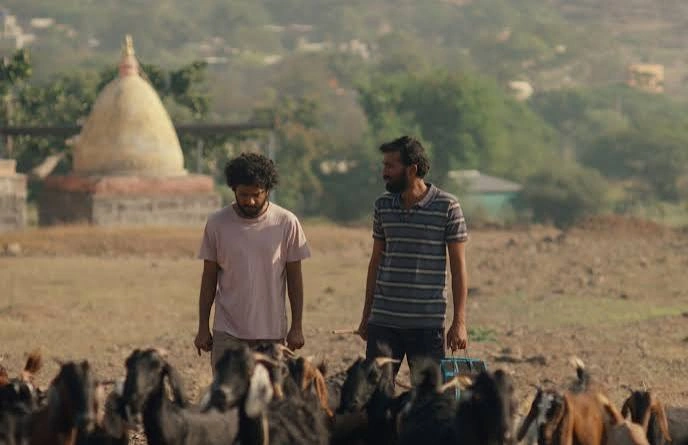
Anand and Balya's relationship is almost entirely communicated through physical hesitation. There is a moment when Balya touches Anand's hair. There are furtive looks and motorcycle rides. There is an embrace in a pond. None of these moments needs a speech explaining what they mean. That restraint is where the film becomes genuinely moving for me.
Kanawade and cinematographer Vikas Urs repeatedly use close-ups and long takes to let these gestures breathe. The camera does not rush towards the next plot point because the gesture itself is the point. When Balya's fingers move through Anand's hair, the scene understands something that many louder romances forget: desire can be incredibly specific. Sometimes love is simply noticing somebody's body when you have spent years pretending you aren't looking.
There is also something beautiful about the fact that both men are trapped by expectations that look different but ultimately lead them towards the same question. Anand has the city as an escape route. Balya has considerably less freedom and faces pressure to marry within his community. Both have been given versions of the life they are supposed to want. Neither seems entirely convinced by it.
Why the Cactus Pear Matters
The title fruit becomes the film's most perfect little metaphor. Balya gives Anand cactus pears with their prickles already removed, a small act of care that feels almost embarrassingly tender. But the gesture also makes the larger irony impossible to miss. You can remove the thorns from the fruit. You cannot simply remove the conditions surrounding these men's lives. I kept thinking about that after the film ended.
For me, Cactus Pears is not ultimately about whether Anand and Balya get to have the kind of romance that films usually promise us. It is about the brief period in which they are able to imagine one. The ten days become their own strange pocket of time, suspended between death and whatever comes afterwards. It understands that queer love does not always arrive as rebellion. Sometimes it looks like returning home, sitting beside someone you have missed and discovering that, for a few days, the life you were told was impossible feels completely ordinary.
That might be the most radical thing about Cactus Pears. It does not ask us to watch Anand and Balya because their love is tragic or forbidden. It asks us to watch because, underneath everything that makes their lives difficult, they are simply two people who want to be close to each other. For a queer Indian film, that ordinariness feels like its own kind of victory.
