Maharashtra Civic Polls Underway: Mumbai Battles for BMC, 29 Corporations

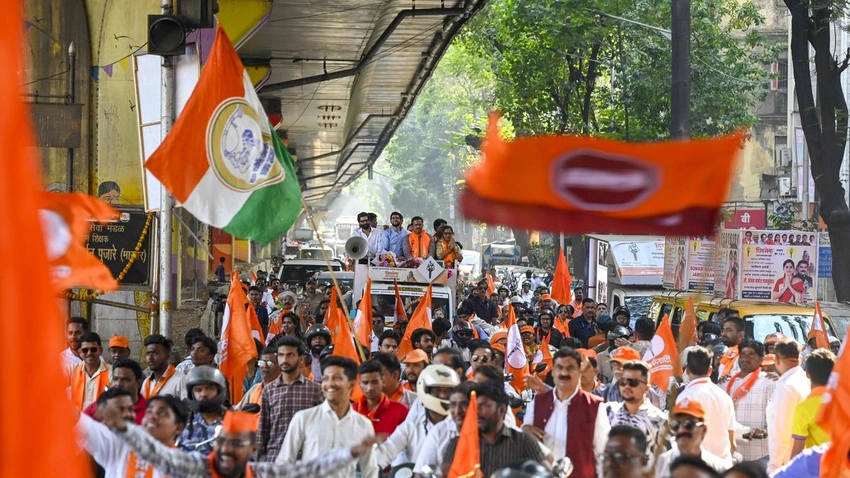
Maharashtra Civic Polls Underway: Mumbai Battles for BMC, 29 Corporations
Voters head to the polls across 29 municipal corporations, with Mumbai at the center as alliances shape this high-stakes civic election.
The Maharashtra civic elections are underway this morning as voters head to the polls for 2,869 seats spread across 893 wards in 29 municipal corporations, with Mumbai’s BMC a focal point of attention. About 3.48 crore voters are eligible to cast ballots, and a total of 15,931 candidates are in the fray, including 1,700 in Mumbai and 1,166 in Pune. Polling runs from 7:30 am to 5:30 pm, and security is tight, with more than 25,000 police personnel deployed to ensure a smooth day at the booths and along the routes to counting centers. Counting is scheduled for January 16, with transparency measures highlighted by officials.
In Mumbai, all eyes are on a tight contest between the BJP-led Mahayuti and the coalition backed by the Thackeray family, which includes MNS and Shiv Sena (UBT). The contest isn’t limited to Mumbai; major corporations like Pimpri-Chinchwad, Vasai-Virar, Kalyan-Dombivli, Nagpur, Solapur, Amravati, and Thane are also in the spotlight as residents weigh issues ranging from redevelopment and water supply to sanitation and local services. Other players such as NCP, Congress, and regional outfits are in the mix, making this one of Maharashtra’s most watched local elections in years.
To boost participation and confidence in the process, the Brihanmumbai Municipal Corporation said that distribution of EVMs and other election materials was completed at 23 divisional centers across the metropolis. Each counting center has been equipped with secure strong rooms for the custody of election materials, and authorities have set up pink booths and selfie points along with media facilitation centers to encourage voter participation and transparency.
Beyond the political rhetoric, voters are signaling a desire for practical solutions: better air quality management, improved traffic flow, pothole-free roads, and reliable water supply. The outcome in Mumbai is often seen as a broader test of governance and how effectively alliances translate into local policy. In addition, a phased counting plan—focusing on two wards at the outset—has been adopted to streamline the process, a newer approach compared with 2017, with results anticipated on January 16.
As the city votes, the question remains: will the incumbents retain ground, or will new coalitions reshape local governance across these 29 municipalities? The answer will unfold in the days ahead as officials release results and communities watch how promises translate into action.
