When Billionaires Crash: Why We Secretly Love It

From celebrity scandals to executive mishaps, there’s a strange satisfaction when the mighty fall. Explore the psychology of schadenfreude, fairness, and societal resentment toward extreme wealth.
When Billionaires Crash: Why We Secretly Love It
Walk into any social gathering, scroll through your feed, or glance at the newsstands, and you'll find a recurring theme: the downfall of the powerful. From high-profile celebrity scandals to the spectacular collapse of tech titans, there's an undeniable fascination, even a quiet glee, when the ultra-rich stumble. It's a deep-seated psychological phenomenon that reveals much about our collective values and anxieties.

The Sweet Sting of Schadenfreude
The German term 'schadenfreude' perfectly captures this complex emotion-joy derived from another's misfortune. While it might feel a little guilty, it's profoundly human. When those who seem to have everything-unlimited wealth, privilege, and influence-experience a public setback, it can trigger a surge of satisfaction.
It's a momentary leveling of the playing field, a reminder that no one is truly immune to failure or embarrassment.
This isn't necessarily malicious. Sometimes, it's simply a relief to see that even the most 'perfect' lives aren't without their flaws and struggles. It grounds us, reinforcing our shared humanity even across vast economic divides.

Justice Served? Or Just Jealousy?
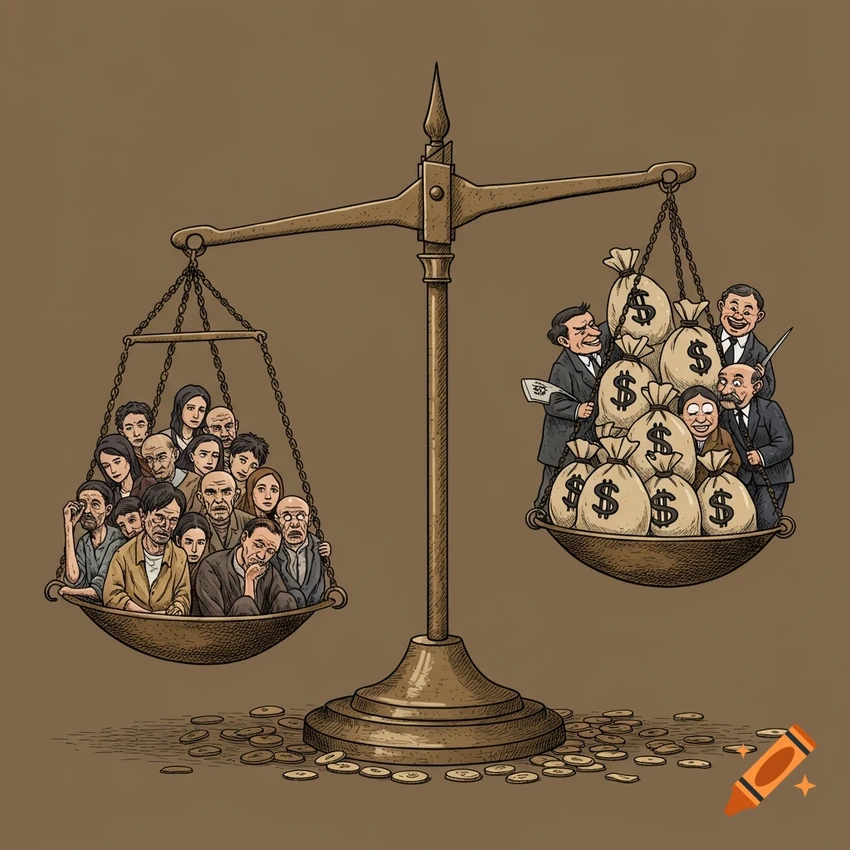
Beyond pure schadenfreude, a powerful sense of fairness often fuels our interest. Society frequently perceives extreme wealth as unearned, ill-gotten, or maintained through unfair advantages. When a wealthy individual faces legal trouble, business failure, or a public shaming, it can feel like a form of cosmic justice.
This desire for equilibrium is potent. We yearn for a world where effort is rewarded and misdeeds are punished, regardless of status.
There's a universal yearning for balance, and when the scales seem perpetually tipped, any shift feels profoundly right,
says social psychologist Dr.
Evelyn Reed.
It's often a deep-seated craving for equity in a world that often feels anything but fair.
The Human Factor
Another reason we're captivated is simple relatability. For all their private jets and sprawling mansions, when a rich person fails, they become, for a moment, just like us. They make mistakes, they face consequences, they navigate public scrutiny.
This humanizes them in a way their curated, aspirational images rarely do.
Their failings can offer a perverse kind of comfort-if someone with all those resources can still mess up, then perhaps our own struggles aren't so bad.
It’s a subtle affirmation of our own journey, reminding us that life is inherently imperfect for everyone.

Why Do We Keep Watching?
Our fascination with the falls of the rich is a nuanced tapestry of emotions. It's schadenfreude, a craving for justice, an affirmation of our shared humanity, and perhaps a subtle rebellion against the oppressive shine of unattainable perfection.
While it's easy to dismiss it as mere gossip, our engagement with these stories offers a window into our collective conscience-a desire for fairness, accountability, and the ever-present drama of the human condition.
It's a reminder that even at the very top, gravity still works.
