Beirut under fire as Israel broadens strikes into Lebanon's south

Beirut under fire as Israel broadens strikes into Lebanon's south
Beirut and southern Lebanon face intensified Israeli strikes as regional tensions rise and Hezbollah remains a key player.
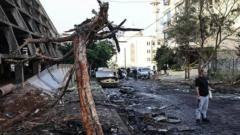
Beirut and southern Lebanon have seen a renewed wave of Israeli air strikes this week, expanding operations into areas outside Hezbollah's direct control. Overnight, a vehicle in the Mansourieh district, a mainly Christian neighborhood north of Beirut, came under fire, while the Jnah district in central Beirut was hit after midnight. In the south, strikes targeted areas where Hezbollah has a strong presence, with a health facility hit and a paramedic killed, according to the health ministry. The al-Zahraa Hospital in Beirut reported treating several injured people as nights of loud explosions rattled the city. Residents described a sense of fear and displacement, with some sleeping in the open as evacuation orders and warnings ripple through neighborhoods.
Across the country, the authorities say Hezbollah infrastructure has been hit, and they have announced the killing of senior Hezbollah figures as part of the campaign. Hezbollah entered the regional conflict on 2 March, firing missiles toward Israel after the US and Israel attacked Iran on 28 February; Israeli forces say their campaign is aimed at curbing the group's operations. In the south, Israeli troops have moved deeper into Lebanon, with the Dahieh district and other border towns experiencing bombardment. The highway toward Beirut's airport was damaged by a strike described by officials as a consequence of evacuation orders. On the political front, officials in Tel Aviv have signaled plans to maintain a buffer zone in southern Lebanon even after the current conflict ends, and there is mention of demolishing houses in Lebanese villages near the border. The mounting toll has raised concerns about the humanitarian impact on thousands of residents who have already fled long-standing clashes and displacement, as regional powers watch closely and calls for de-escalation grow louder.
As the fighting shows little sign of abating, international observers stress the need for humanitarian corridors and a path toward de-escalation, even as both sides assess next moves in an increasingly volatile frontline.
