IBM Unveils Sub-1nm Chip: The Future of Computing Just Got Tiny! 🤯

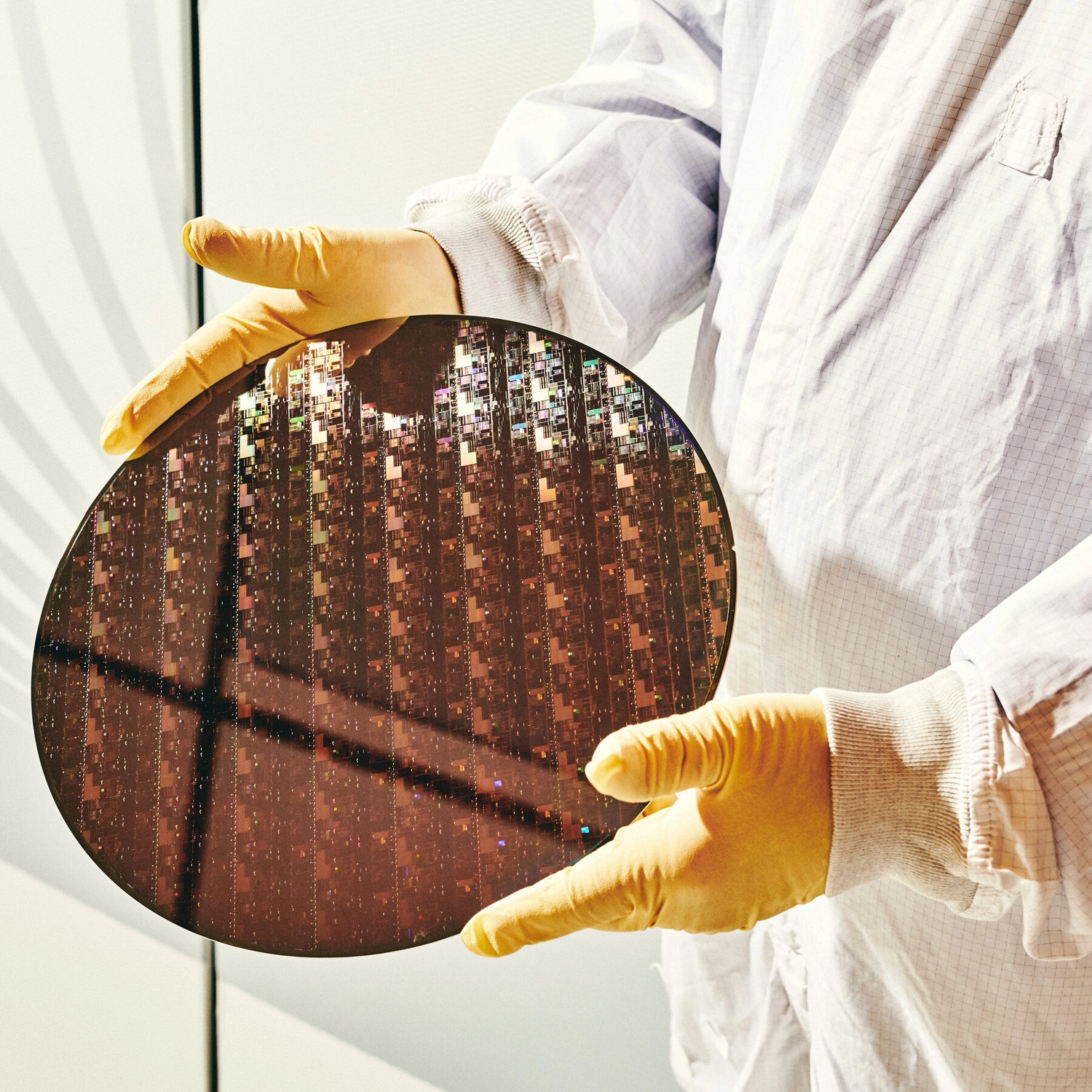
IBM Unveils Sub-1nm Chip: The Future of Computing Just Got Tiny! 🤯
IBM shatters limits with the world's first sub-1 nanometer chip technology! Discover how this breakthrough could revolutionize AI, smartphones, and all future electronics. #TechInnovation #FutureComputing
Transistors, the tiny switches that form the foundation of all silicon chips, are the unsung heroes powering our modern world. From the smartphone in your pocket to the complex data centers driving AI and online banking, their continuous miniaturization has been key to technological advancement. For decades, this progress has largely adhered to Moore's Law, which predicted a doubling of transistors on a chip every two years, leading to ever more powerful and compact devices. However, with billions of transistors already packed onto current chips, sustaining this pace has become an increasingly daunting challenge, leading many experts to believe the limits of miniaturization were near.
Now, IBM has announced a monumental leap forward, unveiling what it hails as the world's first known chip technology below 1 nanometer. This groundbreaking "block of flats" design breakthrough represents a significant re-imagining of how transistors can be arranged, paving the way for a new era of computing power and efficiency. This achievement pushes the boundaries of what was previously thought possible, offering a glimpse into the next generation of semiconductors.
The implications of such a development are vast. Smaller, more powerful chips mean more capable devices across the board. Imagine smartphones with unprecedented processing capabilities, laptops that are even more energy-efficient, and data centers that can handle the growing demands of artificial intelligence and complex data processing with greater speed and less power consumption. This innovation is crucial for powering the ongoing generative AI boom and countless other digital activities that rely on robust computing infrastructure.
While this sub-1 nanometer technology is a significant scientific and engineering triumph, it's important to note that it will be some time before it's ready for mass production. The journey from lab breakthrough to commercially viable product often involves extensive testing, refinement, and scaling manufacturing processes. Nevertheless, IBM's announcement offers a renewed sense of optimism for the future of microelectronics, suggesting that the pace of innovation, while challenging, is far from over. This breakthrough rekindles the spirit of Moore's Law, proving that human ingenuity can still find ways to defy perceived limits.
