Why We Can't Just Replace 20 Million Barrels Of Oil Overnight

Why We Can't Just Replace 20 Million Barrels Of Oil Overnight
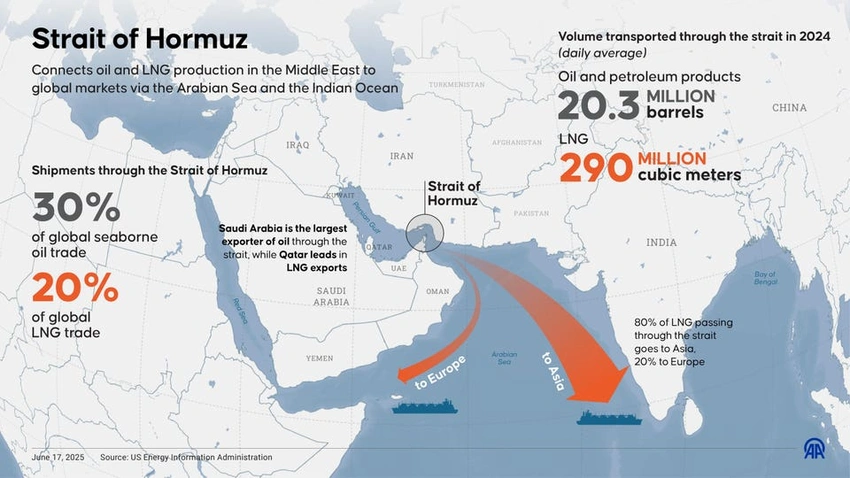
Over 20 million barrels of oil and LNG pass through the Strait of Hormuz daily. Here is why the math on finding quick replacements simply does not add up for global energy security.
Imagine waking up tomorrow and finding out a massive chunk of the global energy supply has simply vanished. This is exactly the nightmare scenario experts dread when they look at the Strait of Hormuz. Every single day, more than 20 million barrels of oil and liquefied natural gas flow through this narrow waterway. It is the beating heart of global energy logistics.
But what happens if that flow stops? We often hear promises about rapid energy independence and quick pivot strategies. The truth is much harsher. The math of quickly replacing 20 million barrels a day simply does not add up.
The Illusion of the Quick Fix
When a supply chain crisis hits, there is a natural urge to look for immediate solutions. Just pump more from somewhere else, right? Unfortunately, the global energy grid is not a giant spigot you can just turn up on a whim. Replacing that volume of oil and gas requires infrastructure that takes years to build. We are talking about massive pipelines, complex refineries, and fleets of specialized tankers.
Here is why a short-term replacement is nearly impossible: * Maxed out capacities: Most alternative oil-producing regions are already pumping near their maximum sustainable limits. * Logistical nightmares: Even if we magically found an extra 20 million barrels daily, rerouting global shipping overnight would create total chaos at ports worldwide. * Economic shockwaves: The sudden scramble for alternative energy sources would send prices skyrocketing, hitting consumers directly at the gas pump and the grocery store.
What This Means for Energy Security
True energy security is not about having a backup generator. It is about deeply diversifying our sources over decades. While the push for renewable energy is crucial for our future, we cannot pretend wind and solar can plug a 20-million-barrel hole by next Tuesday. Similarly, opening up a few new domestic drilling sites will not instantly replace the immense volume moving through the Middle East.
We have to respect the complex math of global energy. Instead of banking on unrealistic quick fixes, we need serious conversations about long-term resilience, strategic reserves, and gradual diversification. Until then, we remain heavily reliant on a few narrow straits, crossing our fingers that the flow never stops.
