Beyond Netflix and Narcos: The Real Rise of Mexico's Cartels

Beyond Netflix and Narcos: The Real Rise of Mexico's Cartels
A deep dive into how Mexican cartels evolved from smugglers to global empires, reshaping routes and violence long after El Mencho's death.
Mexico's cartel story is often reduced to dramatic headlines and Netflix mythologies, but the real history runs deeper. The rise of Mexican cartels began when groups connected to Colombian cocaine networks built a distribution spine for decades, turning trafficking into a global empire. Figures such as Miguel Angel Felix Gallardo and the era of the Guadalajara cartel laid down a system that could outlive individual leaders and outmaneuver rivals. The aftermath of 9/11, shifts in law enforcement, and the push toward synthetic drugs helped reshape routes and expand the business in ways that were not entirely personal or charismatic, but structural and enduring.
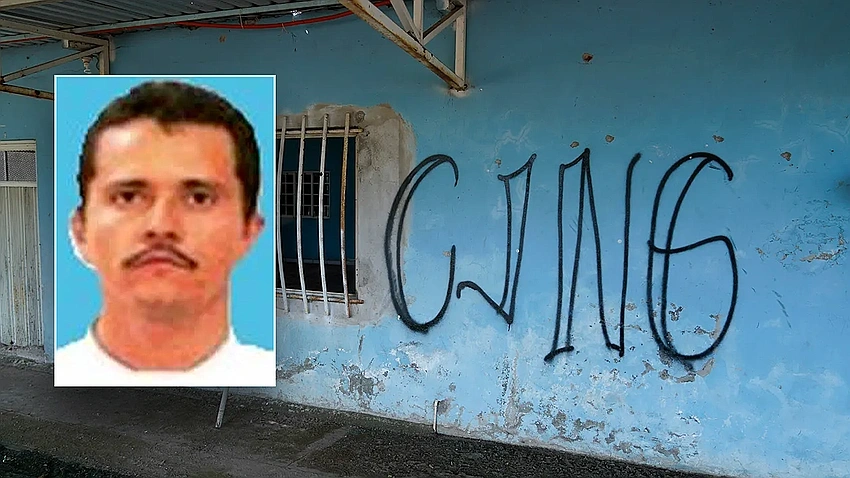
Even after high-profile arrests and the death of a leader like El Mencho, power does not crumble. Instead, the framework—territory, supply chains, corruption, and militarized violence—adapts and regenerates, producing new successors and new business models. In other words, cartel influence in Mexico is less about a single figure than a pervasive system that thrives on demand and fear, spreading across borders.
On the ground in places like Culiacan, residents live with the consequences of this war economy: disruptions in daily life, random violence, and a justice system stretched thin. The violence is not a single plot point but a sustained pattern that shapes everyday choices, from schooling to business to travel.
Analysts say understanding the history helps explain current headlines and point to the long, difficult work required to disrupt networks. If the system remains structural, solutions will need to target demand, supply chains, and governance as much as they target individual couriers, brokers, or bosses. The next chapter, as the authors suggest, may be another transition rather than a final ending.
